
Last updated November 15, 2026
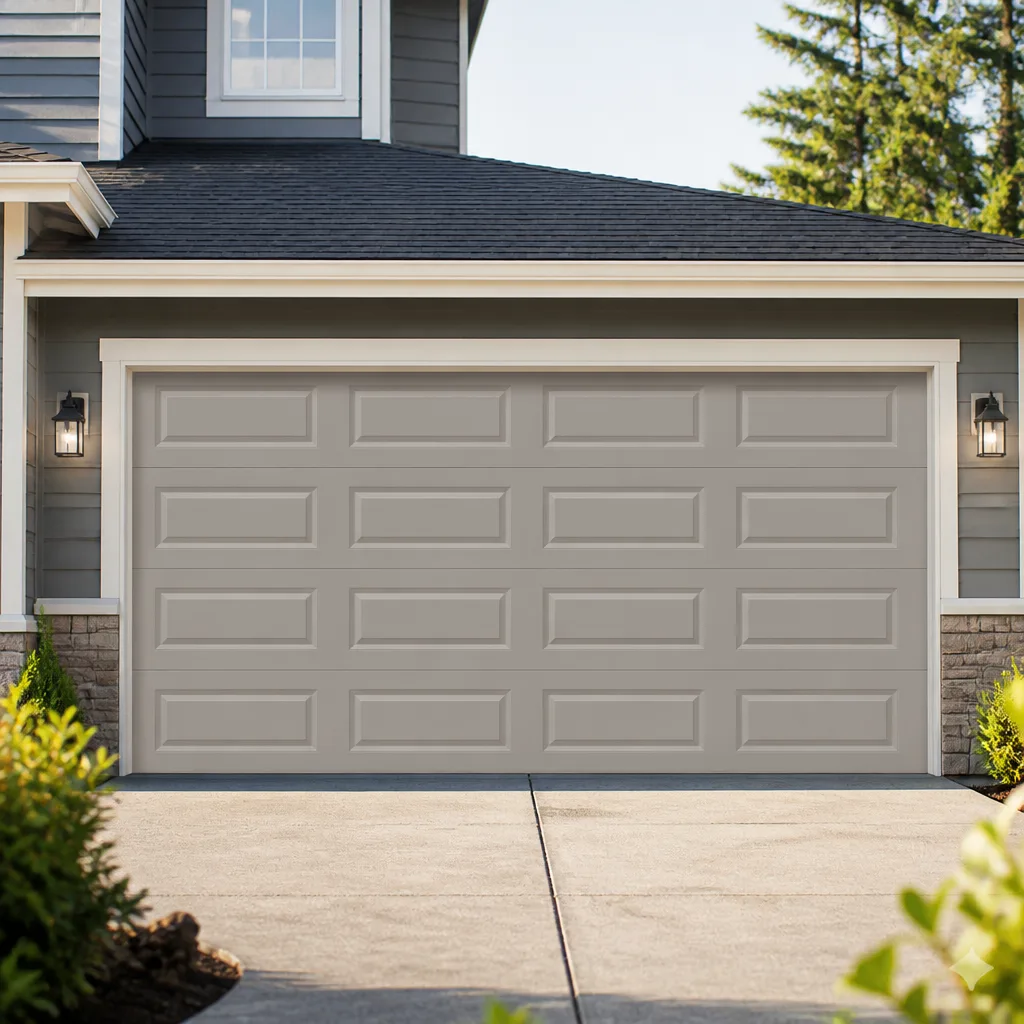 Raised-panel steel
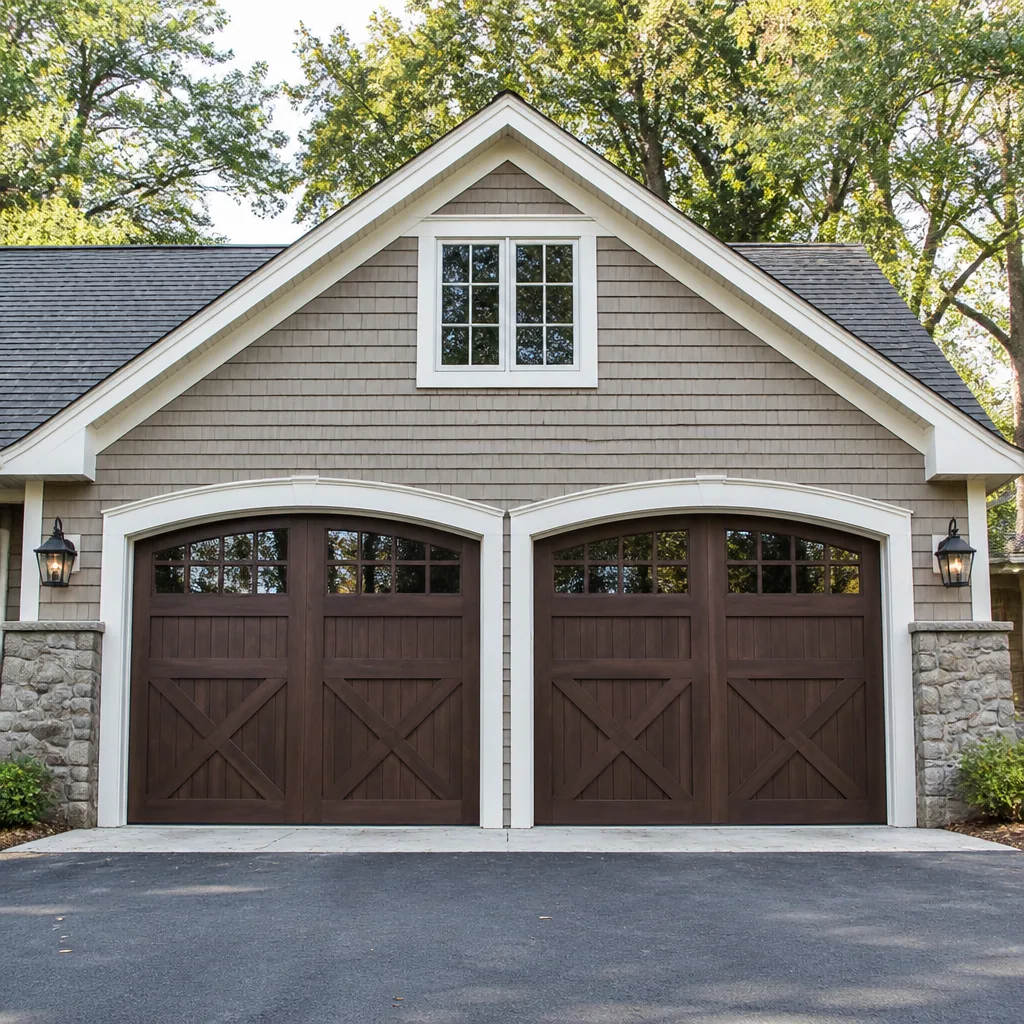 Carriage house
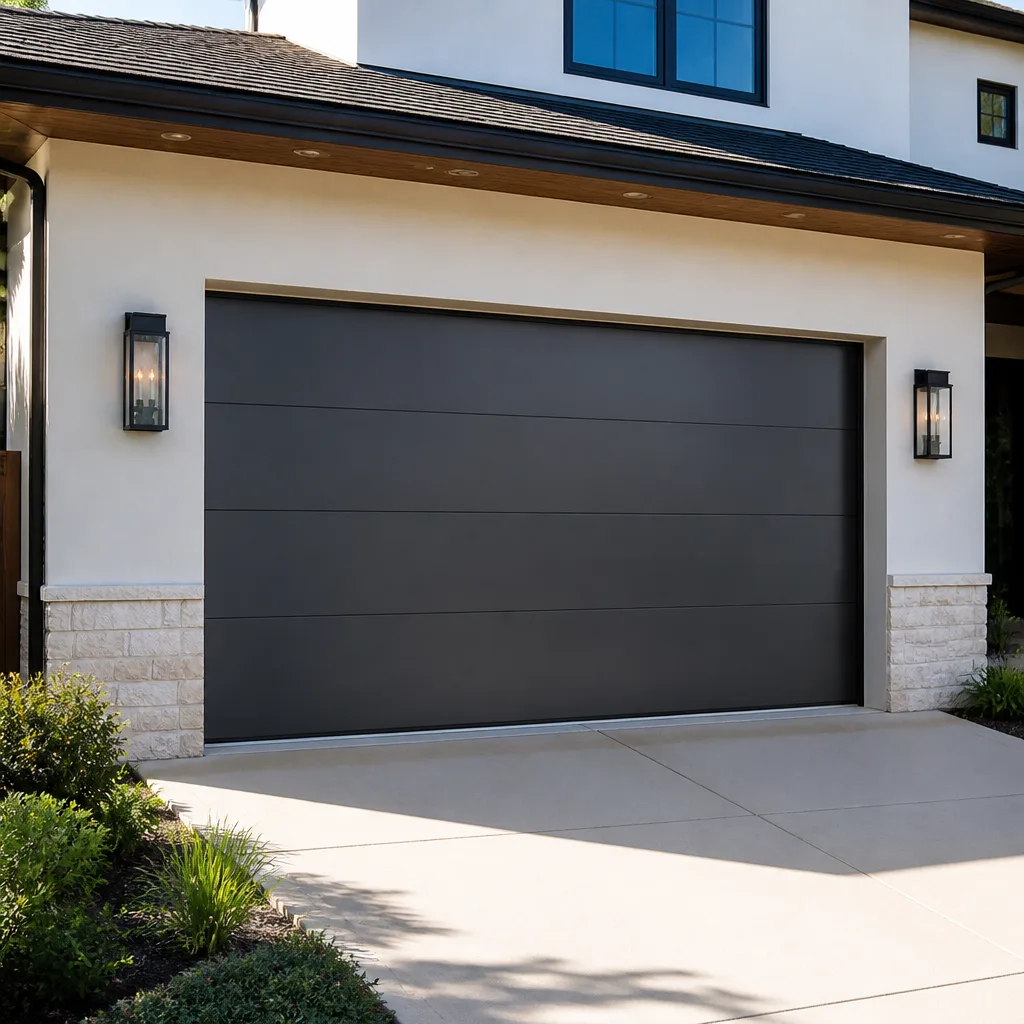 Modern flush
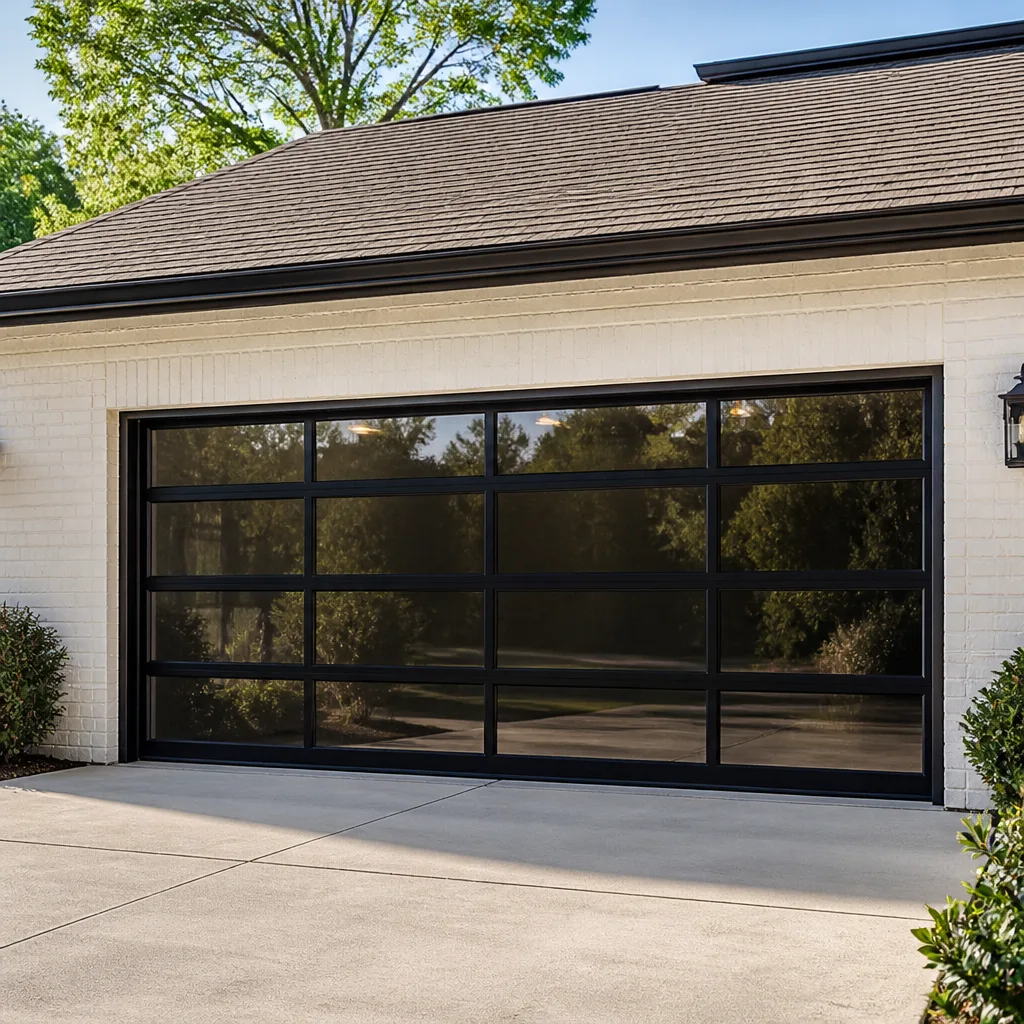 Full-view glass
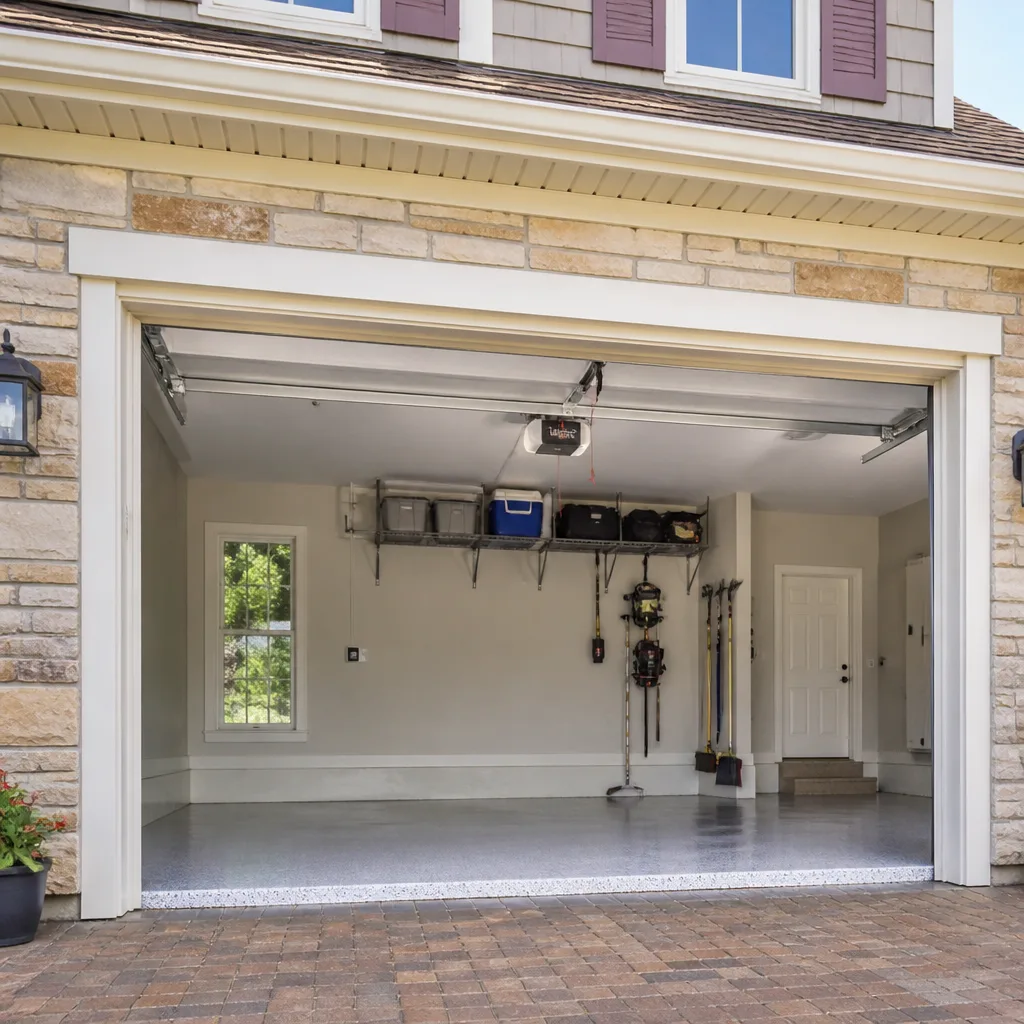 LiftMaster openers
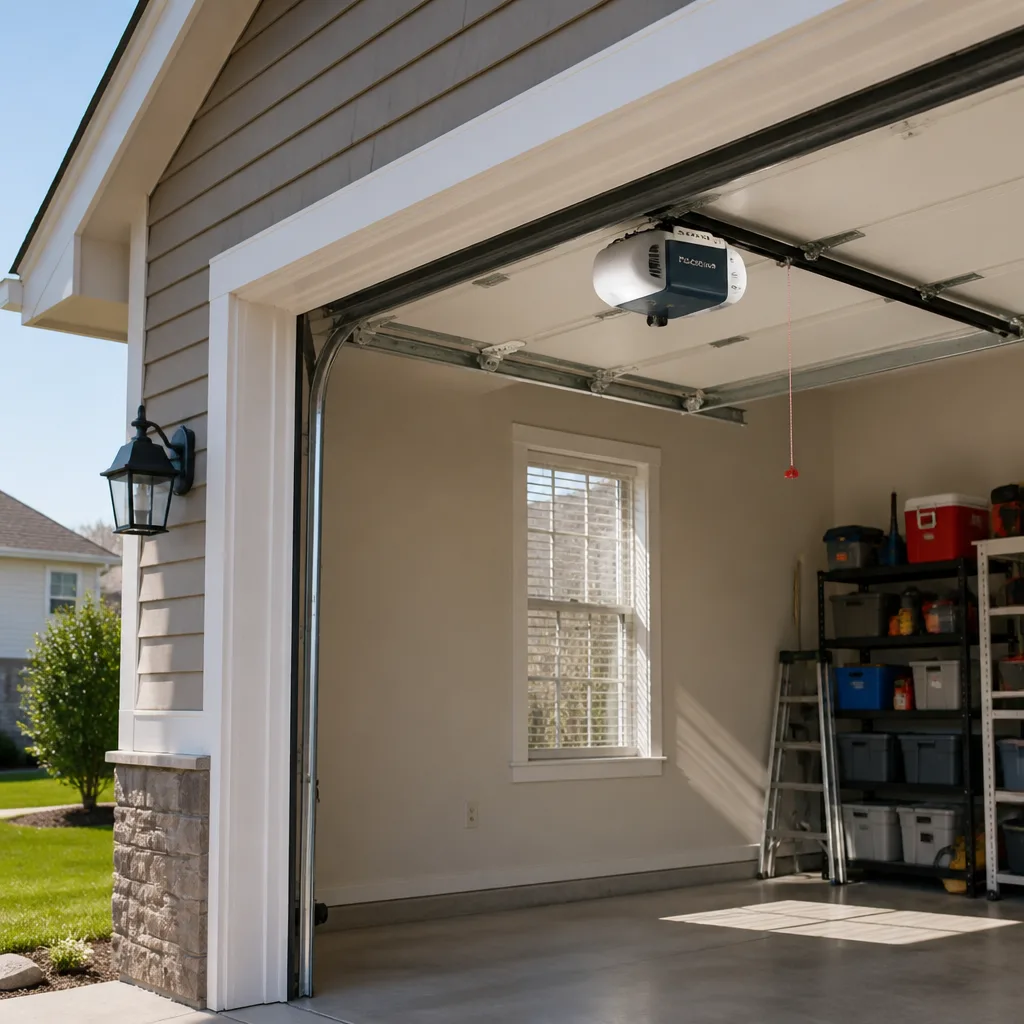 Chamberlain openers
Full 25-point door and opener safety check with every visit - springs, cables, rollers, tracks, and your LiftMaster or Chamberlain opener included
You get a price before we start. It does not change when the pro arrives.
Get your free estimateGarage Door Warning Signs: A Santa Maria Homeowner’s Reference Guide
A garage door that hesitates for two seconds before closing isn’t “just getting old.” More often it’s a specific sensor alignment or force setting issue that takes ten minutes to correct, and left alone it becomes a door that won’t close at all. Here’s the part most checklists miss: the same grinding noise coming from a chain-drive LiftMaster and a screw-drive Genie points to entirely different failures. Read one, treat the other the same way, and you misdiagnose the problem. This reference guide pairs each warning sign with the brand context behind it, separates cosmetic quirks from genuine safety flags, and tells you which symptoms let you keep using the door in Santa Maria and which mean stop today.
Quick Answer
Most garage door warning signs fall into two categories: mechanical (noise, movement, visible wear on the door itself) and control-related (opener hesitation, reversal, remote lag). Mechanical sounds that repeat and worsen usually mean worn rollers, dry hinges, or a failing spring; opener behavior that changes usually means a logic board, sensor, or force-setting problem, not a door problem. Any sign of a frayed cable, a bent track, a door that hangs crooked, or a spring that has visibly broken means stop operating the door and call a professional.
Styles & brands we work with
- Raised-panel steel
- Carriage house
- Modern flush
- Full-view glass
- LiftMaster openers
- Chamberlain openers
Table of Contents
- Sound-Based Diagnosis: What Each Noise Tells You
- Visual Signs You Can Spot From the Driveway
- Opener Behavior: A Different Problem Category
- Warning Signs That Mean Stop Using the Door Today
- Warning Signs That Allow Days of Safe Use
- Seasonal Patterns in Santa Maria
- Why Brand Context Matters for Diagnosis
- A Simple Monthly Check Any Homeowner Can Do
Sound-Based Diagnosis: What Each Noise Tells You
Sound is the first warning sign most homeowners notice, and the easiest to misread. A grinding door is not automatically a failing opener, and a squealing door is not automatically a lubrication problem. What matters is where the sound comes from and what kind of opener is driving the door. Here’s how we map the four most common sounds to their likely sources:
- Grinding. On a chain-drive opener like many LiftMaster units, grinding usually traces to a dry or worn chain, a loose chain tension, or a sprocket wearing at the teeth. On a screw-drive Genie, the same grinding sound more often comes from a worn trolley or a dry screw rail. Same symptom, different repair.
- Squealing. Metal-on-metal squeal is most often worn rollers, dry hinges, or a torsion tube that needs lubrication at the bearing plates. It escalates slowly and rarely means the door is about to fail.
- Popping. A single loud pop or a series of pops during travel is a serious flag. It can mean a torsion spring is about to break, a hinge is pulling loose, or a panel is beginning to crack at the section joint. Popping deserves a professional look before the next use.
- Rattling. Loose bolts, worn nylon rollers, or a door that has drifted out of alignment usually cause rattling. It’s often cosmetic but worth tightening before it becomes a panel stress point.
If your door is making any of these sounds and you haven’t had it looked at, this is the point where a diagnostic visit pays for itself. Our Halo Garage Door Repair team diagnoses the sound at the source rather than guessing at a fix, and that keeps you from replacing a part that wasn’t the problem. In Santa Maria’s dry spring months, dust working into rollers and hinges makes squealing far more common than it is after the marine layer rolls back in.
Visual Signs You Can Spot From the Driveway
Before you ever touch the door, a slow walk around the outside of it will tell you plenty. Look for these visual flags, in order of urgency:
- A door that hangs crooked or one side lower than the other. This is a balance problem, and it’s almost always a spring, cable, or drum issue. Stop using the door and call a professional.
- Frayed or kinked cables on either side of the door. Cables are under extreme tension and are one of the most dangerous parts of the system. A single broken strand is reason enough to stop.
- Visible cracks or bends in a panel. On a Clopay or Amarr steel door, a bent bottom section is common after a minor impact. A crack that travels through a panel is a stress flag and can affect how the door seals.
- Track that’s out of line or has a visible gap at a joint. Roller stress follows fast. A bent track stresses the roller and can pull the door out of its plane.
- Daylight showing around the perimeter of a closed door. This is a weather seal problem more than a safety problem, but in Santa Maria’s dusty late summer it also lets grit in around the bottom seal.
- Rust streaks at the bottom section or hinges. Not a safety issue by itself, but it usually means the door needs lubrication and paint attention before the next dry season.
Visible cable damage is the one visual flag that should always be treated as urgent. If you see a frayed cable on a Clopay or Wayne Dalton door, stop operating it and call before the next use. Frayed cables fail without warning.
Opener Behavior: A Different Problem Category
Opener symptoms tell you about a different system than mechanical door symptoms. When a door gets noisy, you’re looking at the door. When an opener hesitates, reverses, or loses remote range, you’re looking at electronics, sensors, or force settings, and the door itself may be perfectly fine. This is exactly the split we treat as garage door opener repair rather than door repair, because the fix belongs to the opener, not the panels or tracks.
The most common opener warning signs, and what they usually mean:
- Hesitation before moving. Often a force setting, a capacitor beginning to fail, or a logic board not getting a clean signal. On a Chamberlain or LiftMaster, it can also be a travel-limit switch that needs re-set.
- Reversal when closing. Almost always a safety-sensor problem. Sensors knocked out of alignment, dust on the lens, or a sun-strike on the receiving sensor will all cause this.
- Remote lag or shortened range. A weak battery, radio interference, or a worn receiver in the opener. On older Craftsman openers, a tired receiver is a common cause of dropping remotes.
- Opener runs but door doesn’t move. Usually a stripped gear, a broken drive belt, or a trolley that’s come off the rail. This is an opener-side fix, not a door-side fix.
- Random partial opening or closing. Logic board, travel limits, or a stuck wall control. Needs a trained eye and a diagnostic.
One thing to note: because opener behavior is a separate category, a door that reverses doesn’t mean you need a new door. It usually means you need a sensor realigned or a board checked. Our technicians have up to 15 years of experience with the electronics and drive systems on the major opener brands, and we call the problem what it is instead of defaulting to a replacement quote.
Warning Signs That Mean Stop Using the Door Today
Some warning signs are “watch it and call within the week.” Others are “stop and call now.” These belong in the second group:
- A visibly broken torsion spring (the door feels extremely heavy and won’t lift more than a foot, or you hear a loud bang and the door won’t move at all).
- A frayed or kinked cable. Cables are under extreme tension and can whip loose. Do not touch them. Do not operate the door.
- A door that hangs crooked or drops on one side. The system is unbalanced, and continuing to run the opener puts dangerous load on the remaining spring.
- A door that free-falls or drops when the opener is released. The counterbalance has failed. This is unsafe for anyone nearby.
- A bent or broken track with a roller out of the channel. The door can leave the track and come down.
- Popping or snapping sounds that repeat during travel. Usually signals a spring about to fail or a hinge pulling loose.
Springs and cables are dangerous parts of the system with very high stored tension. We handle those with proper tooling and safety procedures; we don’t recommend homeowners adjust or replace them. If you suspect a spring or cable is compromised, stop operating the door and call. We answer 24/7. A call outside dispatch hours is booked into the next opening, Sunday through Friday, 7am to 7pm. Fast dispatch, 7am-7pm, gets a technician to a compromised door quickly.
Warning Signs That Allow Days of Safe Use
Not every flag is urgent. These symptoms give you time to schedule a visit without fear of a sudden failure:
- Squealing or mild rattling. Usually lubrication and tightening. Keep using the door and get it booked within a week or two.
- Slow opener response. Annoying, but not a safety risk in itself. Force settings and remotes can wait a few days.
- Cosmetic rust on the bottom section. A weather-seal and paint issue. Not a hazard.
- Daylight around the door perimeter. Seal replacement territory. Garage stays drier once it’s done, but the door isn’t a safety risk.
- Occasional remote lag. Battery or interference. Swap the battery; if it continues, book a diagnostic.
- Rattling over a single hinge. Loose fastener. Tighten it and check again in a week.
Nothing on this list is a reason to stop using the door. But if two or three appear at once, book a visit sooner. Small wear compounds in Santa Maria’s dry months, and a two-symptom issue usually takes a ten-minute adjustment rather than a full repair.
Seasonal Patterns in Santa Maria
Warning signs cluster into two seasonal profiles in Santa Maria, and knowing which one you’re in helps you predict what’s likely to fail next.
During the dry, windy stretch from late spring through early fall, dust and grit work into rollers, hinges, and the opener’s chain or screw rail. Squealing, rattling, and short remote range are the most common complaints from Santa Maria homeowners in those months. The dry air also tightens wood door panels slightly, which can show as panel gaps and light popping at section joints. Most of this is lubrication, tightening, and seal attention rather than repair.
During the marine-layer months, the door spends more time running in cooler, damper air. Track alignment issues become more noticeable because the door’s balance can shift slightly with temperature; the opener’s force settings can feel marginal on the first few cycles of the morning until things warm up. Steel doors with older weather seals will also show more moisture inside the garage. Neither pattern is dramatic, but both point to running a check every couple of months rather than once a year.
Santa Maria’s wind season is also when loose hardware on older doors and gates in neighborhoods like Orcutt and the East Main corridor starts to rattle noticeably. Tightening bolts in the fall prevents the looser rattling we see more of by late winter. Our Vandenberg AFB area neighbors see the same pattern, and it’s worth the ten minutes once a season.
Why Brand Context Matters for Diagnosis
The same symptom doesn’t mean the same fix across brands, and that’s the whole reason this guide exists. Here’s how brand context changes the diagnosis:
- Chain drive vs. screw drive. A grinding noise on a LiftMaster chain-drive opener usually points to the chain, sprocket, or tension. The same sound on a Genie screw-drive points to the trolley or a dry screw rail. Different part, different fix, different cost.
- Rubber belt drives. A Chamberlain belt-drive is quiet by design. When it starts rattling, the belt or the tensioner is the usual culprit, and the fix is narrower than it would be on a chain drive.
- Wall-mount and smart openers. Smart openers from LiftMaster and Chamberlain add connectivity and sensor logic that generalist technicians often skip. Opener specialists check the logic board, the sensor alignment, and the app pairing together rather than replacing the whole unit.
- Door panel brands. A bent bottom section on a Clopay or an Amarr isn’t the same fix as on a Wayne Dalton. Panel and hardware availability, panel fit, and bottom-bracket design all differ.
We work on all of these brands directly, including LiftMaster, Chamberlain, Genie, Clopay, Amarr, Wayne Dalton, Craftsman, and Raynor. That matters because our diagnosis is based on what the door needs, not on which brand we happen to carry. For homeowners with a Wayne Dalton or a Raynor door, that means a repair recommendation matched to the actual equipment, not a generic part swap. If you’re outside Santa Maria, our garage door repair service covers Vandenberg AFB as well.
A Simple Monthly Check Any Homeowner Can Do
Ten minutes once a month catches most warning signs before they turn into a repair. Here’s the sequence we recommend for any Santa Maria door:
- Listen. Run the door up and down once and listen for grinding, squealing, popping, or new rattling. Note where the sound comes from.
- Look at the cables on both sides. Fray or kinks mean stop and call. Don’t touch the cable itself.
- Look at the tracks. Check for visible bends, gaps at joints, and rollers sitting out of the channel.
- Watch the door balance. Does it hang level at the top? Does one side reach the ground first? An unbalanced door is a spring or cable issue.
- Test the safety reverse. Place a small object under the closing door and confirm the opener reverses; confirm the photo-eye sensors stop the door too.
- Check the opener. Listen for hesitation, and confirm the wall control and remotes respond on the first try.
- Look at the seal. Daylight and gap around the perimeter mean seal attention, which matters more in Santa Maria’s dusty months.
Keep a short note of what you find each month. A two-line log tells a technician more in one phone call than a description alone ever will.
Common Mistakes to Avoid
- Assuming a noisy door needs a new door. Most noise issues trace to rollers, hinges, chains, or springs and cost far less than a replacement. A diagnostic visit tells you which.
- Treating every grinding sound as the same problem. On a chain-drive LiftMaster, grinding points at the chain; on a Genie screw-drive, at the trolley. The same symptom isn’t the same part.
- Lubricating the tracks. Tracks should stay clean and dry. Lubricating them attracts grit and lets the rollers slip. Lubricate hinges, rollers, and the opener’s drive, not the track surface.
- Touching a frayed cable. Cables are under extreme tension and can whip loose. Stop using the door and call; don’t attempt to adjust or remove it.
- Adjusting torsion springs yourself. Springs hold dangerous stored tension. That work belongs to a trained technician.
- Ignoring a door that hangs crooked. Unbalanced doors load the remaining spring and the opener motor, and they get worse before they get better. In Santa Maria’s dry months, a small imbalance that starts as a slow drift can grow into a panel-stress problem within weeks.
- Skipping the monthly check. Two minutes a month tells you more than one annual inspection ever will, and catches seasonal wear before it becomes a repair.
See the difference
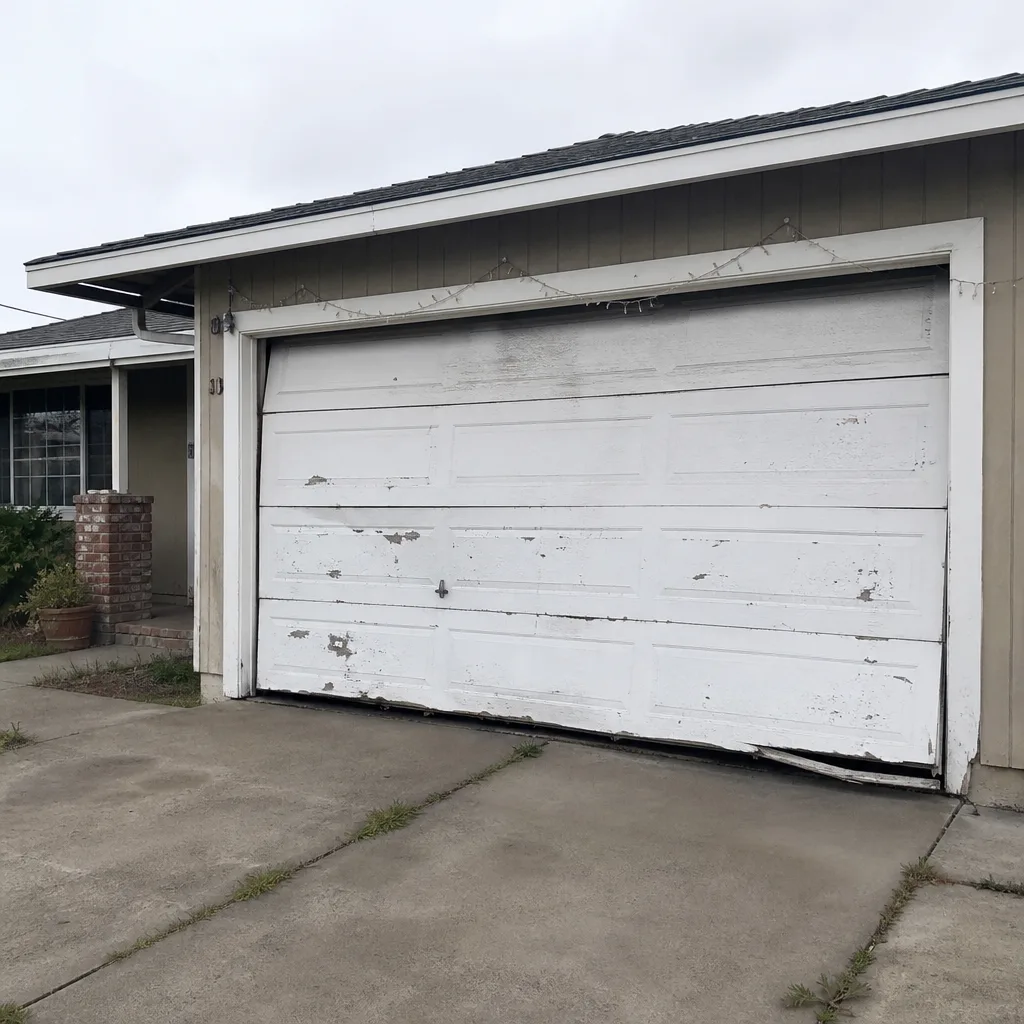 Before
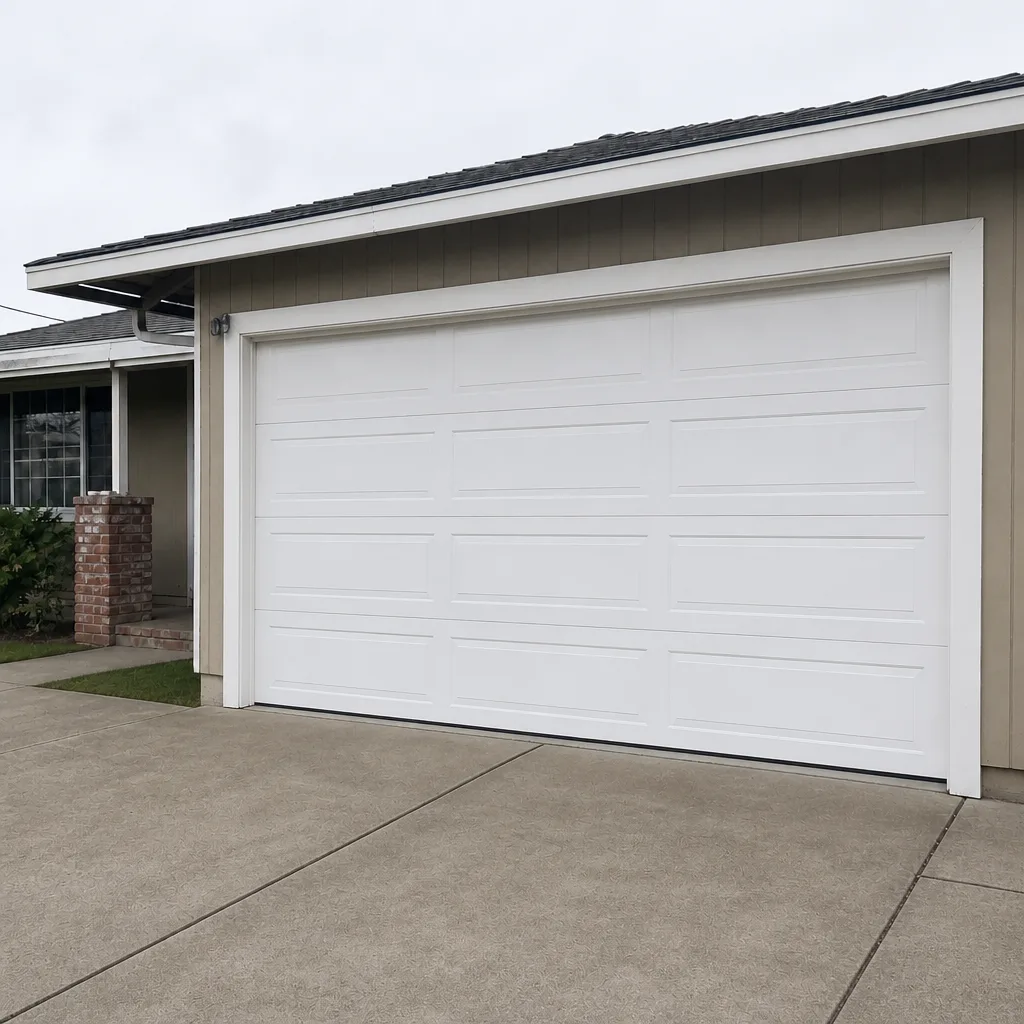 After
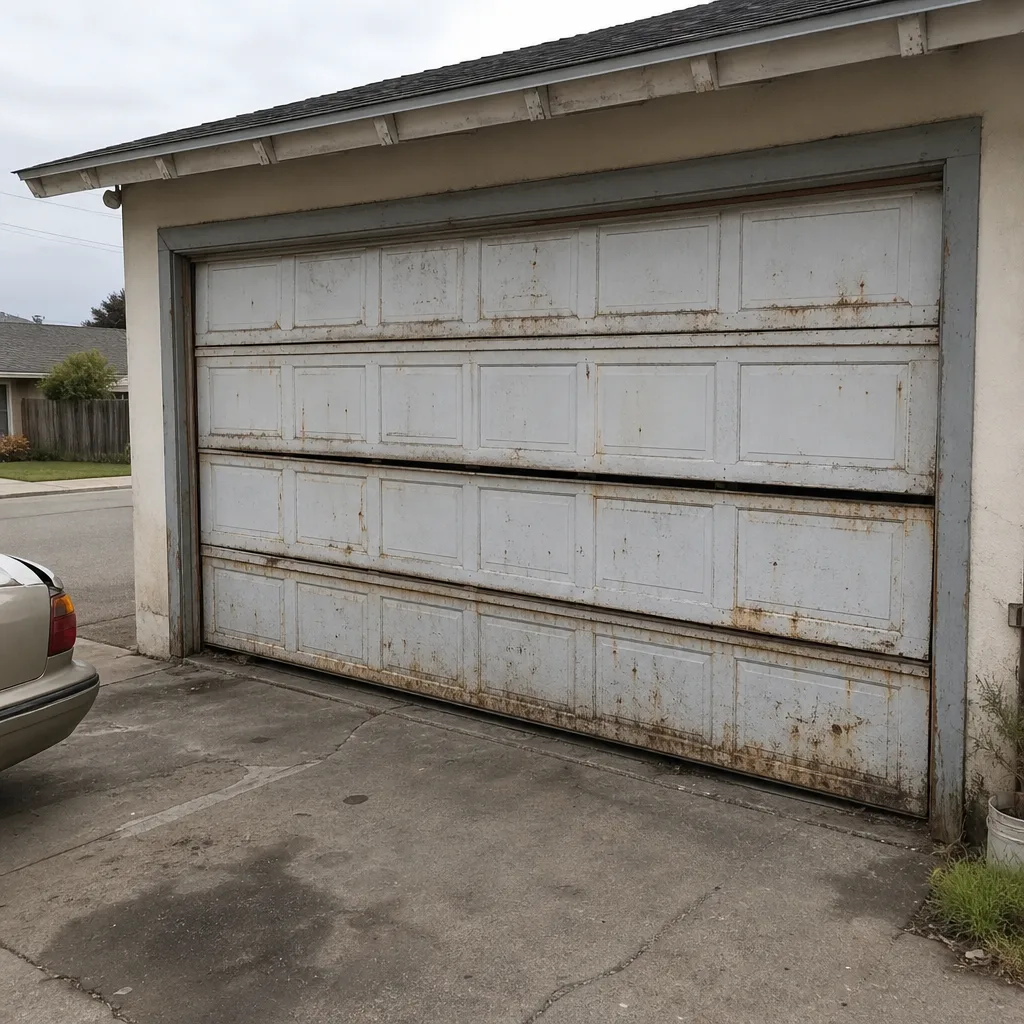 Before
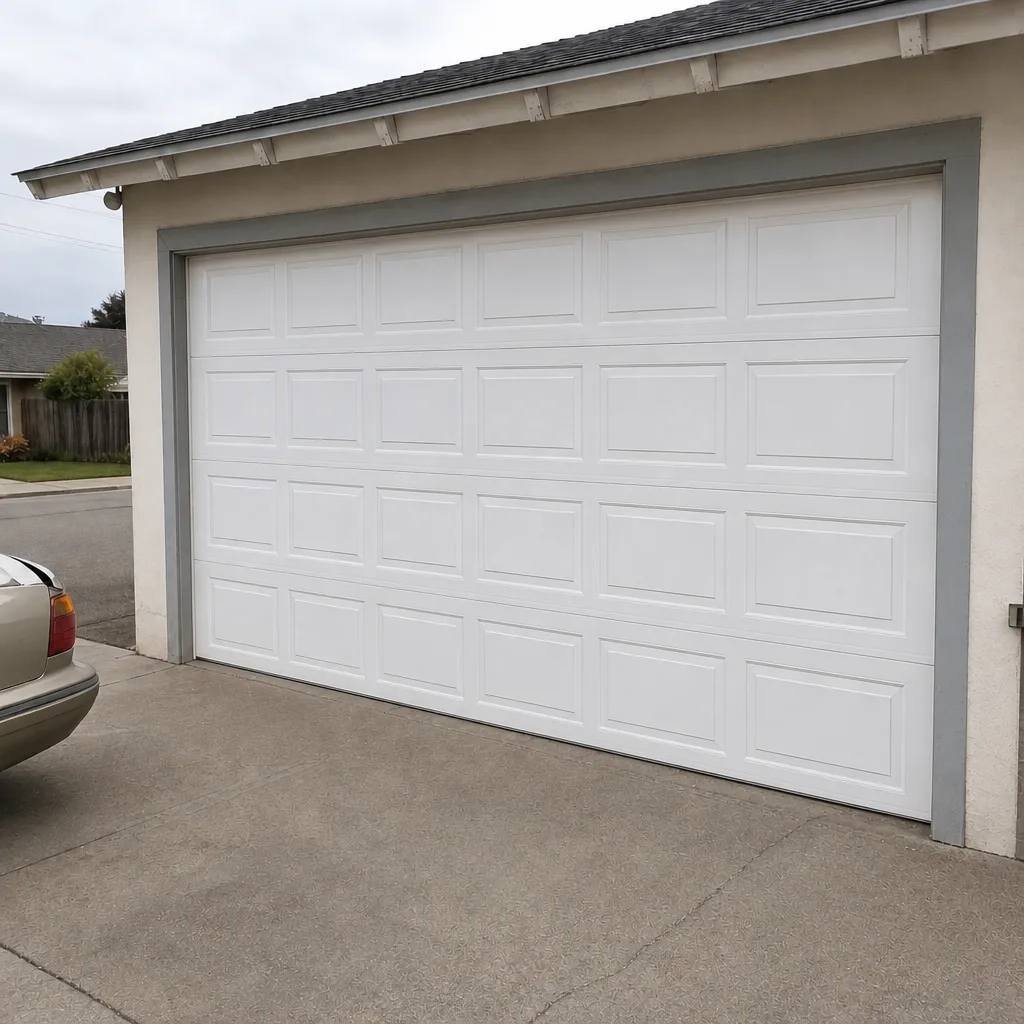 After
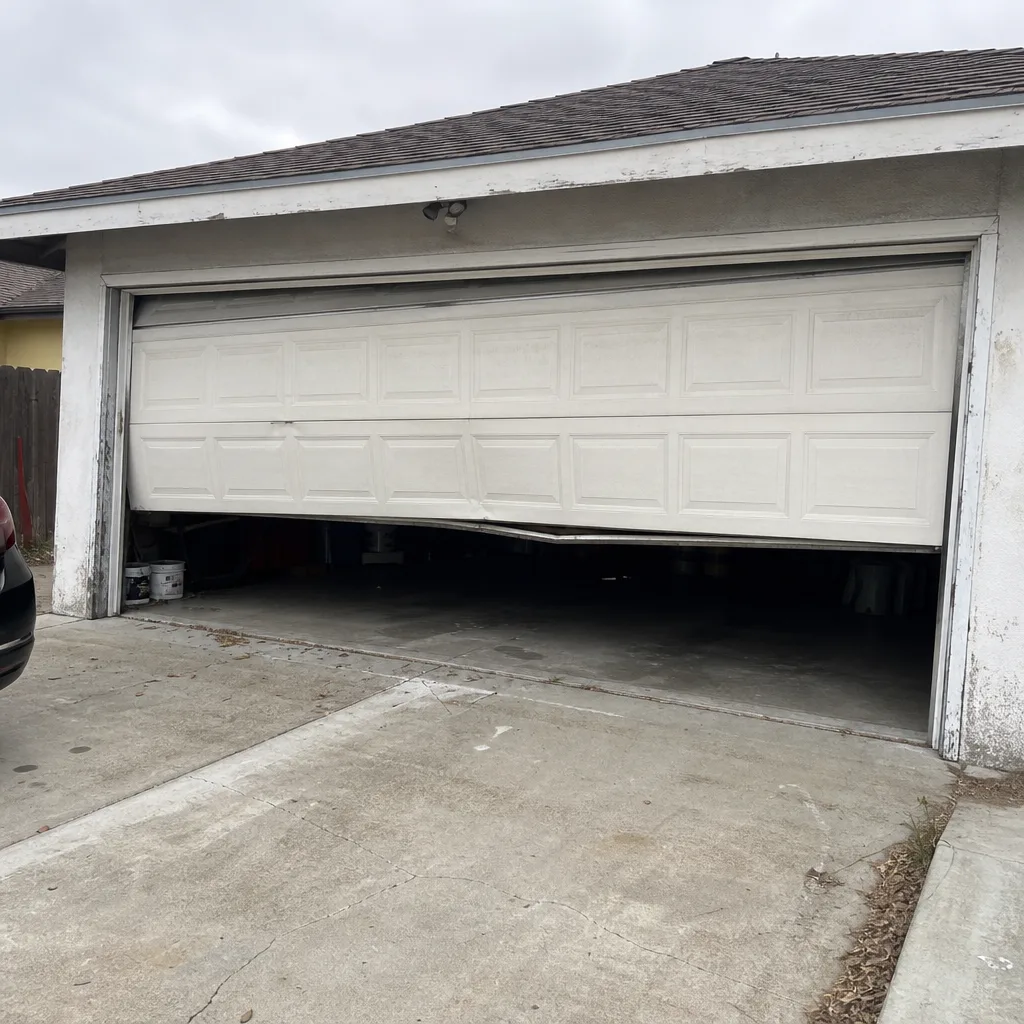 Before
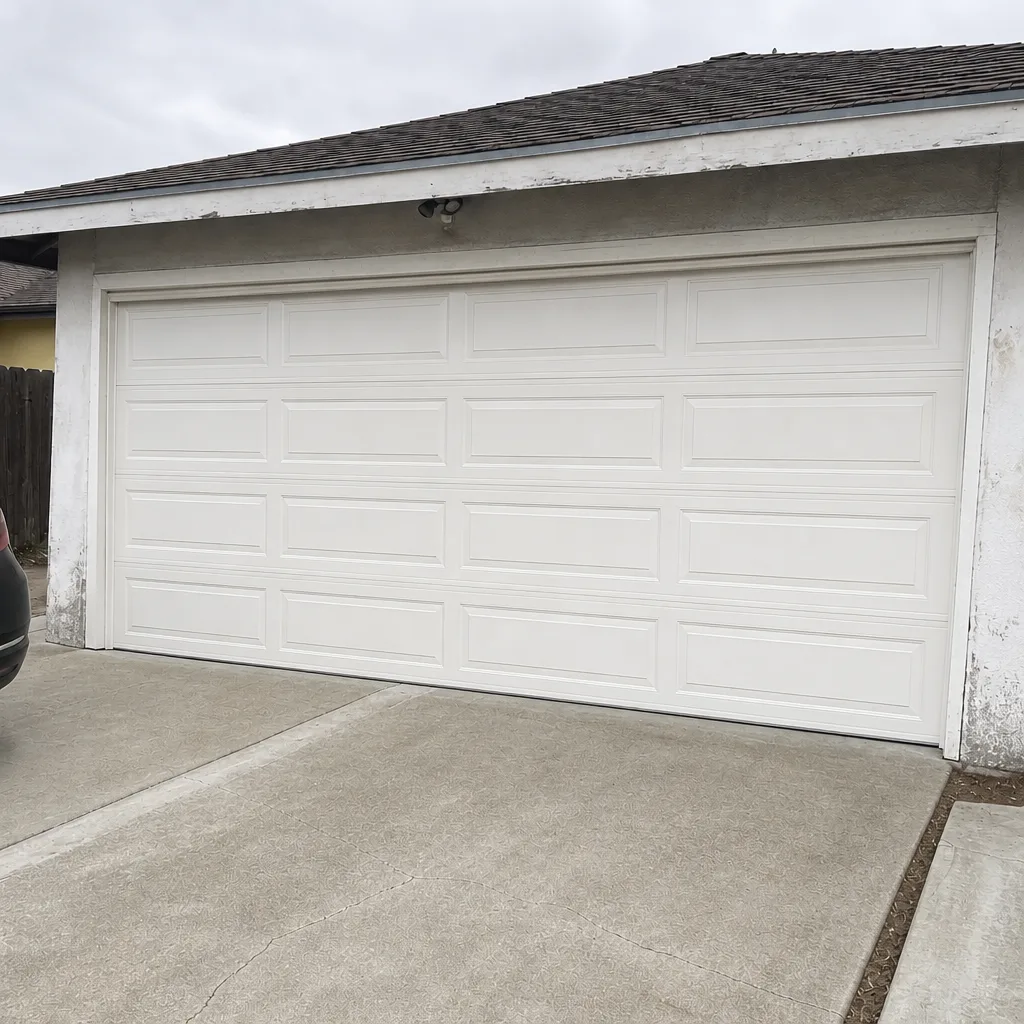 After
When to Call a Professional
Call a professional for anything involving springs, cables, and torsion hardware. Call for a visibly broken spring, a frayed or kinked cable, a door that hangs crooked, a track that’s bent, or a door that free-falls. Call for repeated popping or snapping, for an opener that reverses or won’t complete a cycle, or for a garage door that’s become noticeably hard to lift by hand. Call when two or more symptoms appear at once, because stacked wear tells a technician the system is on the edge of a bigger failure. Call if your door is a brand you’re not sure is covered; we work on LiftMaster, Chamberlain, Genie, Clopay, Amarr, Wayne Dalton, Craftsman, and Raynor equipment, and we diagnose before we recommend. Halo Garage Door Repair offers free estimates in Santa Maria. Call (866) 361-7506. We answer 24/7. Fast dispatch from 7am to 7pm, Sunday through Friday.
Frequently Asked Questions
The most common warning sign is a new sound during travel, usually squealing or rattling, that traces to dry rollers, hinges, or the opener’s drive. Santa Maria’s dry, dusty months make this the usual first complaint. It’s typically fixed with a lubrication and tightening service rather than parts. Call (866) 361-7506 for a free estimate on the fix.
Most noise is not dangerous by itself, but it’s a signal about wear somewhere in the system. Squealing, mild rattling, and short remote range are usually non-urgent. Popping or snapping during travel, however, is a serious flag and should be checked before the next cycle. If your door has started popping, stop using it and call.
Garage door repair in Santa Maria is priced per job by a written estimate, and the estimate is free. A lubrication and adjustment is a smaller job than a spring replacement, which is smaller than a panel or track repair. Spring pricing is quoted per spring, so a matched pair costs about twice a single-spring quote. Call (866) 361-7506 for an exact quote. Estimates are free, and the price is agreed before any work starts.
No. A broken torsion spring means the door’s counterbalance has failed, and continuing to run the opener puts dangerous load on the remaining spring or motor. If the door feels extremely heavy or won’t open more than a foot, stop and call. We answer 24/7. A call outside dispatch hours is booked into the next opening, Sunday through Friday, 7am to 7pm.
Hesitation before closing is usually an opener-side problem: a force setting, a logic board, a travel-limit switch, or a safety sensor out of alignment. It’s rarely a door problem, which is why it’s handled as opener repair rather than door repair. On LiftMaster and Chamberlain units, this is often a ten-minute adjustment. Call (866) 361-7506 for a diagnostic.
No. The price is set by a written estimate before any work begins, and that estimate is the price you’ll pay. If the diagnostic uncovers something additional, we’ll quote it in writing before doing the extra work, so you’re never surprised by the invoice. Call (866) 361-7506 for a free estimate in Santa Maria.
The Bottom Line
Warning signs split into two tracks: mechanical (noise, movement, wear) and control-related (opener hesitation, reversal, remote lag). Each one maps to a different system and a different fix. Treating a screw-drive Genie the same as a chain-drive LiftMaster, or a Craftsman opener the same as a Wayne Dalton door, is how misdiagnosis happens. Squealing, rattling, and remote lag usually allow days of safe use. A broken spring, a frayed cable, a crooked door, or a bent track mean stop today. Run a two-minute check monthly and in Santa Maria’s dry season, and most repairs you’ll face stay small. Halo Garage Door Repair diagnoses your door correctly, recommends the right fix, and finishes with a door that’s safe, balanced, and operating as intended.
Contact
If a warning sign on your door has you wondering whether to keep operating it or call, call us. Halo Garage Door Repair offers free estimates in Santa Maria. Call (866) 361-7506. We answer 24/7. Fast dispatch from 7am to 7pm, Sunday through Friday. We’ll diagnose the actual problem, quote the right fix in writing before any work begins, and leave your door safe, balanced, and operating as intended.
Written by the team at Halo Garage Door Repair.