
Last updated November 15, 2026
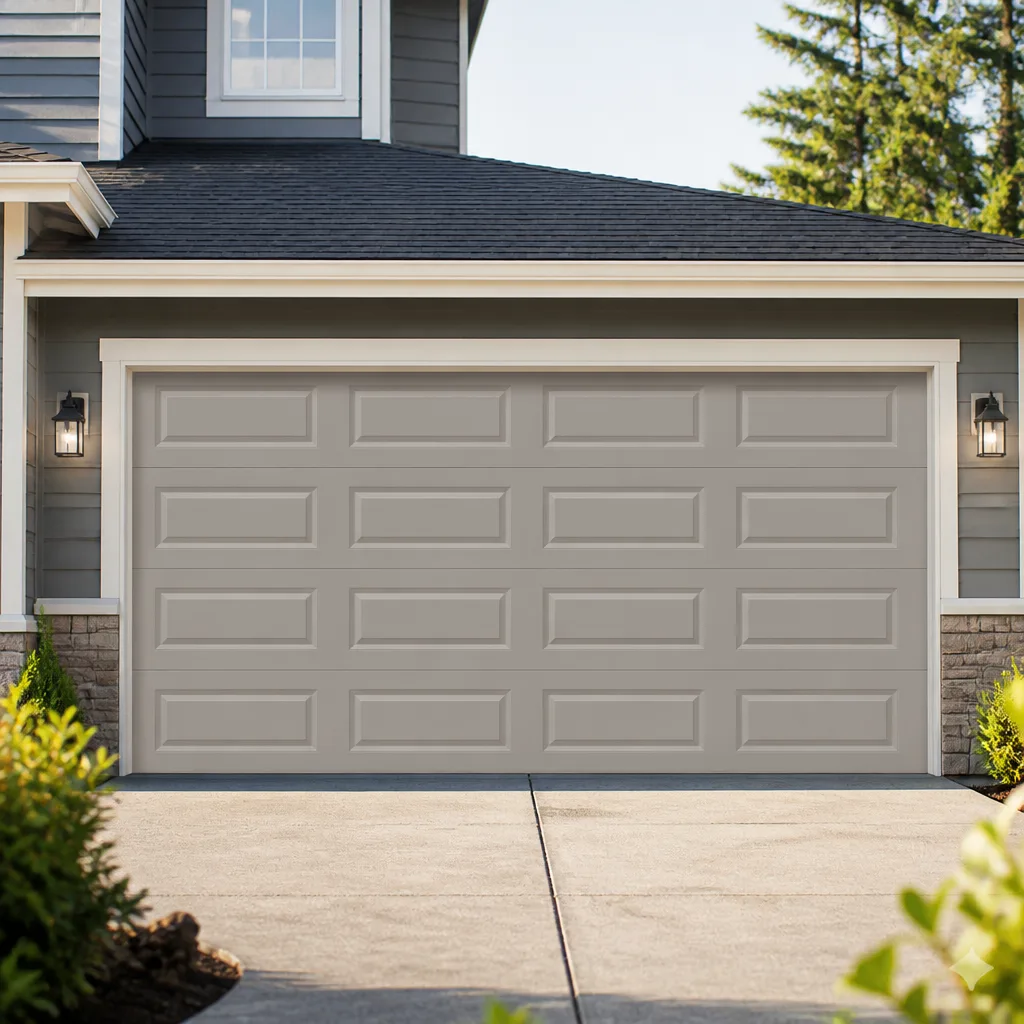 Raised-panel steel
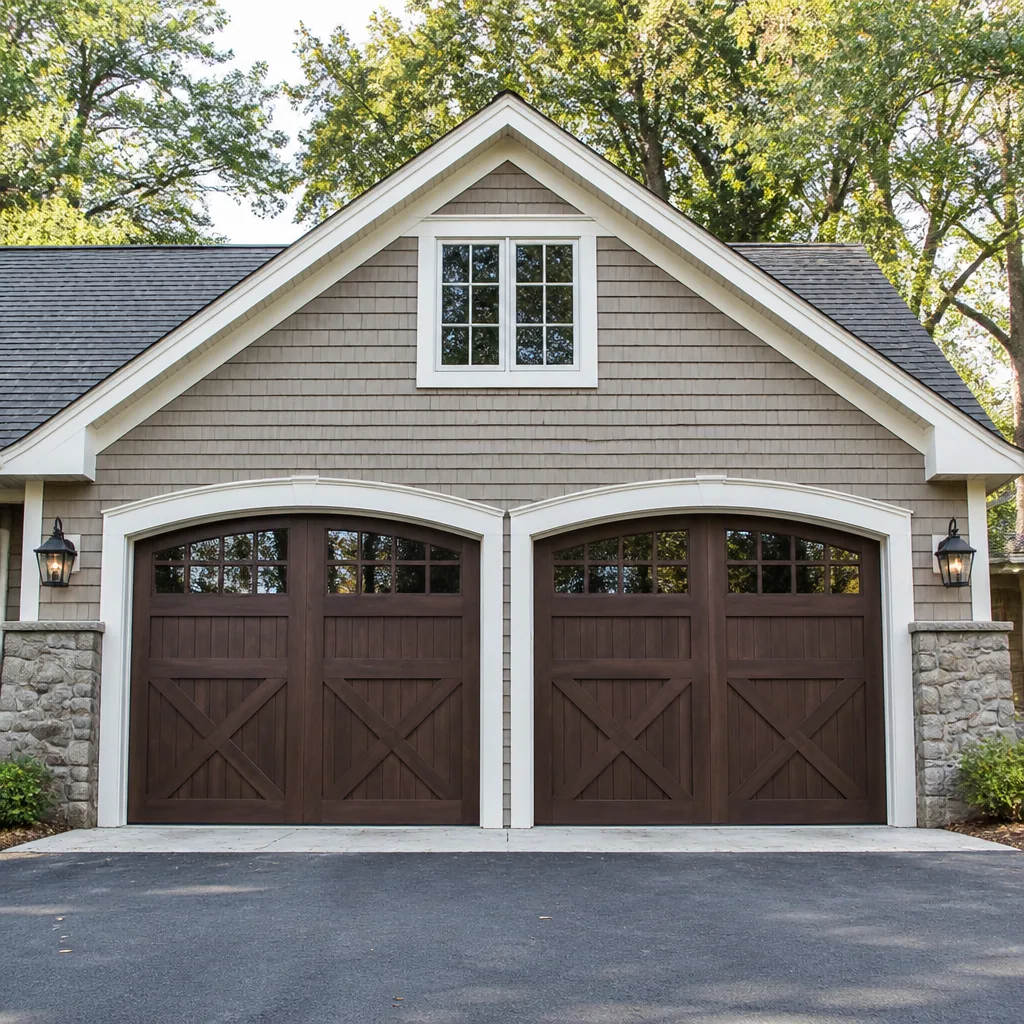 Carriage house
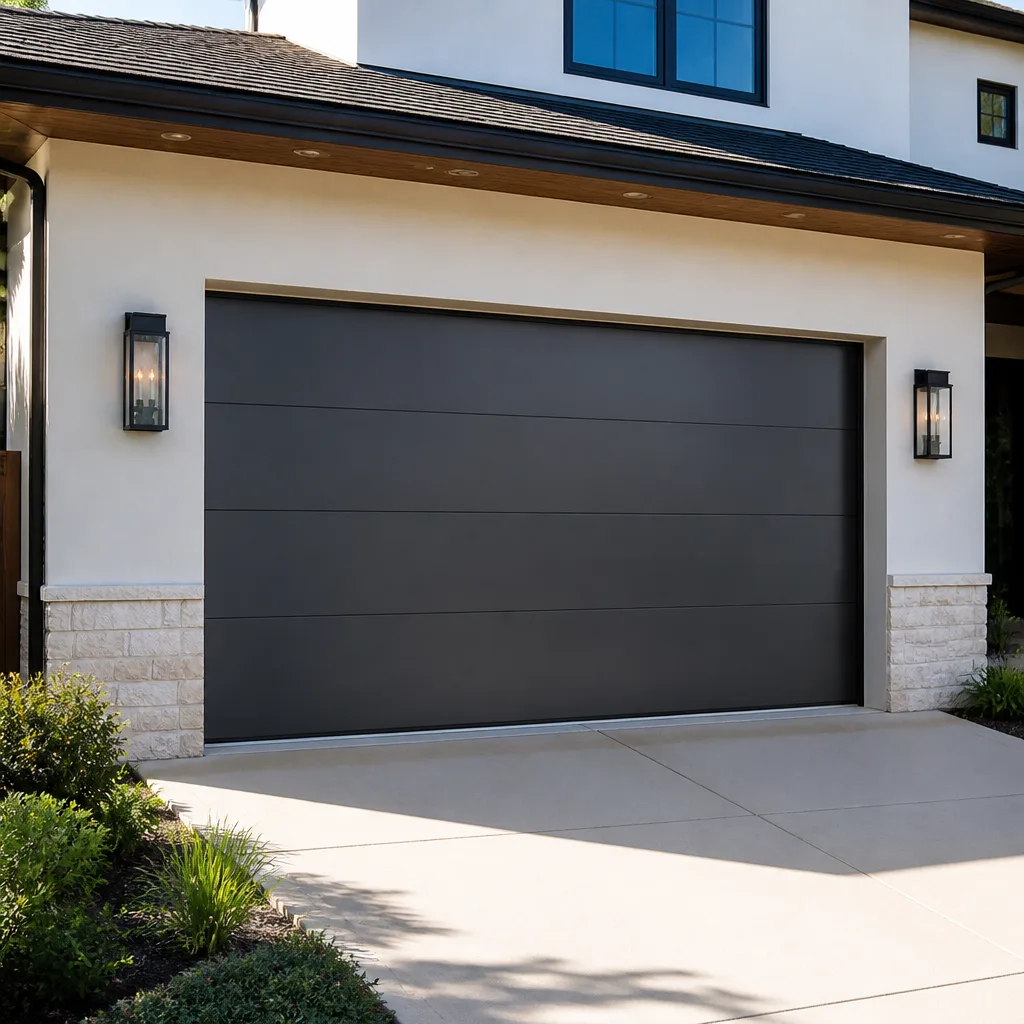 Modern flush
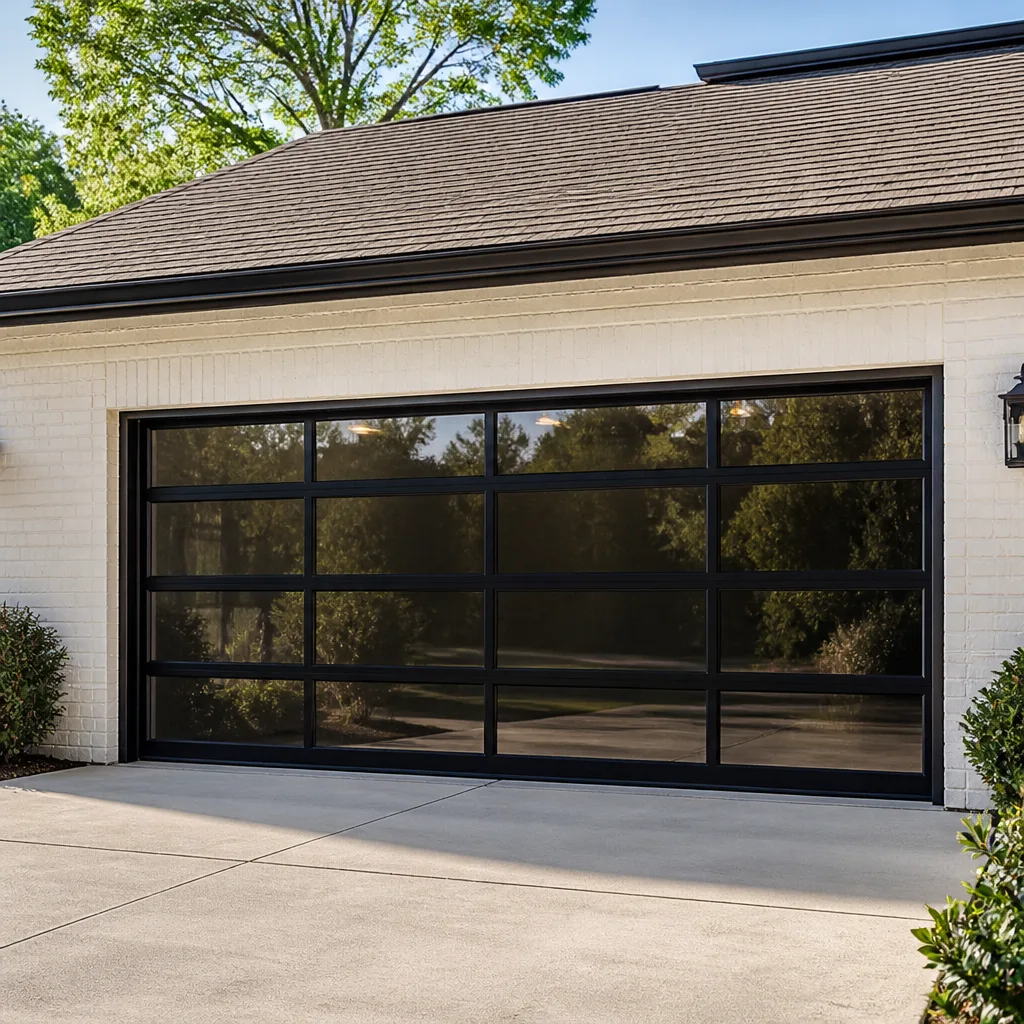 Full-view glass
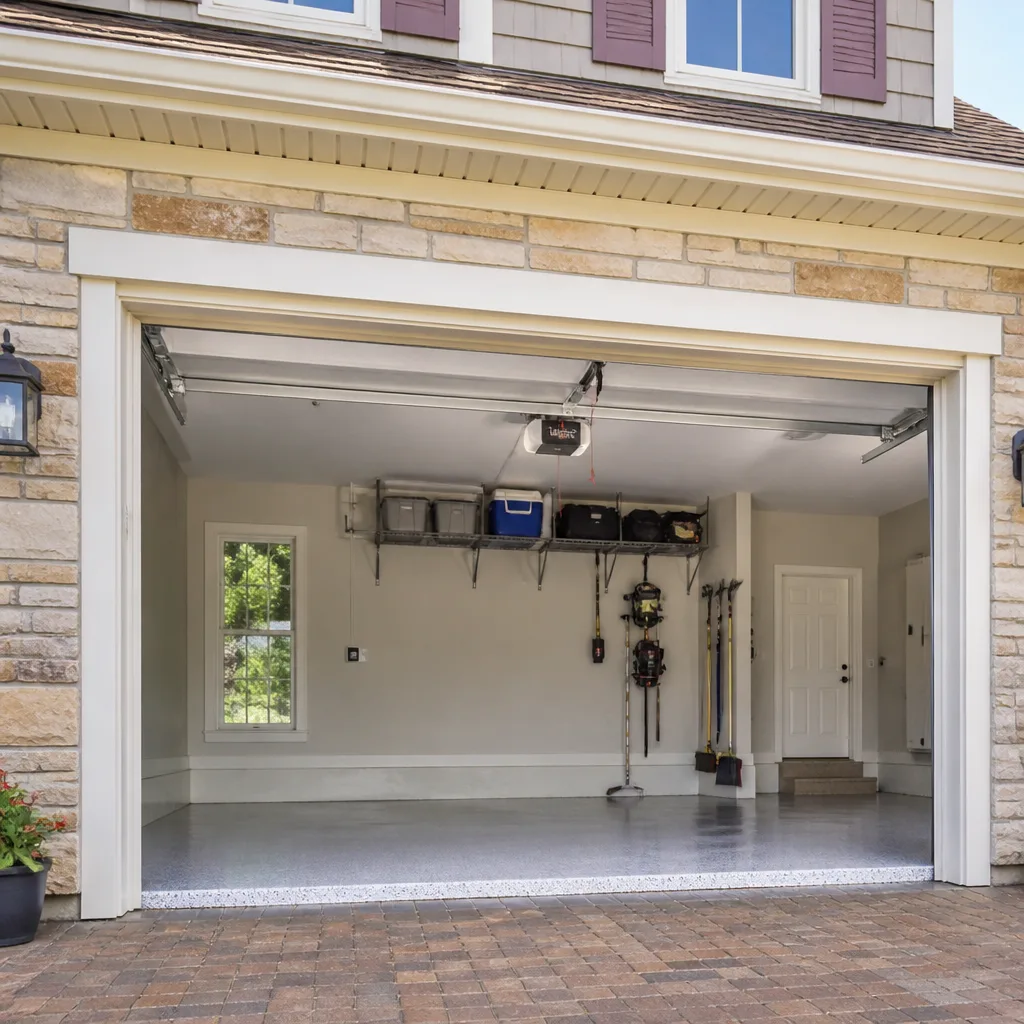 LiftMaster openers
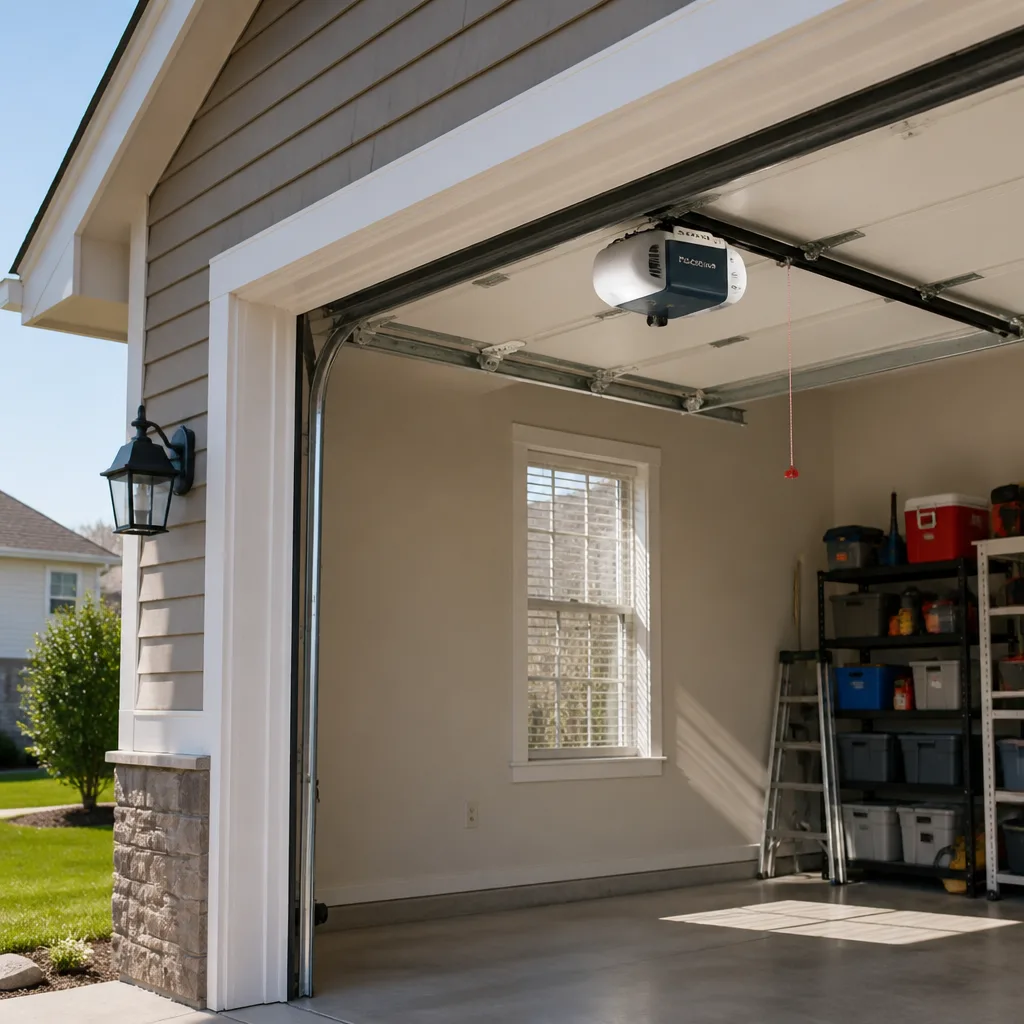 Chamberlain openers
Full 25-point door and opener safety check with every visit - springs, cables, rollers, tracks, and your LiftMaster or Chamberlain opener included
You get a price before we start. It does not change when the pro arrives.
Get your free estimateDIY vs Professional Garage Door: The Santa Maria Homeowner’s Decision Guide
Most garage door advice splits into two useless camps: “you can fix anything with a YouTube video” and “never touch it, call a pro.” Both miss the point. The real question isn’t DIY versus professional. It’s which specific tasks on your specific door sit inside safe homeowner capability, and which ones cross a line you can’t uncross. Here’s the part that surprises people: a torsion spring stores enough energy to cause severe injury in a fraction of a second, yet it’s the single most commonly DIY’d garage door component. This guide draws the boundary task by task, so you know exactly what to touch, what to leave alone, and what it costs either way in Santa Maria.
Quick Answer
Homeowners can safely handle sensors, lubrication, remote and keypad programming, and bottom-seal replacement. Anything involving torsion springs, cables, drums, or track realignment belongs to a trained technician, because those parts hold or release stored force that can injure you or damage the door. For the safe half of the list, DIY makes sense; for the dangerous half, a Santa Maria professional estimate is the cheaper and safer path.
Styles & brands we work with
- Raised-panel steel
- Carriage house
- Modern flush
- Full-view glass
- LiftMaster openers
- Chamberlain openers
Table of Contents
- Why the DIY Question Is Usually the Wrong Question
- The Definitive Task List: What You Can Do and What You Can’t
- How to Assess Your Door Honestly Before You Decide
- The Cost-Benefit Math: When DIY Saves Money and When It Doesn’t
- Brand-Specific DIY: Where Software Is Friendly and Where It Isn’t
- What Santa Maria Conditions Mean for Your Door
- Common Mistakes to Avoid
- When to Call a Professional
Why the DIY Question Is Usually the Wrong Question
Garage doors are machines. Some parts are built for owner maintenance. Others were engineered to be serviced by someone who knows exactly what load they’re handling. Treating the whole door as one category is where homeowners get hurt or spend more than they would have on a repair.
Think about what actually stores energy on a standard sectional door. Torsion springs, mounted above the door on a horizontal shaft, hold torque that balances the door’s weight. Extension springs, mounted on the sides, do the same job in tension. Cables connect the springs to the bottom brackets. Every one of those parts is under continuous load whenever the door is down. That load doesn’t announce itself. A door sitting at rest looks inert, and that’s the trap.
On the other side of the ledger are sensors, weatherstripping, opening devices, and cleaning. None of them store force. A homeowner who replaces a photo-eye sensor or programs a new remote is doing simple, low-consequence work. A homeowner who loosens a spring winding cone unknowingly has a compressed spring waiting to release.
In Santa Maria, plenty of homes have overhead doors that have been doing their job quietly for years without a checkup. That long, easy service life lulls owners into treating the door like furniture. It isn’t. It’s a balanced system of springs, cables, and tracks that all need to stay in harmony. Once you see the door that way, the DIY line becomes obvious: fix the things that don’t hold force, and leave the things that do to someone trained for it.
The Definitive Task List: What You Can Do and What You Can’t
This is the heart of the guide. Keep this list somewhere you can find it. It separates the jobs a reasonably handy homeowner can complete with basic tools from the jobs where a professional’s training and equipment aren’t optional.
Safe for homeowners
- Photo-eye sensor replacement or realignment. The sensors at the bottom of the tracks are low-voltage and easy to swap. Turn off power at the opener first, then follow the manufacturer’s instructions.
- Remote and keypad programming. Most modern openers, and specifically LiftMaster and Chamberlain MyQ systems, are designed for this. You’ll use the learn button on the opener body or the app, depending on the model.
- Lubrication. A light application of the proper lubricant on hinges, rollers, and the opener’s rail is routine maintenance that anyone can do.
- Bottom seal or weatherstripping replacement. The seal at the base of the door keeps out dust, drafts, and insects. Replacing it is a straightforward homeowner job with the correct replacement part.
- Cleaning and visual inspection. Wiping the tracks, checking for loose bolts, and looking for worn rollers are all safe. You’re not changing anything, just looking.
- Panel and hardware tightening. Snugging loose hinge bolts or roller brackets with a wrench is within reach, provided the door is fully down and the opener is unplugged.
Requires a professional
- Torsion spring replacement or adjustment. The single most dangerous garage door task. Springs are wound to specific turns under extreme tension. Never attempt this.
- Extension spring replacement. Same stored-energy risk, different configuration. That includes opening a loaded extension spring to measure it; a trained technician will handle the measurement safely with the door at the correct height.
- Cable, drum, and bottom bracket work. Cables are under spring tension and can release with violent force if a drum or bracket is disturbed.
- Track realignment or replacement. A bent or twisted track changes how the entire door moves. Getting it wrong can lead to a door that jumps the track or falls.
- Opener drive and electronic repair. Belt, chain, and screw-drive systems need the right diagnostic tools and knowledge of the electronics.
- Spring measurement, even if you plan to buy the part yourself. Measuring a spring means reading its wire diameter, inside diameter, and length, and those specs must be read from a de-tensioned spring. That’s a job for someone who can release the tension safely.
How to Assess Your Door Honestly Before You Decide
Before you put a wrench to anything, spend ten minutes evaluating the door’s actual state. A garage door that’s fundamentally sound can tolerate a little homeowner maintenance. One that already has a problem shouldn’t get any DIY attention at all, because a bent or twisted component changes the risk profile of everything around it.
- Unplug the opener and disengage it. Pull the release handle to disconnect the door from the opener so you can move it by hand. If the door won’t stay in place when you let go, stop here. The spring system isn’t balancing the door.
- Lift halfway and let go. A properly balanced door should stay roughly where you leave it. If it slams down or the door feels unusually heavy, the springs are likely near the end of their life or already broken.
- Look at the tracks. Stand inside and sight down each vertical and horizontal track. A visible bend, a gap, or a kink in the metal changes everything. A bent track means the door is no longer traveling in a straight path, and that means the rollers are under uneven load. Don’t try to bend it back. Call a professional.
- Check the cables. Look at the cables that run along the sides of the door. If one is slack, frayed, or wrapped unevenly on the drum, stop and call.
- Listen. A door that rattles, squeals, or grinds is telling you something. Grinding from the opener often means a drive problem; grinding from the tracks usually means alignment.
- Test the safety reverse. Put a small object in the door’s path and close it with the opener. If it doesn’t reverse, the sensor or safety system needs attention.
If the door passes these checks, you can proceed with the safe tasks from the previous section. If it fails any of them, especially the balance or track checks, don’t do any DIY work. Even a sensor swap is worth deferring until the underlying mechanical problem is addressed.
One more Santa Maria-specific note: homes here sit in a valley climate with hot summers and mild winters, and garage doors on the sunny side of a house can get noticeably warm. A door that hums along all spring can start sticking in the heat. If the door only misbehaves on the hottest afternoons, that’s a symptom worth a professional diagnostic rather than an owner adjustment.
The Cost-Benefit Math: When DIY Saves Money and When It Doesn’t
The math is simpler than it looks. For the homeowner-safe tasks, DIY is genuinely cheaper because the parts are inexpensive and the labor is short. For anything involving stored energy, DIY isn’t cheaper because the parts aren’t the problem. The risk is.
Here’s the rule of thumb: if the job needs a torque tool or a spring-winding sequence, a professional estimate is the right first call. If the job needs a screwdriver and five minutes, you’re the right person for it.
Where homeowners get the math wrong is in repair attempts that go sideways. A DIY spring or cable job that fails can bend a track, damage a panel, or leave the door unbalanced. That turns a single job into a repair-plus-replacement scenario. The professional call you avoided becomes two professional calls, and the door costs more than it would have at the start.
On the safe side of the line, prices in Santa Maria run modest. A new bottom seal and a can of the correct garage door lubricant cost less than a tank of gas. Sensor replacement is similar. Remote programming is free once you have the manual or the app. Those are the DIY wins.
When a door needs real repair, a written estimate tells you the number before anything starts. That’s how we work: we quote the job, you agree to it, and then we touch the door. For repair or opener work, that quote is free, and calling Halo Garage Door Repair gets you a straight answer without a sales pitch. “Make sure the price is agreed before any work starts” is a sentence worth repeating to any company you hire, including us.
Brand-Specific DIY: Where Software Is Friendly and Where It Isn’t
Not every opener is equally friendly to homeowner tinkering. The software layer matters as much as the hardware.
LiftMaster and Chamberlain share the MyQ platform, and it’s the most homeowner-accessible smart opener system on the market. Remote pairing, keypad programming, app connection, and most user-level settings are designed to be handled by the owner. If you have one of these, you can reasonably handle smart-feature setup and diagnostics without a technician.
Genie openers, particularly older models, tend to have more limited homeowner programming paths. Newer Genie smart units are friendlier, but the interface is often less standardized. You’re more likely to need the exact manual for your model year.
Doors are their own story. Clopay and Amarr sectional doors are both common in residential builds, and panel and hardware replacement for either is mechanically similar. But panel replacement crosses the line into professional territory because the door has to be re-balanced afterward. Wayne Dalton doors sometimes use proprietary spring and hardware configurations, so even a homeowner buying a replacement seal should verify the exact model first.
What we see across the eight brands we work on (LiftMaster, Chamberlain, Genie, Clopay, Amarr, Wayne Dalton, Craftsman, and Raynor) is that DIY the software and leave the hardware alone. Opener-repair work is a good example. Programming a remote is a homeowner job. Diagnosing why the opener won’t lift the door is not, because that’s often a symptom of a spring, cable, or track problem rather than an electronic one. When an opener stops working right, garage door opener repair is the specialist call, and our technicians have up to 15 years of experience with the belt, chain, and screw-drive systems on these brands.
What Santa Maria Conditions Mean for Your Door
Santa Maria’s climate is forgiving to garage doors compared with more extreme parts of California. Mild winters, no deep freeze, no snow load. But mild doesn’t mean maintenance-free, and a few local realities are worth knowing.
Summer heat is the biggest factor. Inland valley afternoons push the temperature high enough that metal tracks expand and door panels flex. A door that’s slightly out of adjustment in April can start rubbing in July. If your door gets noisier or slower in the hottest weeks, that’s the season talking. Lubrication helps. So does a routine balance check.
Dust is the second factor. Valley winds carry fine dust that settles into hinges, rollers, and the opener rail. Lubrication keeps those parts moving smoothly and reduces wear. It’s the single highest-value maintenance task a homeowner can do, and it costs almost nothing.
Humidity swings are modest here, but seasonal changes still affect the rubber seals at the base and sides of the door. If your bottom seal is cracking or pulling away, replace it. That’s DIY-safe and worth doing before the gap lets in drafts, insects, and dust.
For neighborhoods and homes across Santa Maria, the practical advice is the same: lean on lubrication and visual checks during the two seasonal changes, spring and fall, and let the door’s behavior tell you when something deeper needs attention. If you’re in a home with a door that hasn’t been checked in a while, a professional look tells you whether you’re sitting on a small fix or a bigger one before a small fix becomes a big one.
Common Mistakes to Avoid
- Touching a torsion spring without knowing what it is. This is the mistake that causes emergency-room visits. If you don’t know whether your spring is torsion or extension, don’t touch anything. Have someone identify it first.
- Bending a track back into place by hand. A bent track already means the door is out of alignment. Bending it back rarely gets it right and often makes it worse. Track work is a professional call.
- Buying a replacement spring and then trying to install it. A spring that was measured wrong, wound wrong, or tensioned wrong can leave the door heavier than it was, which then stresses the opener and cables. Springs need the right spec and the right winding procedure.
- Assuming an opener failure is an opener problem. When a door suddenly stops lifting, the opener is often the innocent party. A failing spring or slipping cable will cause the opener to struggle. Fixing the door is the real repair.
- Using the wrong lubricant on tracks. Tracks should stay dry and clean. Lubricant on the track surface attracts dust and can cause uneven travel. Use the correct garage door lubricant on hinges and rollers, not on the track itself.
- Ignoring the safety reverse test. A door that doesn’t reverse on contact is a hazard. If your reverse test fails, don’t run the door until it’s corrected. That’s either a sensor or an opener issue, and it needs a real diagnosis.
- Waiting until a small noise becomes a big one. Grinding, squealing, and slow response are early warnings. A modest repair now almost always beats a major one later, and in Santa Maria’s warm season, small problems tend to grow faster than owners expect.
When to Call a Professional
Call a professional if any of the following is true. A torn or broken spring. A cable that’s slack or frayed. A track that’s visibly bent. A door that won’t stay up when opened by hand. A door that slams down instead of holding. An opener that won’t move the door even though it hums. Or any situation where you’re not sure whether a part is under tension. Those scenarios all sit on the professional side of the line, and trying to solve them yourself turns a small repair into a bigger one.
We also field a lot of “my door is making a noise and I don’t know why” calls in Santa Maria. That’s a good reason to call, because diagnosis is where this gets easy. We work on all eight major brands, we fix the actual problem, and we finish with a door that’s balanced, force-tested, and safe. Halo Garage Door Repair offers free estimates in Santa Maria. Call (866) 361-7506. We answer 24/7. Fast dispatch from 7am to 7pm, Sunday through Friday, closed Saturday. If you’re closer to the base, our garage door repair team covers that area too, and the same principles apply at every door type.
See the difference
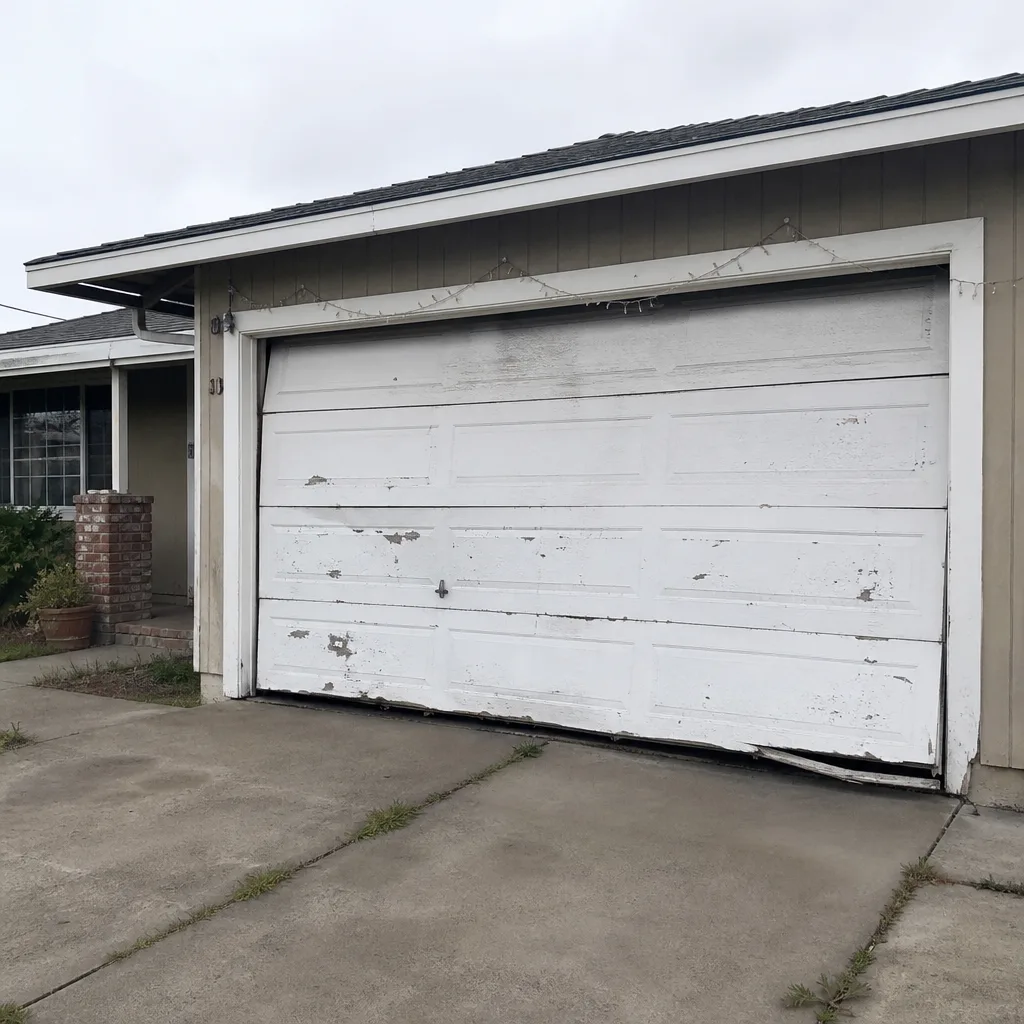 Before
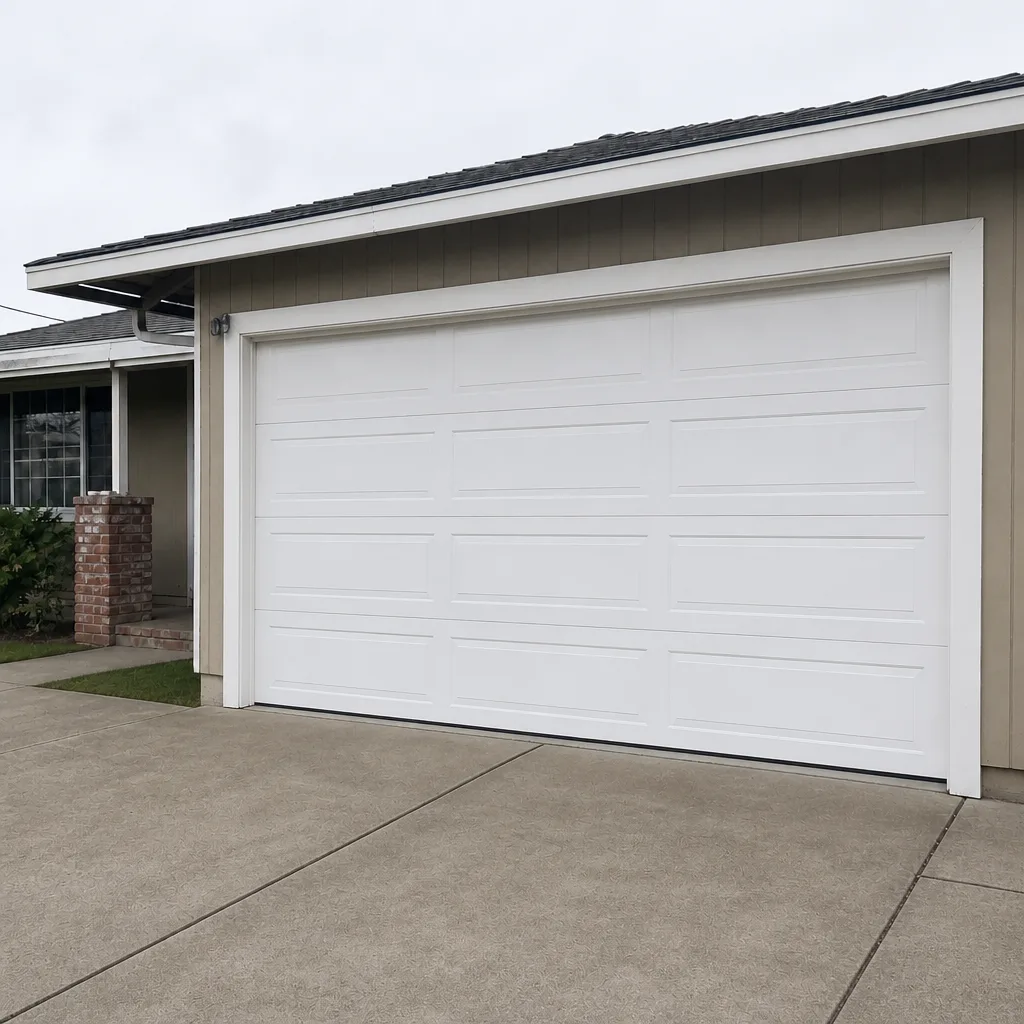 After
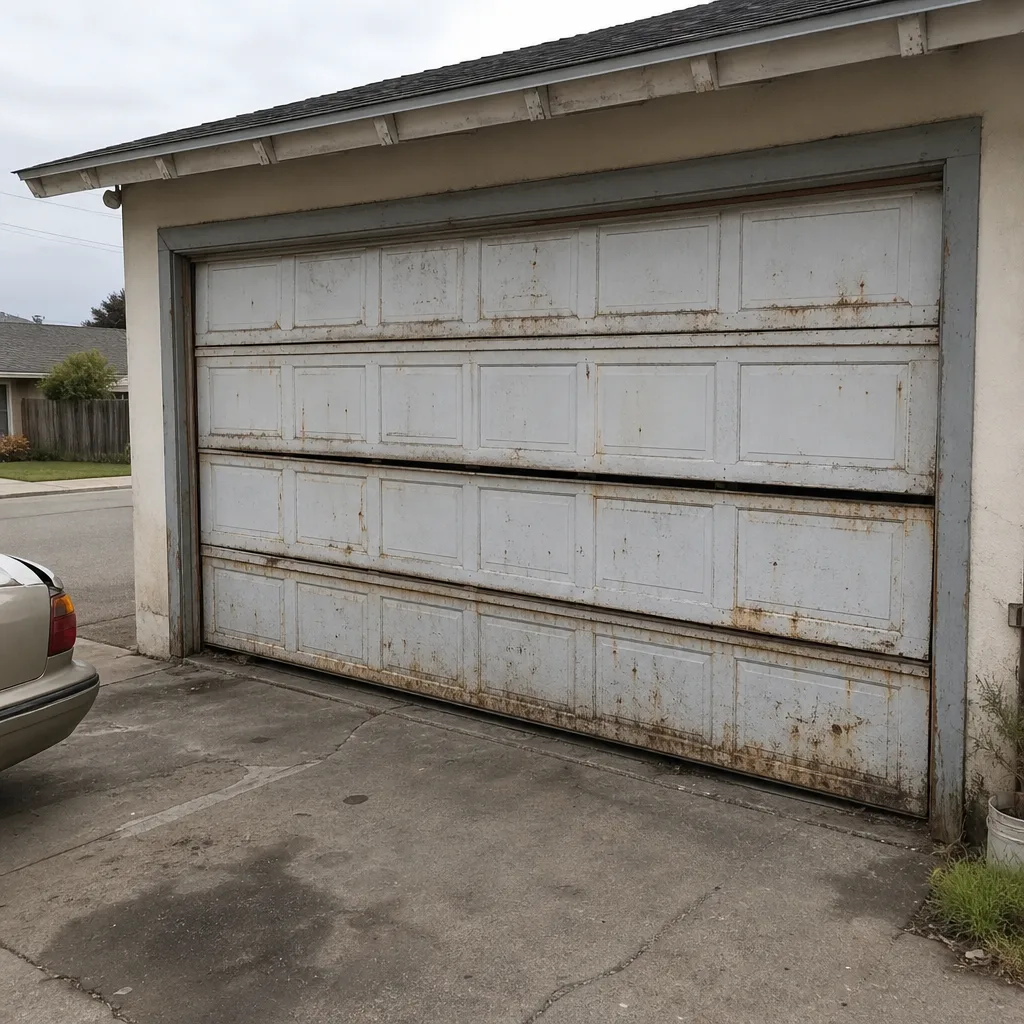 Before
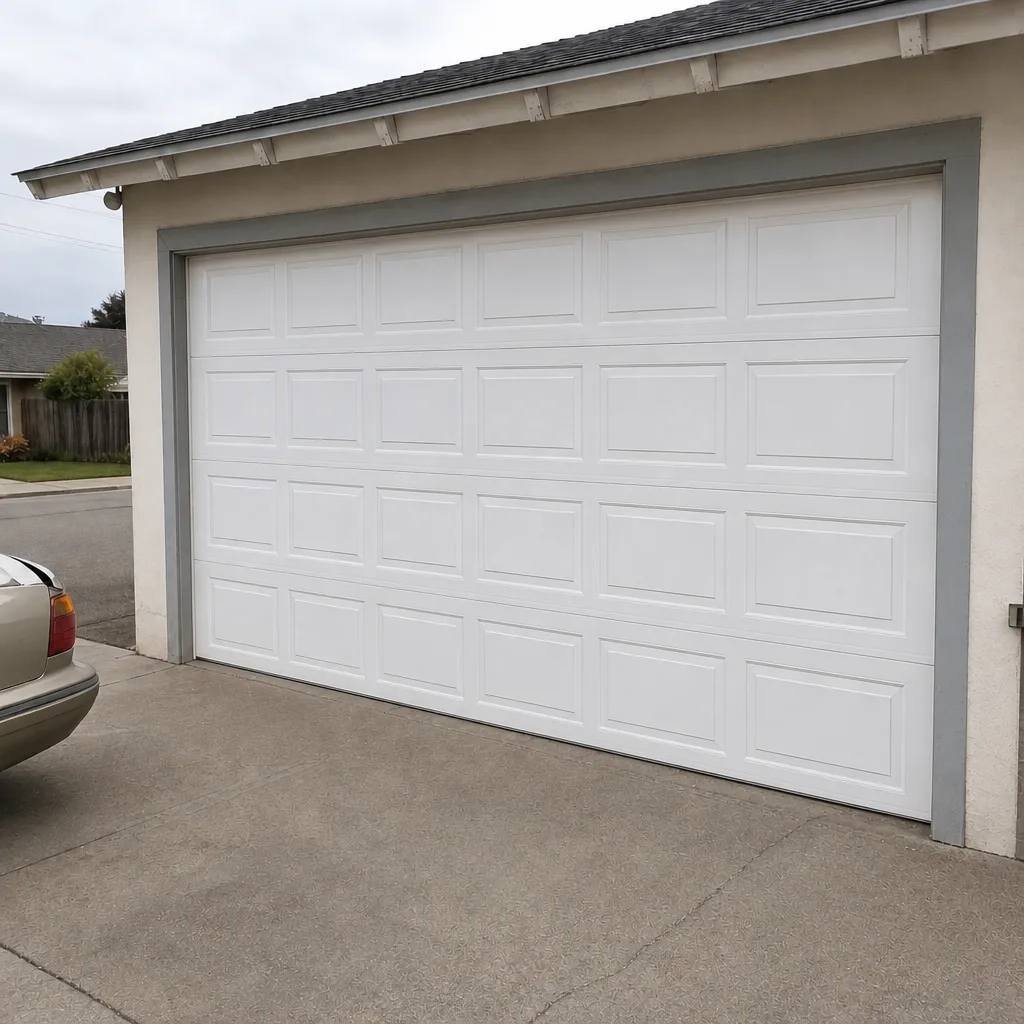 After
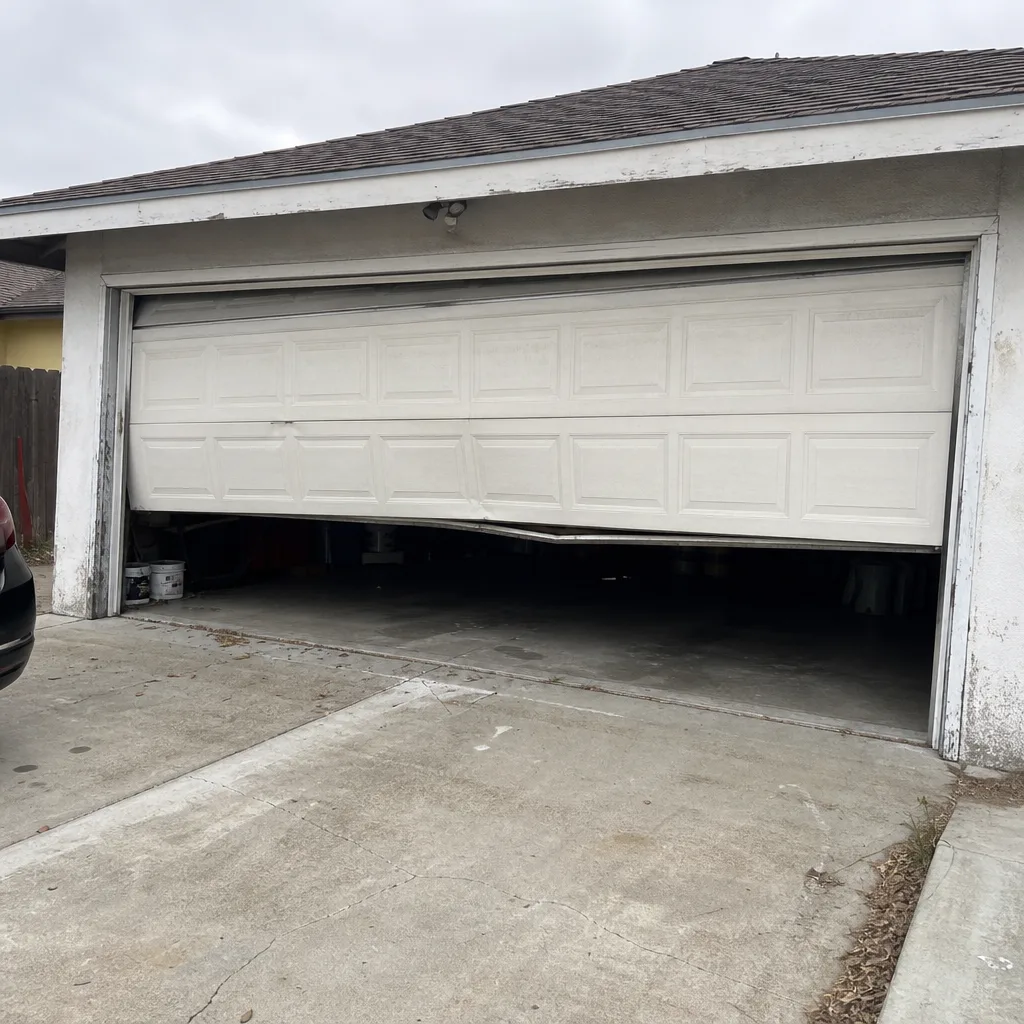 Before
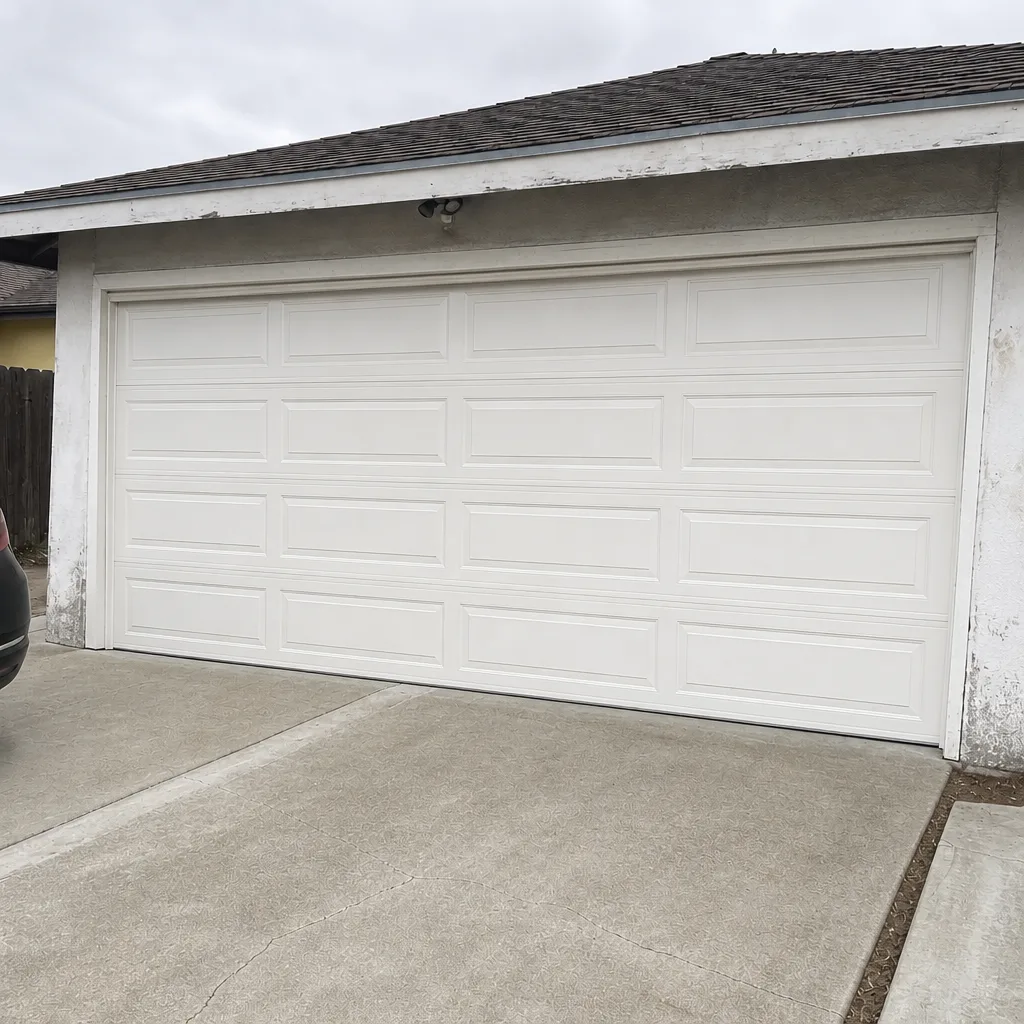 After
Frequently Asked Questions
No. Torsion and extension springs store significant energy, and releasing or rewinding them without proper tools and training can cause severe injury. Spring work is the clearest professional-only task on this list, and no manufacturer intends it for homeowner installation. Call (866) 361-7506 for a free estimate.
Photo-eye sensor replacement, remote and keypad programming, lubrication, bottom-seal and weatherstripping replacement, and visual inspection are all safe DIY tasks. These do not involve stored energy or spring tension. If a repair touches springs, cables, drums, or tracks, it belongs to a technician.
Unplug the opener, pull the release to disengage it, lift the door halfway by hand, and let go. A balanced door stays roughly in place. A door that drops hard or feels very heavy is out of balance, which usually means spring wear or a cable problem. Don’t run the opener on a door that fails this test.
It depends entirely on the task. Sensor swaps, seal replacement, and lubrication are genuinely cheaper as DIY because the parts are inexpensive and the risk is low. Spring, cable, drum, and track work is cheaper through a professional once you factor in the risk of a failed attempt and the follow-up repair it can create. Get a free written estimate before deciding.
Often yes. Pairing a remote or keypad on a Chamberlain or LiftMaster MyQ system is designed for homeowner use, so start by re-pairing the remote and checking the battery. If the opener itself won’t move the door, the problem is more likely mechanical, and that’s when it’s time to call.
Heat-related sticking is common in the valley’s warm season, and lubrication often helps. Start with the correct lubricant on hinges and rollers and see if the sound eases. If the door continues to bind, slows significantly, or starts grinding, that’s a mechanical adjustment that needs a professional look before it does more damage. Call (866) 361-7506 for a free estimate.
The Bottom Line
The DIY-versus-professional question has a real answer, and it’s a task-by-task answer. Handle the sensor, the remote, the keypad, the bottom seal, and the lubrication. Leave springs, cables, drums, tracks, and opener drive repairs to a trained technician, because those parts hold stored energy and get dangerous fast when handled wrong. In Santa Maria, the mild climate means your door doesn’t need heroic maintenance, just routine care and an honest assessment when something changes. If you’re not sure which side of the line your problem sits on, that’s the moment to call. We diagnose the actual problem instead of guessing, and we finish with a door that’s balanced and safe.
To get that free written estimate, call (866) 361-7506. We answer 24/7. Fast dispatch from 7am to 7pm, Sunday through Friday, closed Saturday. Whether you’re near the Vandenberg AFB side of town or anywhere else in Santa Maria, we’ll tell you exactly what your door needs and what it costs before we touch it.
Written by the team at Halo Garage Door Repair.