
Last updated November 15, 2026
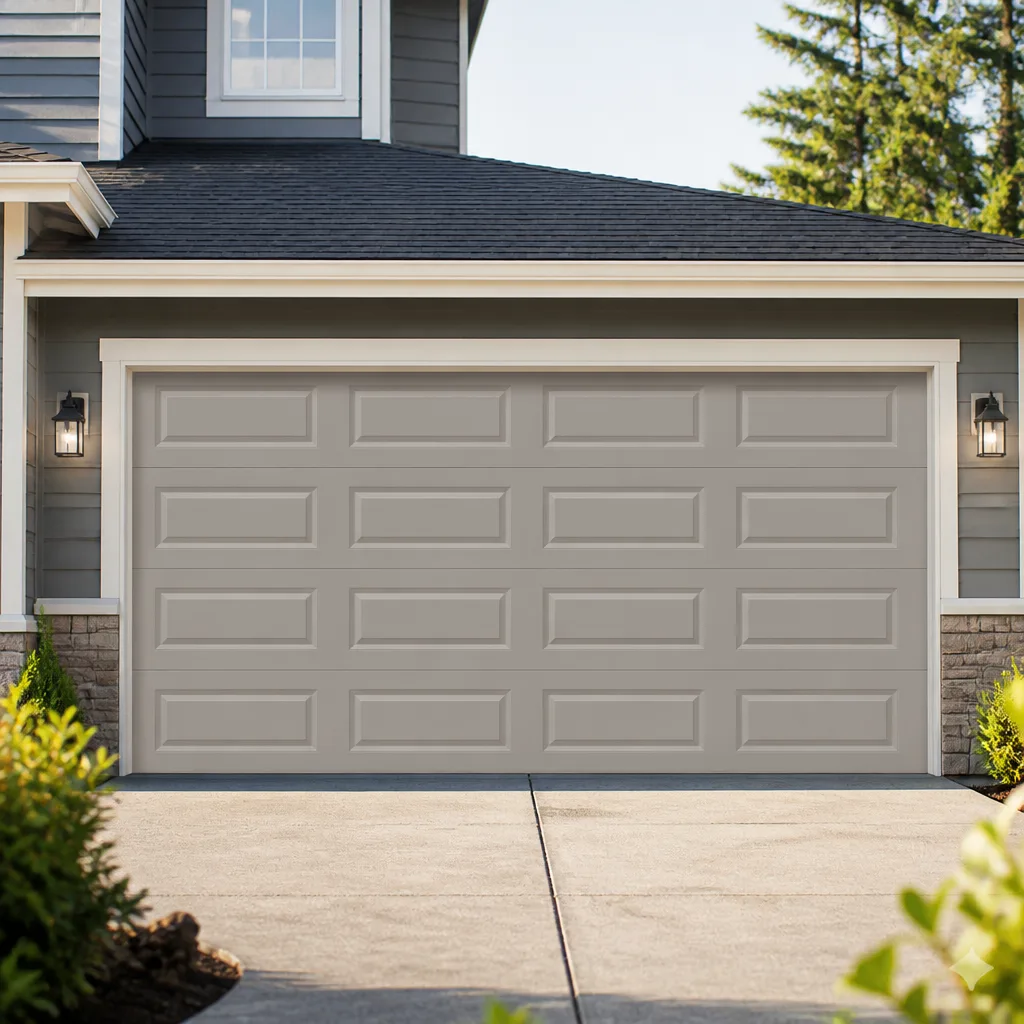 Raised-panel steel
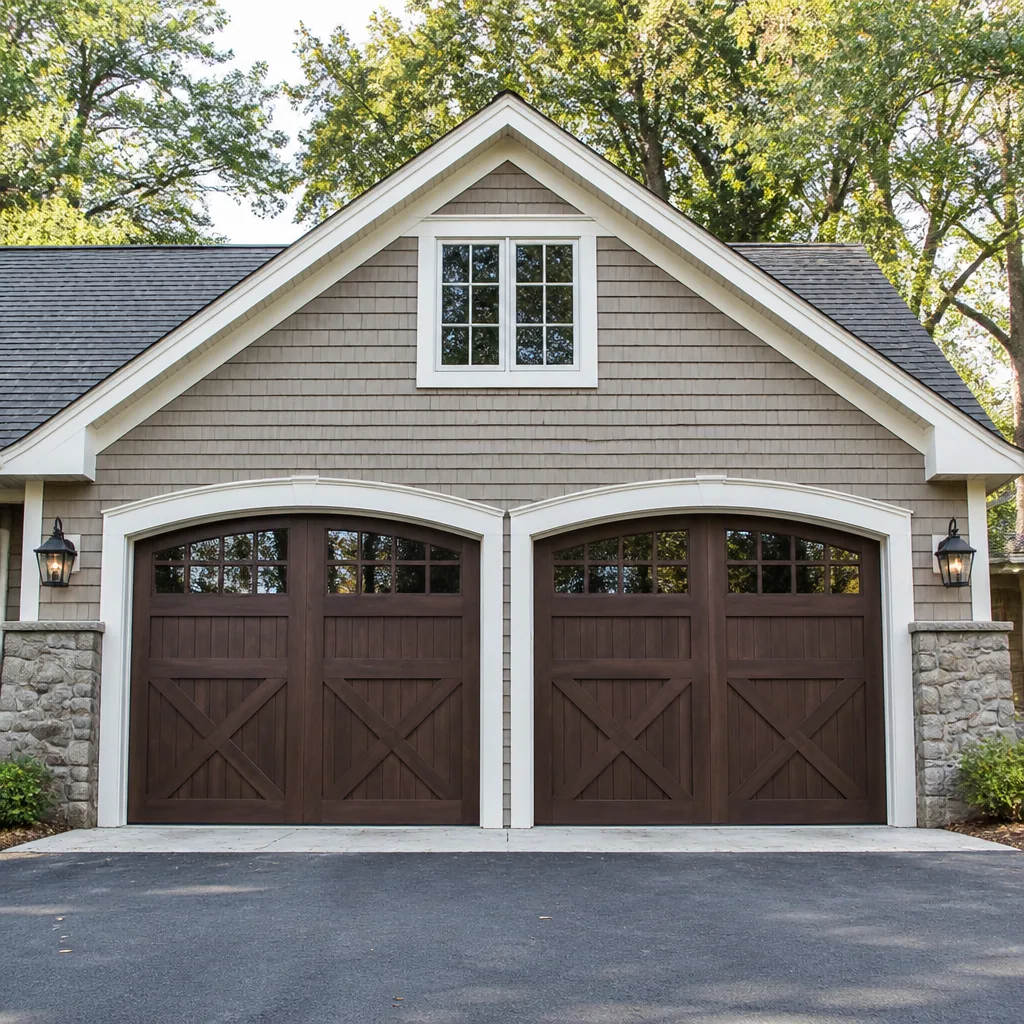 Carriage house
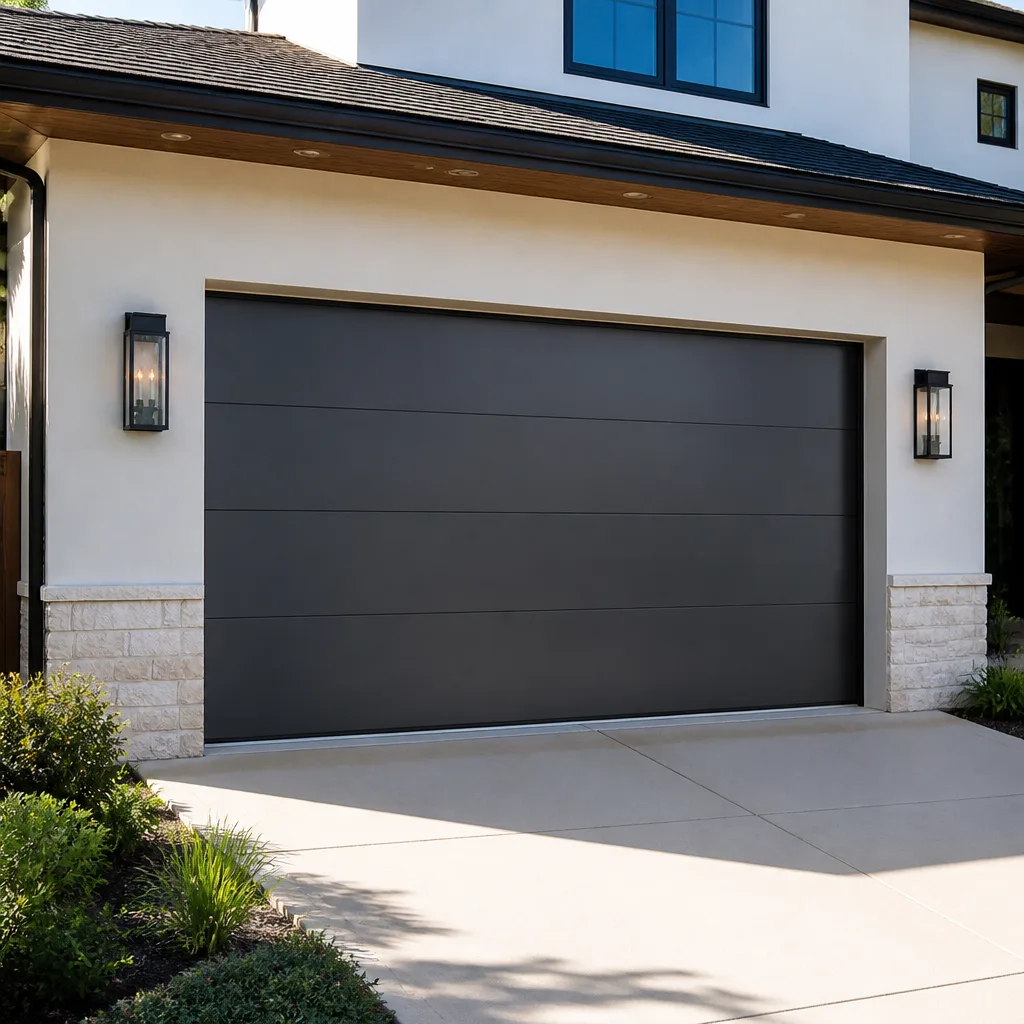 Modern flush
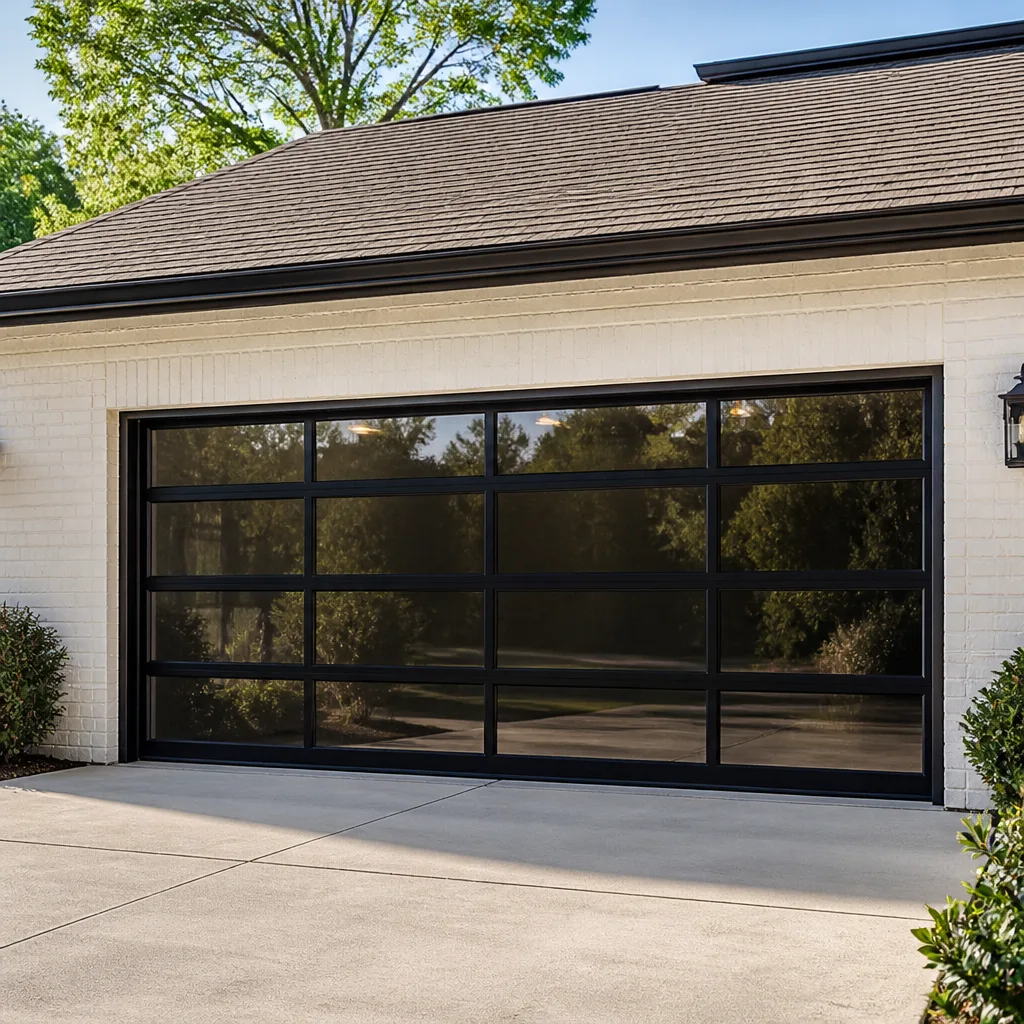 Full-view glass
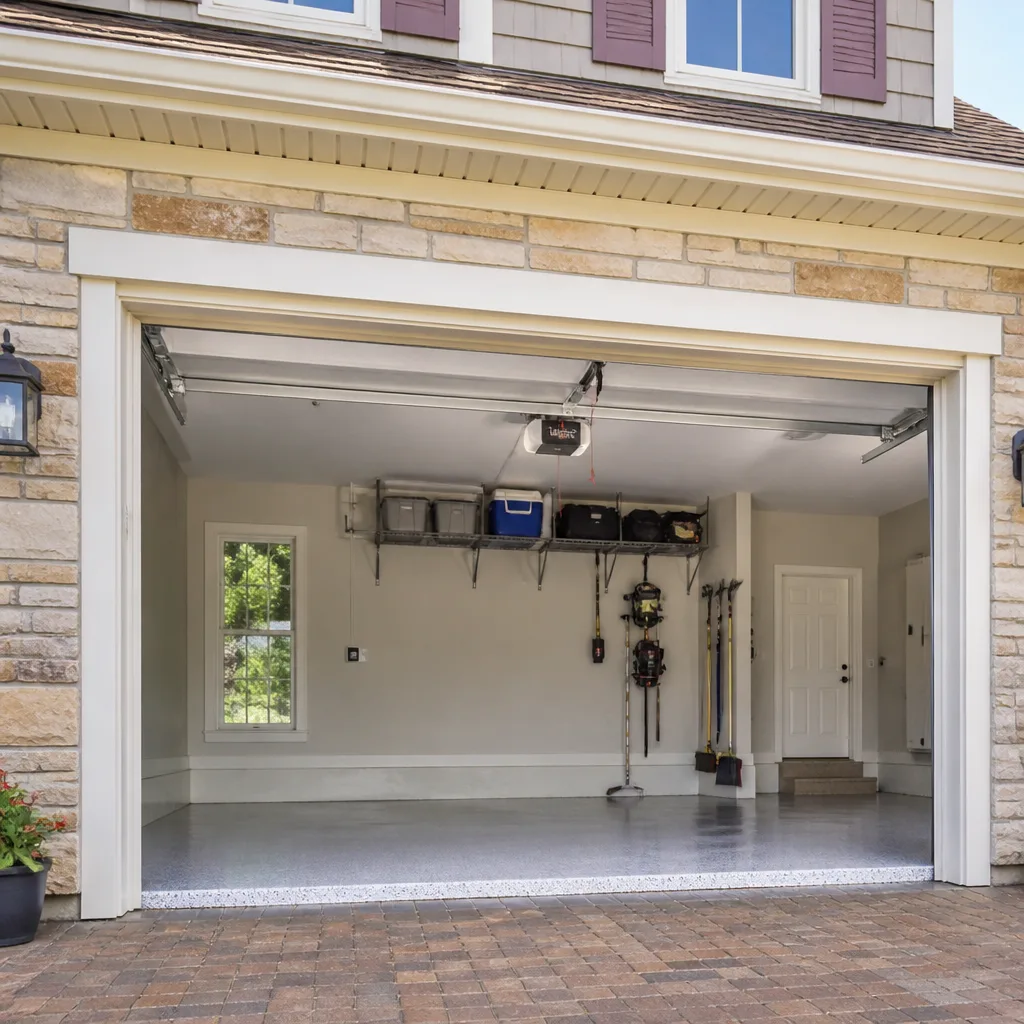 LiftMaster openers
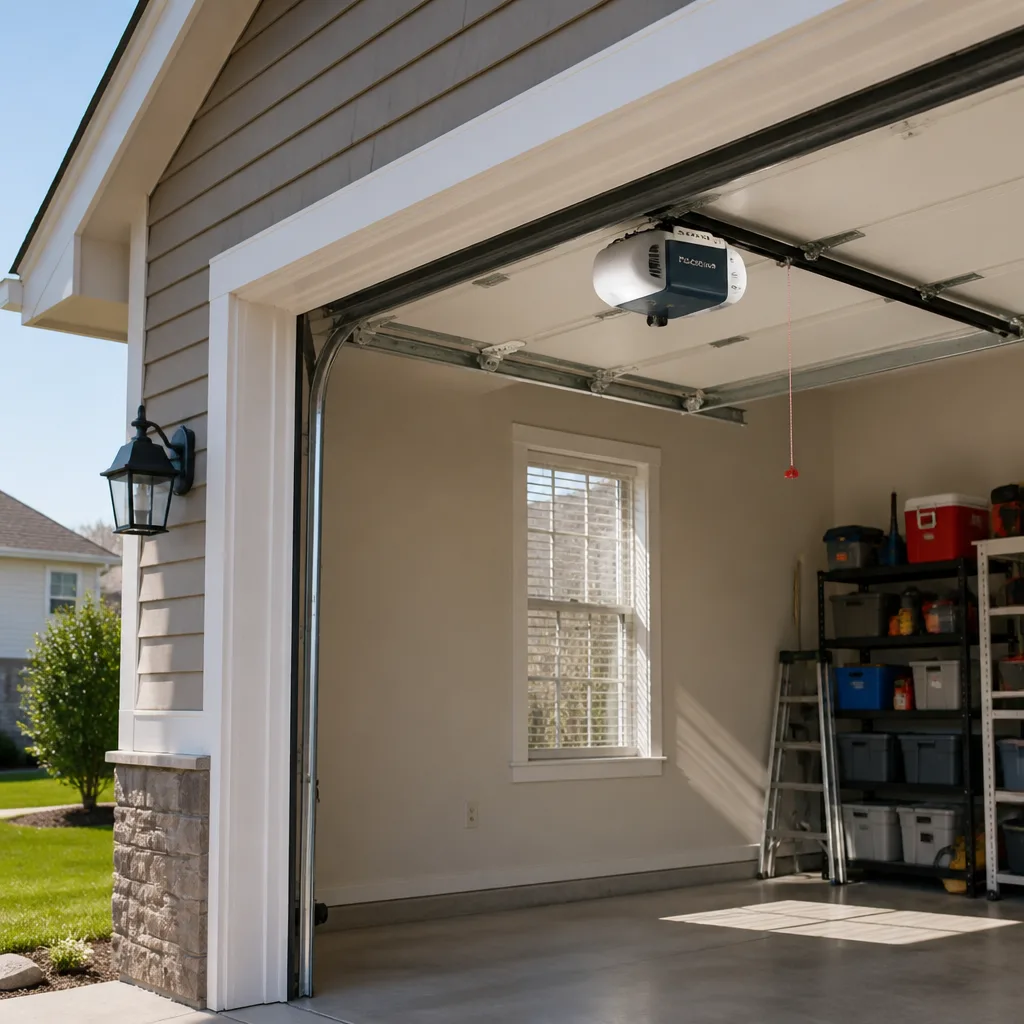 Chamberlain openers
Full 25-point door and opener safety check with every visit - springs, cables, rollers, tracks, and your LiftMaster or Chamberlain opener included
You get a price before we start. It does not change when the pro arrives.
Get your free estimateGarage Door Emergency Preparedness Guide for Santa Maria Homes
Most homeowners in Santa Maria think about their garage door exactly twice: the day it’s installed and the day it stops working. That ordering is backwards. The door is the largest moving object attached to your house, and in a real emergency it’s also your vehicle’s only exit. During the 2017 Thomas Fire evacuations, some Santa Barbara County residents couldn’t get their cars out because their openers had no power and they’d never practiced the manual release. That’s a solvable problem, and it’s solved long before the emergency starts. This guide walks through backup access, power-outage protocol, and pre-evacuation preparation specific to Santa Maria homes. You’ll learn how your release works, what to check, and when to stop and call.
Quick Answer
Every automatic garage door has a manual release that lets you lift the door by hand when the power is out, and every Santa Maria homeowner should know where that cord is and how it feels to pull it before you ever need to. Test it twice a year, keep the cord reachable, and don’t rely on battery backup unless your opener actually has it. If your door is stuck, jammed, or the release won’t engage, that’s a repair job, not a preparation task.
Styles & brands we work with
- Raised-panel steel
- Carriage house
- Modern flush
- Full-view glass
- LiftMaster openers
- Chamberlain openers
Table of Contents
- Why Your Garage Door Is Emergency Infrastructure in Santa Maria
- How to Use the Manual Emergency Release (by Brand)
- Battery Backup: What California Requires and How to Retrofit
- What to Do If Your Door Is Stuck Mid-Open or Mid-Close
- Pre-Evacuation Checklist for Your Garage Door
- Post-Fire and Post-Storm Inspection
- Common Mistakes to Avoid
- When to Call a Professional
Why Your Garage Door Is Emergency Infrastructure in Santa Maria
Santa Maria sits in a fire-prone region, and much of the city’s residential growth pushes toward the foothills where evacuation orders are most likely to arrive first. That changes what a garage door failure means. In a mild climate with no snow load to worry about and no freeze-thaw cycling to stress the door, the failure that matters most isn’t weather damage. It’s the door that won’t open when you need to leave.
Most Santa Maria homes have a two-car attached garage with a single automatic door and one opener. The opener, when it’s working, is invisible. When it isn’t, the whole house loses its primary vehicle exit, its main storage access, and often the only route for carrying things out. Under normal conditions that’s an annoyance fixed in a day. Under an evacuation order it becomes a problem with a clock on it.
There are three failure modes worth preparing for in this region specifically:
- Power loss during an evacuation order. The grid can go down before or during an event, and an opener without battery backup simply stops. The manual release is your fallback, but only if it works.
- Door jammed on debris or a failed spring. Wind-driven debris and ash can leave obstacles that stop the door mid-travel. A broken torsion spring makes the door too heavy to lift safely by hand.
- Door off its track after seismic activity. Santa Maria sits in earthquake country. A door that’s jumped its track after a shake should never be forced, opened, or trusted until it’s been inspected.
The common thread: the door’s condition on the day of the emergency is set by how it’s maintained on the ordinary days before it. That’s the premise behind our Halo Garage Door Repair approach, and it’s why we treat “balanced, tested, and safe to operate” as the finish line for every job.
How to Use the Manual Emergency Release (by Brand)
The manual emergency release disconnects the door from the opener so you can lift it by hand. It’s a cord hanging from the carriage on the opener rail, and pulling it detaches the door from the drive system. Every opener on the market works on the same principle, even though the cord’s location and feel differ between brands.
Here’s the general sequence. It’s the same on a LiftMaster, a Chamberlain, a Craftsman, a Raynor, or a Genie, but check the manufacturer’s manual for your specific model before you rely on it.
- Confirm the door is fully closed. Pulling the release with the door partly open lets it drop hard. Close it first if you can.
- Find the release cord. It hangs from the trolley/carriage on the rail above the door. On most LiftMaster and Chamberlain openers it’s a short cord with a red or T-shaped handle. Craftsman openers of a certain vintage use the same housing and have an identical setup.
- Pull straight down firmly. You should feel it click and hear the trolley release from the door arm. If it doesn’t move, don’t yank harder. Something is jammed and needs inspection.
- Lift the door by hand to open it. A properly balanced door lifts with one hand. If it feels like lifting a car, the springs are broken or unbalanced and you should stop. That’s a repair, not a release problem.
- To re-engage, lower the door fully, then pull the release cord again or run the opener once to reattach the trolley. Check the door’s travel and balance before you trust it again.
Now the part most homeowners miss. The release has to be reachable. Vibration, door travel, and time have a way of pulling the cord into a tangle, and we’ve seen cords zip-tied up to stop them swinging, which defeats the entire mechanism. If your cord is looped, tied, tangled in the rail, or too short to grab from the floor, fix it now, not during an evacuation. Santa Maria homes with high garage ceilings often have a release cord that’s out of reach for shorter family members, and that’s a real safety gap on a house where every adult should be able to open the door by hand.
Battery Backup: What California Requires and How to Retrofit
California requires that new automatic garage door openers sold in the state include a battery backup, so that a loss of power doesn’t block the door from opening. That’s the general context. It means openers purchased today come outage-ready, while openers installed years ago typically don’t. If you’re not sure which you have, look at the opener housing and check the manual for a battery compartment, or ask us and we’ll tell you.
If your opener predates the mandate, you have three realistic paths:
- Retrofit a battery backup kit compatible with your opener’s brand and model. This is the least invasive option and keeps your existing drive system in place.
- Replace the opener with a current model that has backup built in. If the opener is near the end of its practical life, this is the cleaner long-term move.
- Rely on the manual release. It works, but only if everyone in the household knows how to use it and the cord is accessible. Don’t count on this alone if the door is heavy or the release is hard to reach.
Retrofitting isn’t a universal one-size install. Battery backup kits are matched to specific drive types, and the wiring and mounting depend on the model. For homeowners with a LiftMaster or Chamberlain opener, the manufacturer offers compatible kits. Older Craftsman and Genie units vary, and that’s where a qualified technician saves you from buying the wrong thing. Our garage door opener repair service covers the electronics and drive systems, including the brands most generic installers shrug at. If you’re near the base and want to know what’s needed, that page and the Vandenberg AFB service area are the right starting point.
One thing to test: a battery backup that has never been tested isn’t really a backup. Any opener with backup should be tested under load by unplugging the opener and running the door one full cycle. If it stalls, the battery is dead and needs replacement.
What to Do If Your Door Is Stuck Mid-Open or Mid-Close
A door stuck mid-travel is the most common emergency call we get, and the right response depends on whether the opener is still powered. The door cannot simply be left hanging; it can drop or close unexpectedly. What follows is the safe approach, not a DIY repair tutorial.
- If the opener has power and the door is stuck: don’t keep pressing the remote. Repeated attempts stress the opener’s logic board and can burn out the motor. Disconnect power at the wall switch or the breaker.
- If the door is partly open and the power is off: don’t stand under it. A door held up by a stretched spring or a bound track can let go. Call us before you touch it.
- If you need to close a stuck-open door: the manual release may let you lower it by hand. But a door that feels heavy on the way down is one being held up by failing hardware, and forcing it can damage panels or the opener arm.
- If the door is off its track: stop. Don’t try to lift it back into the track. Off-track doors are a job for a trained technician because rollers under load are dangerous to handle.
The heavy-lifting rule applies to every scenario: torsion springs and the cables that run with them are under extreme tension, and the parts can cause serious injury if handled wrong. Never try to adjust or replace a spring or a cable yourself. If you don’t know whether your spring is the problem, ask before you pull. That’s the difference between diagnosis and guesswork, and it’s central to how we work.
If your door is jammed and you’re in Santa Maria, call garage door repair for a same-day assessment. We answer 24/7. Fast dispatch from 7am to 7pm, Sunday through Friday.
Pre-Evacuation Checklist for Your Garage Door
This is the section to print and stick on the wall of the garage. It’s a list you check every fire season, not during one. When an evacuation order arrives, you won’t have time to remember what to check. The goal is that when the order comes, your only job is to load the car and go.
Every spring and fall, do these checks:
- Pull the manual release and lift the door by hand. A balanced door should lift with one hand. If it takes two, or comes down hard, it’s out of balance and needs service.
- Confirm the release cord is free of tangles, zip ties, and hooks. The cord should hang straight and be reachable from standing height.
- Check that everyone in the household, including teenagers and adult visitors, knows where the release is and has pulled it once.
- Test the battery backup by unplugging the opener and running a full cycle.
- Clear the garage floor of anything that blocks the door’s travel. A stray bike or box that gets under the door during a power failure can jam it mid-lift.
- Check the door’s balance by disconnecting the opener and lifting the door halfway. It should hold roughly where you put it.
- Clean and inspect the tracks for dents, debris, and anything that could keep the door from traveling smoothly under manual power.
- Make sure the door’s photo-eye sensors aren’t blocked and that the wall switch is easy to reach without stepping over anything.
Santa Maria’s dry season is long, and the ash and dust that settle after any nearby fire can jam a track’s rollers. A quick wipe down and a vacuum of the tracks each fall does more for emergency readiness than any gadget. Do these eight checks and you’re far ahead of most homeowners.
Post-Fire, Post-Storm, and Post-Quake Inspection
A door that just survived a fire, a windstorm, or a shake is a door that hasn’t been tested since. It may look fine and still be unsafe. Smoke, ash, and debris can jam tracks and coat the rollers. Wind-blown material can bend panels. Seismic movement can knock the door slightly off its track without any obvious sign until the opener tries to run. Before you trust the door again, do the following inspection.
- Look at the tracks. Any bend, twist, or debris lodged in the rails needs to be cleared before the opener runs.
- Check the panels and hinges for warping, dents, or gaps you didn’t see before.
- Inspect the springs and cables for visible wear. Don’t touch them. Look, don’t handle.
- Manually move the door by hand with the opener disconnected. It should move smoothly and evenly on both sides.
- Clear ash and debris from the tracks and rollers before powering the opener back on.
- Test the safety reverse feature with a small object under the door once the door is confirmed to open and close cleanly.
If anything feels wrong, or the door hesitates, grinds, or doesn’t move evenly, stop using it. A door running on bent hardware can fail mid-cycle. For a home in Santa Maria, the safest move after an event is a professional inspection that includes balance and force testing. We treat that finish line the same whether the door was fine or foul. If it’s not safe to operate, the job isn’t done.
Common Mistakes to Avoid
- Not testing the release until you need it. A release cord that’s never been pulled often doesn’t work when pulled the first time, because the trolley has seized or the cord is bound.
- Zip-tying or shortening the release cord to stop it swinging. This looks like a tidy fix and makes the door impossible to release by hand when the power is gone.
- Assuming every opener has battery backup. Many older openers in Santa Maria homes don’t. Check the model, don’t guess.
- Forcing a heavy door by hand. A door that’s hard to lift almost always has a broken spring or is out of balance, and forcing it can damage panels or injure the person lifting. Springs and cables are safety-critical components; never adjust or replace them yourself.
- Running the opener repeatedly when the door is stuck. Repeated attempts burn out the motor and logic board. Disconnect power and diagnose first.
- Ignoring a door that’s off its track or has a bent panel after a storm or quake. It may look fine until the opener runs, and then it’s too late.
- Storing the emergency plan in your head. Every household member should practice the manual release at least once. Knowing the cord exists isn’t the same as knowing how to pull it.
When to Call a Professional
Some things are preparation. Some things are repair. The line between them is the moment the door stops working properly or the hardware looks suspect. Call a professional if:
- the manual release won’t engage, feels stuck, or the cord can’t be reached
- the door feels heavy when lifted by hand or won’t hold its position
- the door is stuck mid-travel or off its track
- you see a broken spring or a frayed cable
- the door has been exposed to fire, wind debris, or shaking and you haven’t had it inspected
- the opener runs but the door won’t move, or the door won’t fully close
- the door is out of balance or the safety reverse feature fails testing
Halo Garage Door Repair offers free estimates in Santa Maria. Call (866) 361-7506. We answer 24/7. Fast dispatch from 7am to 7pm, Sunday through Friday. Our technicians have up to 15 years of experience, and we work on the brands Santa Maria homes actually have, including LiftMaster, Chamberlain, and Raynor. Whatever’s wrong, we diagnose it before we quote it, and we quote the price before any work starts.
See the difference
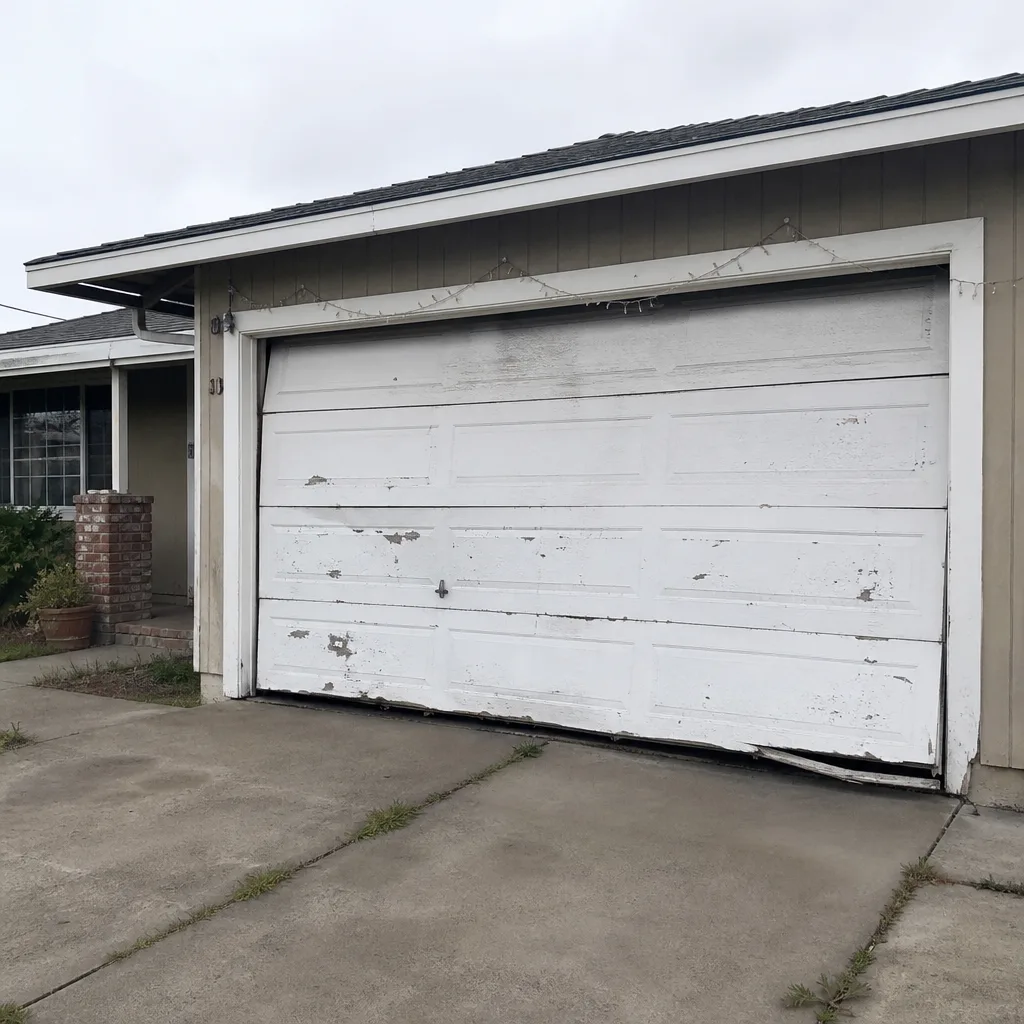 Before
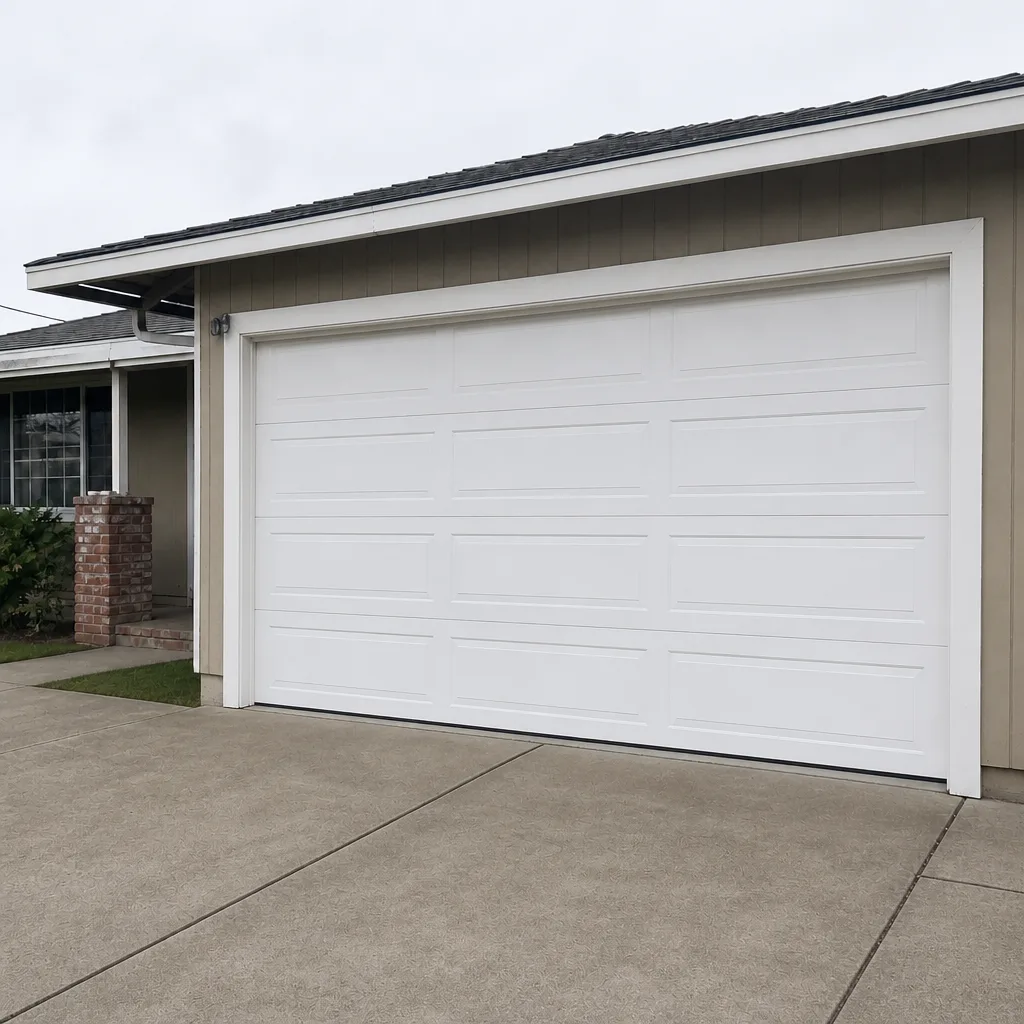 After
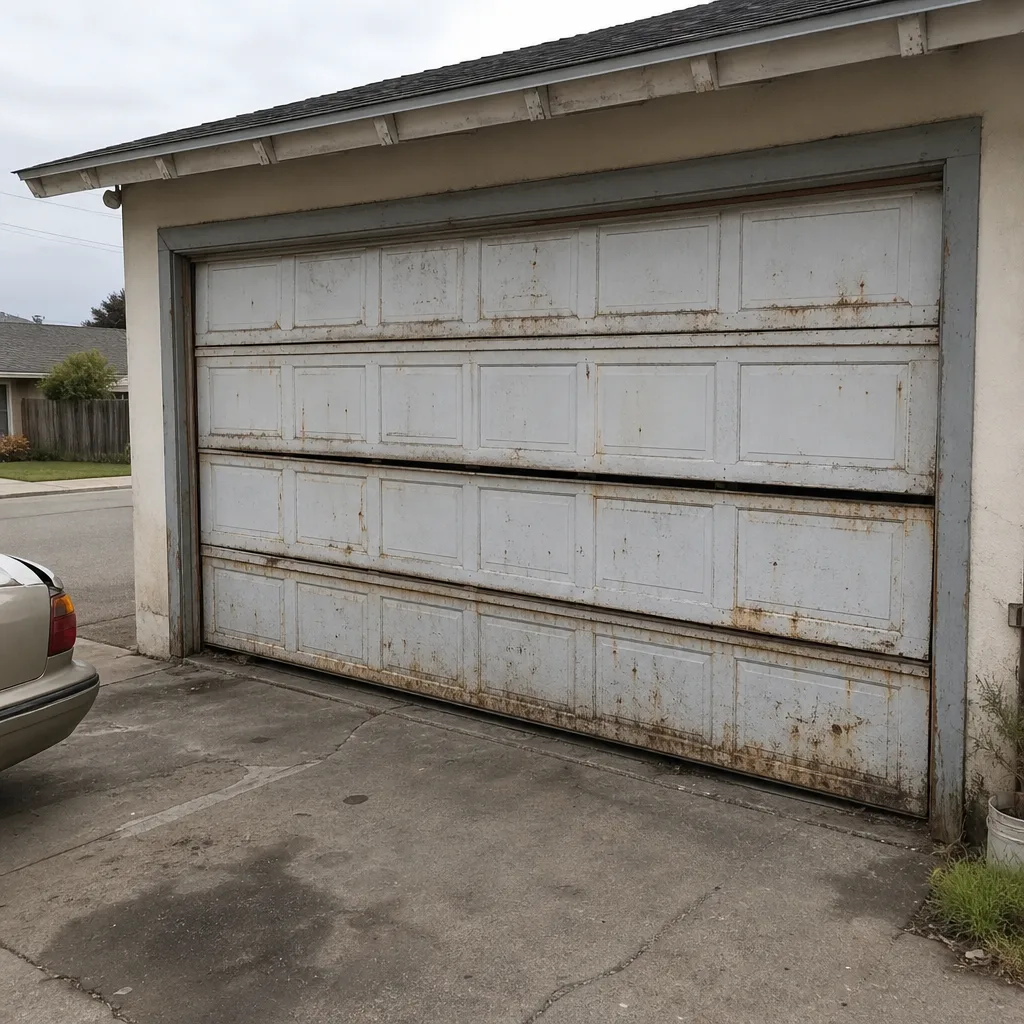 Before
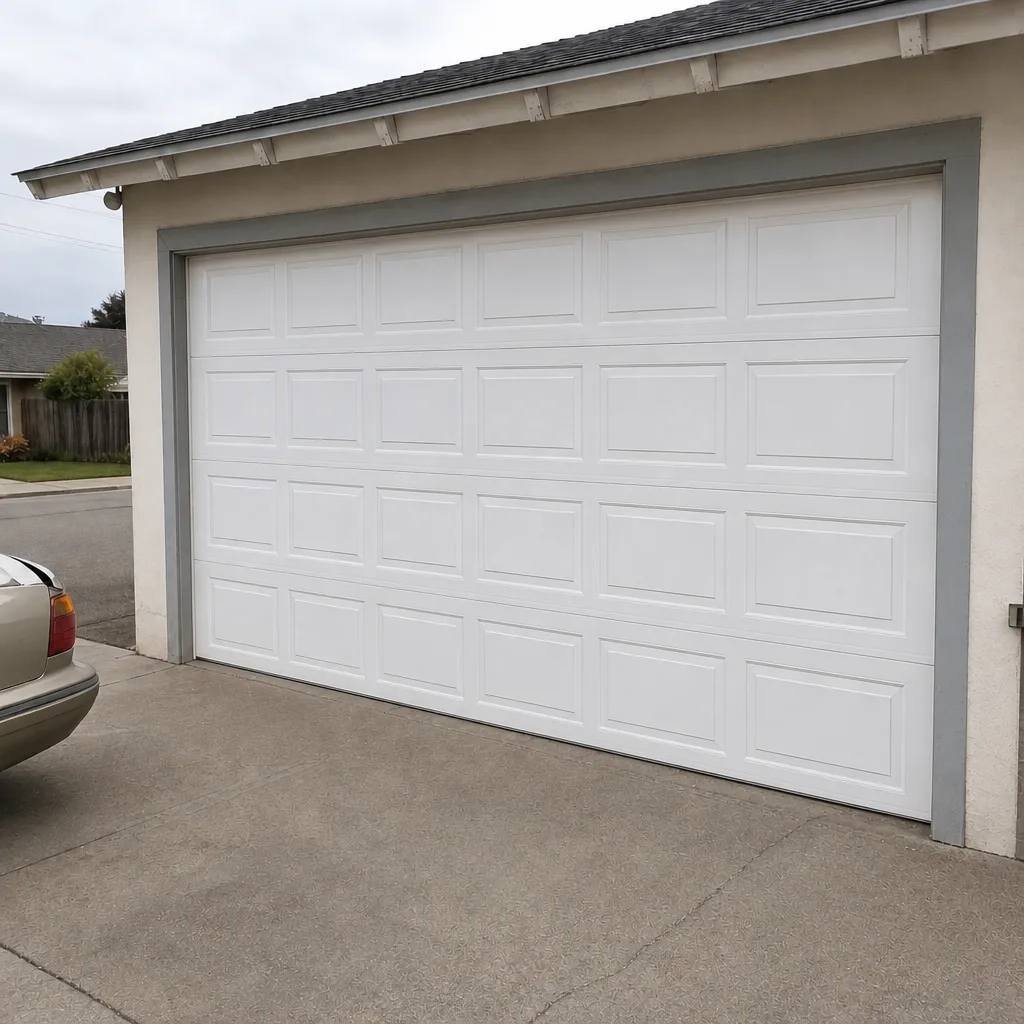 After
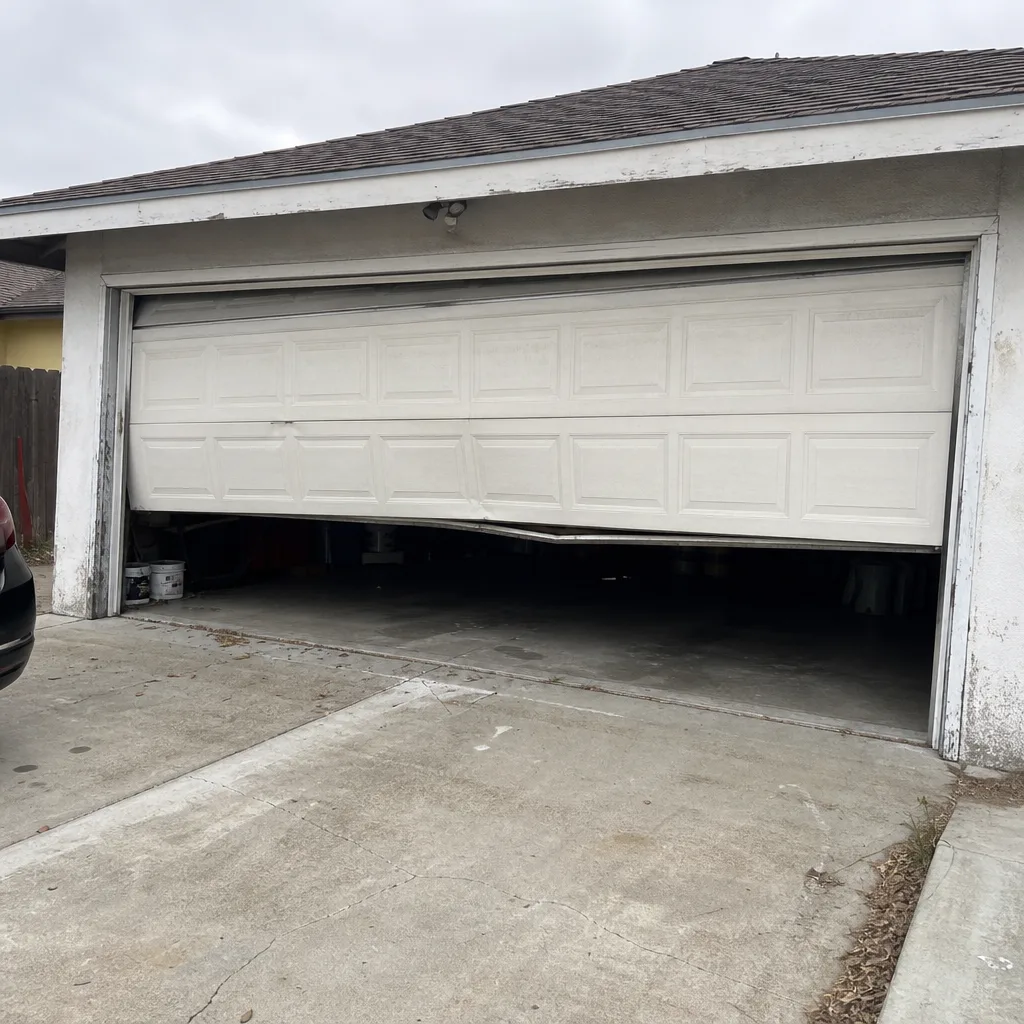 Before
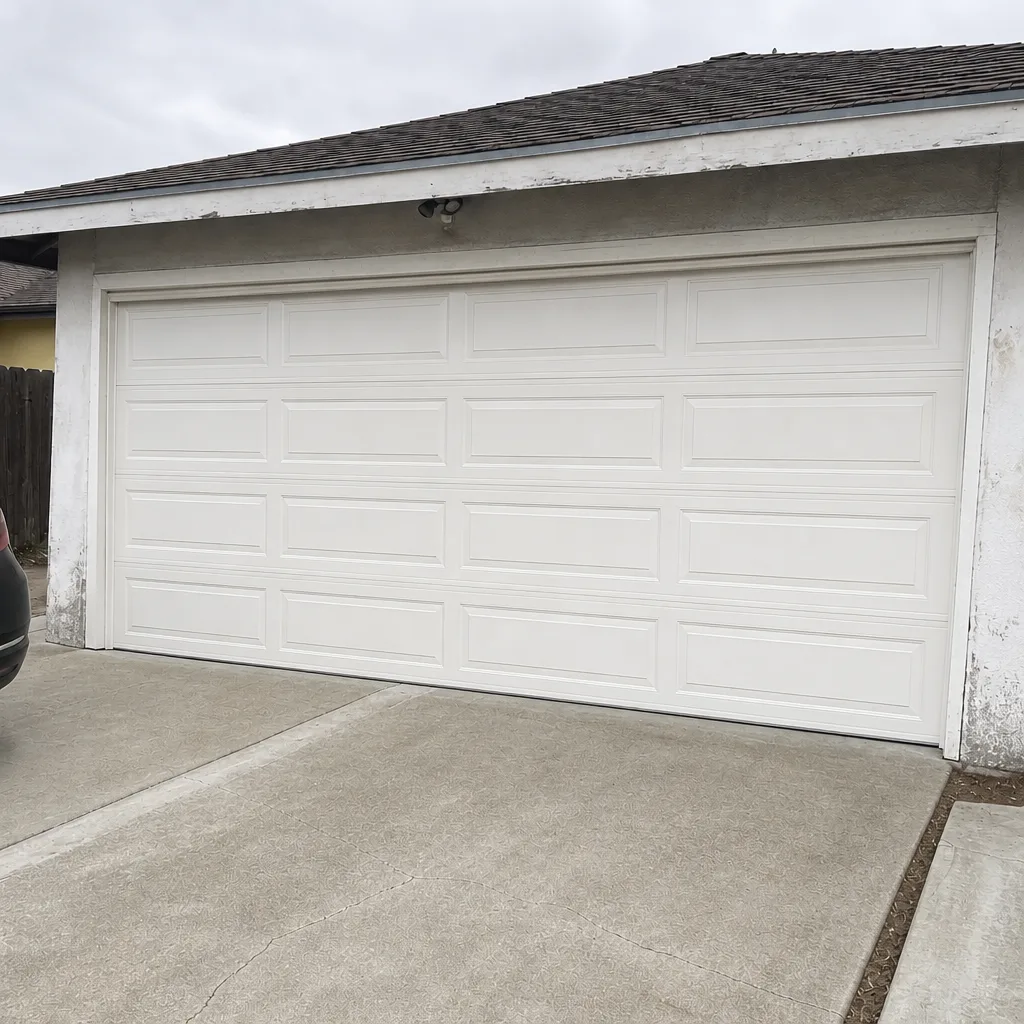 After
Frequently Asked Questions
Yes. Every automatic door has a manual release cord that disconnects the door from the opener so you can lift it by hand. Pull straight down on the cord, confirm the door feels light, and lift. If the door feels heavy, the springs may be broken and you should stop and call us.
Maybe. Newer openers sold in California are required to include battery backup, but openers installed years ago often don’t. Check your opener’s manual or look for a battery compartment in the housing. To test a backup you have, unplug the opener and run one full cycle. If the door stalls, the battery needs replacement.
Repair costs vary by part and door type, and the price we give you is set by a free written estimate before any work starts. We don’t quote a range that doesn’t fit your specific door. Call (866) 361-7506 for an exact quote. Estimates are free.
A door stuck mid-travel usually means the opener has lost power, a spring has failed, the track is obstructed, or the trolley/arm has come loose. Don’t keep pressing the remote. Disconnect power and call. Forcing it can damage the opener arm or the door panels.
In most cases, yes. We answer 24/7 and offer same-day repair on common issues. Fast dispatch from 7am to 7pm, Sunday through Friday. Call (866) 361-7506 and we’ll give you a window.
Yes. Our technicians are licensed and insured. Every job ends with the door balanced, force-tested, and safe to operate. For a free estimate in Santa Maria, call (866) 361-7506.
Check the tracks for bends, look for any visible damage to panels or hinges, and test that the door moves smoothly by hand with the opener disconnected. If it hesitates, grinds, or feels uneven, don’t run the opener. Call for an inspection before you trust the door again.
Yes, check it. Ash and debris can settle on the trolley and bind the release. Make sure the cord hangs free, isn’t tangled, and that everyone in the household can reach it from standing height. If it’s bound or jammed, that’s a repair call, not a prep task.
The Bottom Line
Your garage door is the largest moving part of the house and, during a real emergency, its most important exit. The Santa Maria homes that come through a fire season, storm, or shake with the door working are the ones where the door was tested before it was needed. Pull the release twice a year. Confirm the door lifts by hand. Check the battery backup if you have one. Keep the cord reachable and untied. And if the door is stuck, heavy, jammed, or exposed to an event, don’t force it: call and get it diagnosed. Preparedness is a habit. Repair is a phone call.
Call (866) 361-7506 for a free estimate. We answer 24/7. Fast dispatch from 7am to 7pm, Sunday through Friday. When your door won’t open, the team at Halo Garage Door Repair is here.
Written by the team at Halo Garage Door Repair.