
Last updated November 15, 2026
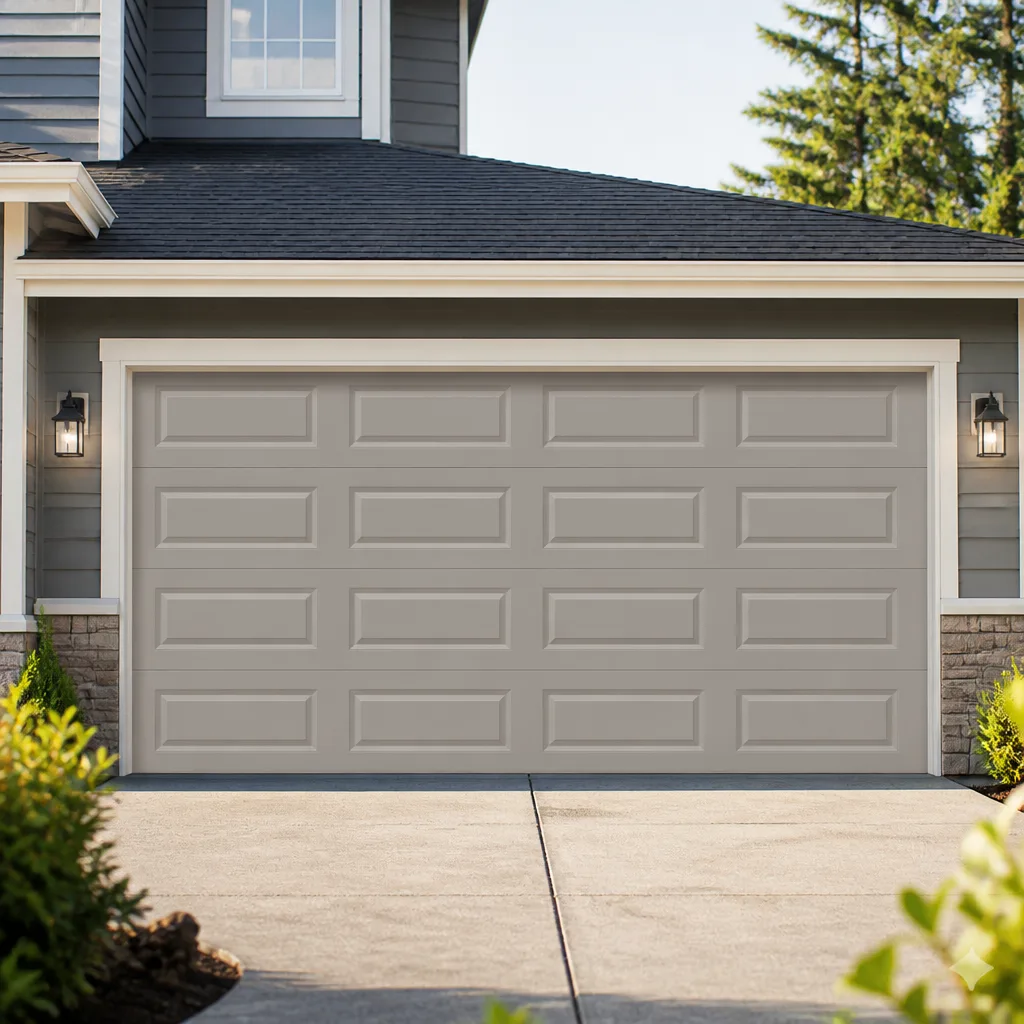 Raised-panel steel
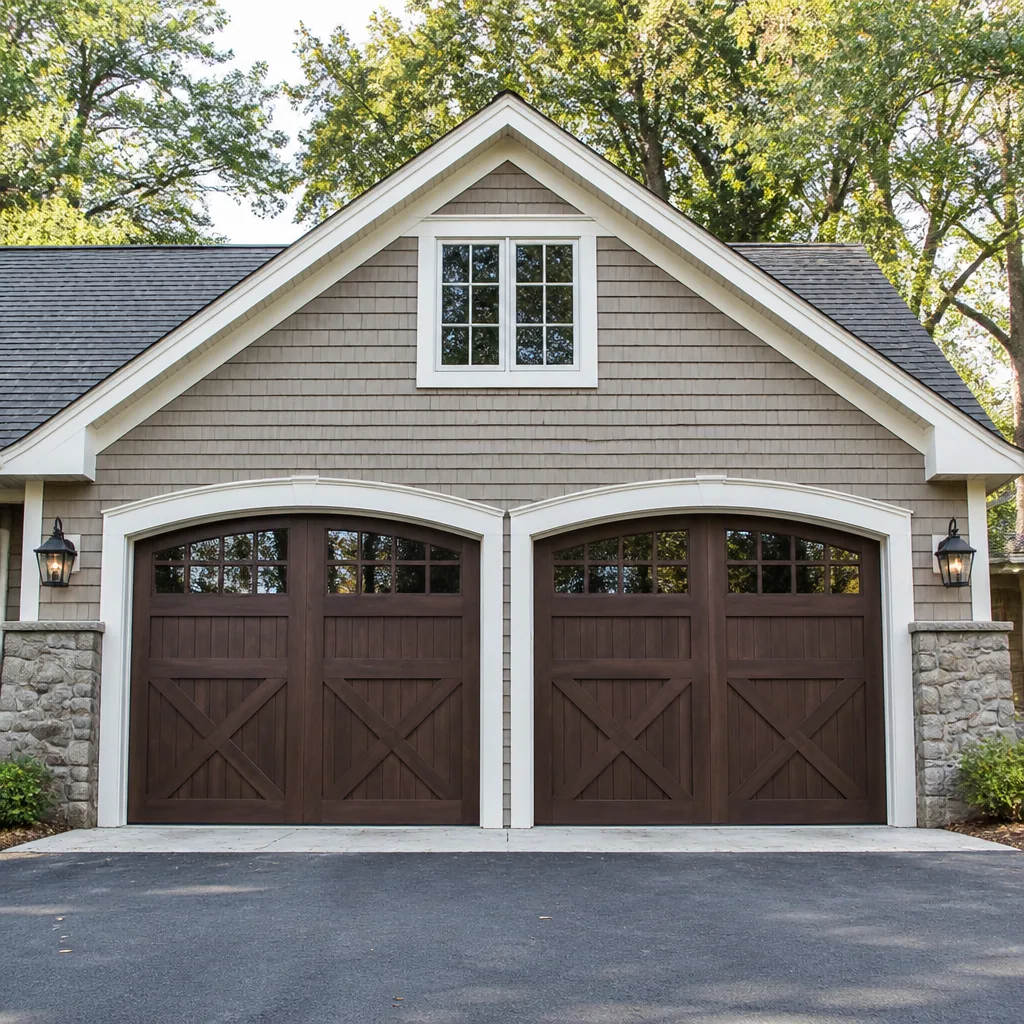 Carriage house
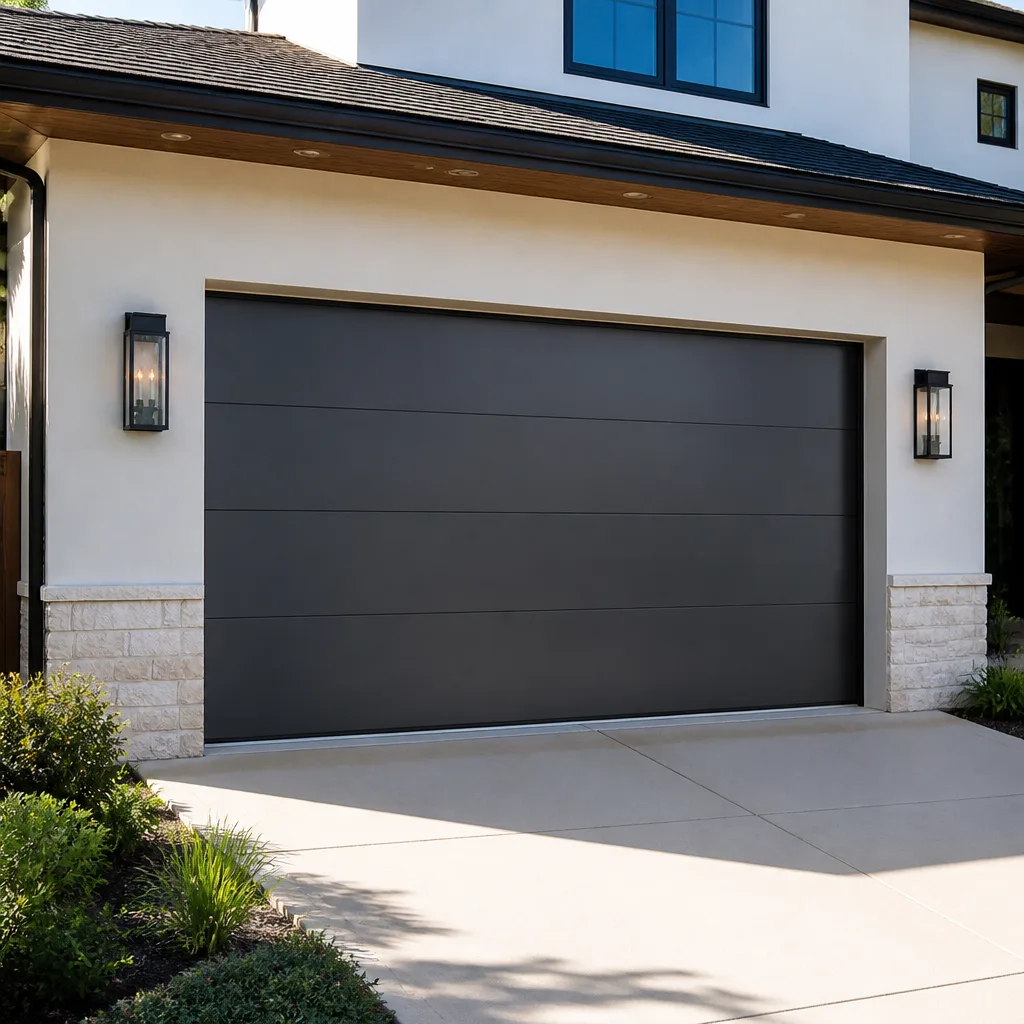 Modern flush
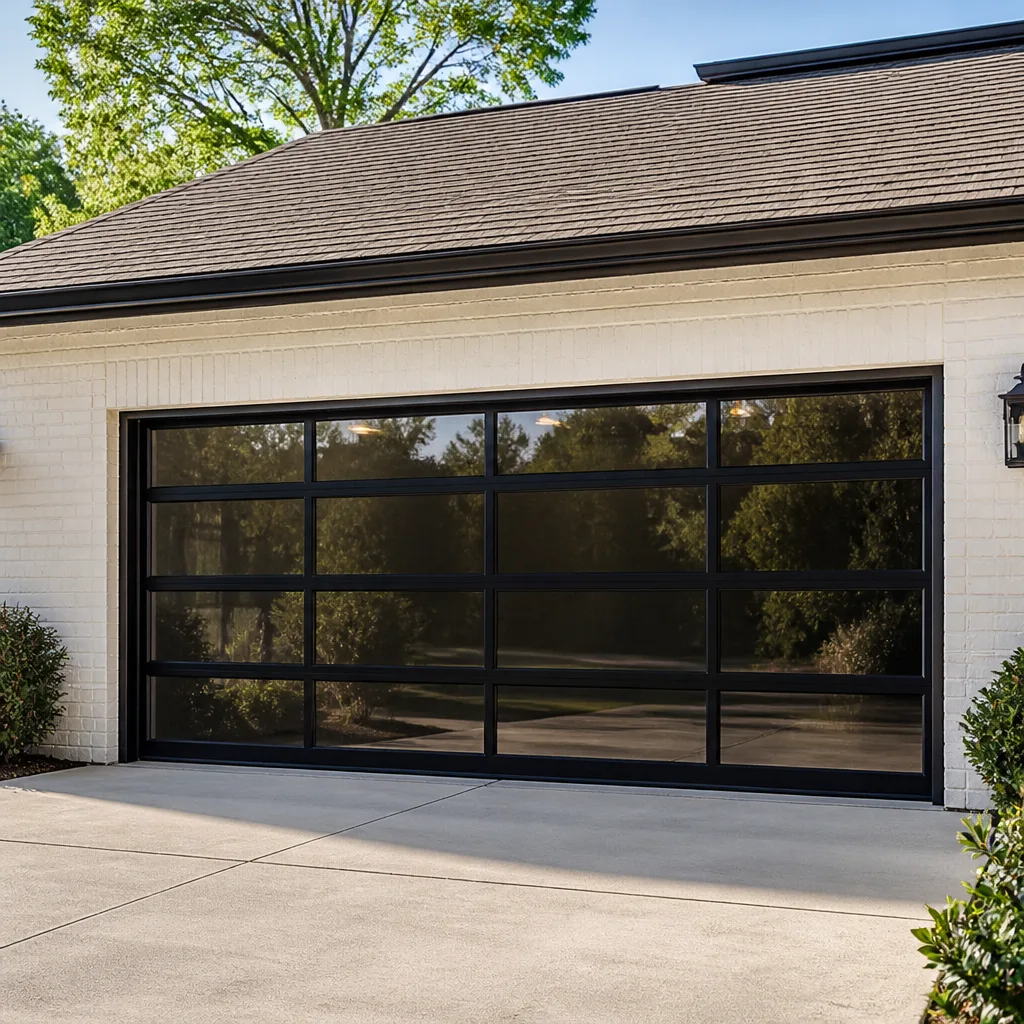 Full-view glass
 LiftMaster openers
 Chamberlain openers
Full 25-point door and opener safety check with every visit - springs, cables, rollers, tracks, and your LiftMaster or Chamberlain opener included
You get a price before we start. It does not change when the pro arrives.
Get your free estimateGarage Door Repair Troubleshooting in Santa Maria: Common Problems and How to Fix Them
The most expensive mistake in garage door troubleshooting is fixing the wrong thing. A door that reverses before it touches the ground gets a new set of sensors more often than it needs one, when the real problem is usually a track that’s been knocked a half-inch out of line. A noisy door gets a can of lubricant sprayed on everything, when the noise is actually coming from a worn hinge or a loose bolt. Both fixes feel like maintenance. Neither solves the problem. In Santa Maria, we see this pattern constantly, and it’s almost always avoidable. This guide shows you how to trace a garage door failure back to its actual source, separate the problems that are safe to check yourself from the ones that aren’t, and know exactly when a call makes more sense than a Saturday on a ladder.
Quick Answer
Most garage door problems fall into four diagnosable systems: the opener, the springs and cables, the tracks and hardware, and the safety sensors and logic board. Troubleshoot them in that order, check the simplest thing first, and don’t replace a part until you’ve confirmed it’s the actual failure point. If you hear a loud bang and the door won’t lift, or you see a snapped cable or a bent track, stop and call a professional. Free estimates in Santa Maria are available at (866) 361-7506.
Styles & brands we work with
- Raised-panel steel
- Carriage house
- Modern flush
- Full-view glass
- LiftMaster openers
- Chamberlain openers
Table of Contents
- The Four-System Diagnosis Framework: What’s Actually Failing?
- What’s Safe to Troubleshoot Yourself vs. What Isn’t
- “Door Reverses Immediately” vs. “Door Stops Midway”: Two Very Different Problems
- How Santa Maria’s Climate Affects Your Garage Door
- Brand-Specific Quirks: Why Blink Codes Don’t Mean the Same Thing Twice
- Common Symptoms and What They Usually Point To
- Repair or Replace? How to Decide
The Four-System Diagnosis Framework: What’s Actually Failing?
Every garage door system has four subsystems that work together, and a problem in one often produces symptoms that look like another. Before you touch anything, walk through each system in order. This is the difference between a diagnosis and a guess.
- The opener. The motor, the logic board, the drive system (belt, chain, or screw), and the wall control. Symptoms here include blinking lights, a motor that hums without moving the door, a remote that doesn’t respond, or a door that moves a few inches and stops.
- The springs and cables. Torsion springs (a horizontal bar above the door) or extension springs (running along the sides). These counterbalance the door’s weight. Symptoms here include a loud bang, a door that feels extremely heavy, a visible gap in a spring coil, or a frayed or slack cable.
- The tracks and hardware. The vertical and horizontal tracks, rollers, hinges, and brackets. Symptoms here include a door that binds, shudders, is crooked on one side, or comes off its track.
- The sensors and safety logic. The photo-eye sensors near the floor, and the safety reversing system the opener uses to detect obstructions. Symptoms here include a door that closes partway and reverses, a door that won’t close at all, or a sensor light that’s off or flickering.
The order matters. If you start with the sensors and they’re fine, you’ve confirmed nothing except that the sensors are fine. If you start with the opener and it’s functioning, you’ve narrowed the search. System-based diagnosis is the only reliable way to find the root cause on the first pass. At Halo Garage Door Repair, this is how every job starts, regardless of brand. We work with Genie, Clopay, Amarr, Wayne Dalton, and the other major names because the diagnostic process is the same once you know what each system should be doing.
One practical note for Santa Maria homeowners: write down what you observe before anything else. “Door goes up fine but comes down about a foot then stops, then goes back up” is far more useful than “door is broken.” The specific symptom sequence tells a technician which system to look at before they even arrive.
What’s Safe to Troubleshoot Yourself vs. What Isn’t
The line between safe owner maintenance and a genuine injury risk cuts through the middle of garage door troubleshooting, and it’s worth knowing exactly where it falls. Some checks take five minutes with no risk. Others have killed people.
Safe to check yourself:
- Testing the safety sensors by standing in the door’s path and watching for a reversal (use a box or object, never a person).
- Wiping the sensor lenses with a soft cloth to remove dust or cobwebs.
- Realigning a sensor bracket by hand if it’s clearly knocked out of aim.
- Testing the opener’s auto-reverse by placing a roll of paper towels under the door and letting it close.
- Checking whether the opener’s force settings are at their default position and resetting them if someone has turned them up or down.
- Looking at the door’s balance by disconnecting the opener and lifting the door to about halfway, then letting go. It should stay in place. If it drifts down, the springs are losing tension.
- Clearing debris from the tracks and checking that rollers are seated in the track channels.
- Checking whether the wall outlet that powers the opener is live and the opener is actually receiving power.
Not safe to attempt yourself:
- Adjusting, winding, or replacing torsion springs. These hold enormous tension and can release violently if the winding bars slip. This is the most dangerous part of the entire door system.
- Working on the cable drums or the cables themselves. A cable under tension that snaps back can cause serious injury.
- Replacing or adjusting the bottom bracket, which is under cable tension.
- Removing the opener from its rail if the door is unsecured.
- Straightening a bent track while the door is under spring tension.
If you’re not sure which category something falls into, treat it as the second category. Our technicians have up to 15 years of experience and they treat spring and cable work with genuine respect every time. That’s the right standard. For anything in that second list, call garage door repair professionals rather than attempting it yourself.
“Door Reverses Immediately” vs. “Door Stops Midway”: Two Very Different Problems
These two symptoms get lumped together constantly, and they point to entirely different root causes. Get them confused and you’ll spend money on parts that weren’t the problem.
Door reverses immediately after starting to close
This is a safety-logic problem, and in most cases it’s sensor-related. The opener interprets an obstruction as soon as the door starts moving, so it snaps back up before the door has traveled more than a few inches. The most common causes, in order of likelihood:
- The photo-eye sensors are misaligned by a fraction of an inch, so the beam is broken.
- The sensor lenses are dirty with dust, pollen, or spider webbing.
- The sun is hitting a sensor lens directly, washing out the receiver’s ability to read the beam.
- The sensor wiring is loose at the back of the opener or has been chewed or damaged.
- The sensor’s small indicator light is out, which means the sensor itself has failed.
- The opener’s travel limits have drifted and need resetting.
Notice that “the sensors are broken” is one option out of six. In our experience, a full sensor swap is the least common fix. Alignment and cleaning solve it far more often, and neither involves replacing a part.
Door stops midway, sometimes reverses, sometimes just hangs
This is a mechanical or drive-system problem. The door is being physically resisted, so the opener’s force limit is being exceeded and it either reverses or stops. This means one of four things is happening:
- The door is binding in the tracks because the door is out of level or the track is bent.
- The springs have lost tension and the door is heavier than the opener can manage.
- A roller is jammed, seized, or popped out of the track.
- The opener’s drive gear is worn, stripped, or slipping. This is a common failure in chain-drive units that have logged years of daily use.
Consider the difference: the first problem is about sensors and logic, and the second is about weight, binding, and drive. They don’t overlap. A door that reverses at the start never gets far enough to test the mechanical balance, and a door that stops midway isn’t a sensor problem unless the beam happens to break exactly at the point where the door jams. Check the start-reverse in five minutes. If it clears that hurdle and still stops partway up or down, stop troubleshooting the sensors and start looking at the tracks and the springs.
How Santa Maria’s Climate Affects Your Garage Door
Garage doors on the Central Coast live in a climate that’s kind to neither wood nor metal. The temperature swings between the coast and the inland valley push the two in opposite directions, and over time the door feels it.
Santa Maria sits in a coastal valley where cool marine air settles overnight and warm inland air pushes through during the day. That daily swing is modest compared to inland California, but it’s enough to cause real movement in wood components. A wood door, or a wood frame around a metal door, will swell slightly during a humid stretch and contract again when the air dries out. This causes two familiar problems: wood doors that suddenly won’t close flush because the hinges have bound or the door has swelled into the frame, and metal hardware that loosens over time as expansion and contraction work the fasteners back and forth.
The wind corridors around Vandenberg AFB and the surrounding valley have their own effect. A house in Vandenberg AFB or out toward Orcutt sees more gust exposure than a house in a downtown Santa Maria neighborhood with trees on three sides. Wind loads a door unevenly, and over years that load shows up as track misalignment, loosened anchor bolts, or a door that rocks slightly as it travels. If your door has started shimmying, look at the tracks before you look at the springs.
Humidity matters for another reason. The metal tracks on a door expand and contract differently from the wood or steel panels they’re guiding. A small amount of this is normal, and it can produce a door that’s slightly stiffer on a cool morning than on a warm afternoon. If the stiffness is consistent and always in the same spot, that’s wear or alignment. If it varies with the weather, that’s thermal movement.
For homeowners, the practical takeaway is a seasonal check. Twice a year, before the temperature swings, walk the door through a full open and close cycle while watching. Listen for a change in sound. Look at where the door meets the floor on each side. The Santa Maria seasons are gentle enough that a small problem rarely becomes urgent overnight, but they’re consistent enough that small problems get noticed.
Brand-Specific Quirks: Why Blink Codes Don’t Mean the Same Thing Twice
Here’s a frustration that catches even experienced homeowners. You look up what a blinking light pattern means, find an answer online, apply it, and the problem doesn’t change. The reason is often brand. A blinking code isn’t universal, and two openers built by the same parent company can report different things with the same pattern.
Chamberlain, LiftMaster, and Craftsman opener lines share a lot of engineering heritage (all three were built under common parent ownership at one point), but their diagnostic codes aren’t interchangeable. A code that means “obstruction detected” on one model can mean “safety sensor malfunction” on another, and on a third it can mean “motor overload.” The same is true for other brands. A Genie opener uses a different blinking and beeping logic than a Chamberlain. A Wayne Dalton opener responds differently again. This is why looking up a blink code without knowing the exact model is only a starting point, not an answer.
There’s a second brand-specific layer on the door side. Clopay, Amarr, and Wayne Dalton each build panel and hardware systems with their own design details. A hinge that swaps cleanly on one brand’s panel may not fit another’s without a shim or a different bracket. A roller type that works on one track profile can bind on another. Someone who works across all these brands knows the differences. Someone who only sees one brand may try to fit the wrong part because it’s what’s in the bin.
In our experience, the fastest way to a correct diagnosis on a brand-specific issue is to note the make and model of both the door and the opener before calling. The label is usually on the inside of the door jamb on the opener’s powerhead, and on the door panel tag or a sticker on the door’s end stile. Have both ready and the conversation gets much shorter. Halo Garage Door Repair works with Genie, Clopay, Amarr, Wayne Dalton, LiftMaster, Chamberlain, Craftsman, and Raynor, so you won’t be told “we don’t do that brand” when you call.
Common Symptoms and What They Usually Point To
Use this as a symptom-to-system lookup. It’s not a complete diagnosis, but it points you at the right subsystem before you start inspecting.
- Door won’t open at all, motor hums but nothing moves. Usually a stripped gear in the opener, a broken spring, or a jammed track. Check whether the door can be lifted by hand with the opener disengaged. If it’s heavy, it’s mechanical.
- Door won’t close all the way, then reverses. Sensor alignment, dirty sensor, or a track obstruction. See the previous section on reverse-at-start.
- Loud bang from above the door. A torsion spring has snapped. Do not operate the door. Call a professional.
- Door is crooked, one side higher than the other. A cable has slipped a drum, a spring has lost tension, or a track has been knocked out of alignment. Stop using the door.
- Remote works sometimes, not always. Weak remote battery, a radio frequency interference source nearby, or an antenna wire on the opener that’s been pulled loose. All are safe to check.
- Door shudders as it travels. Worn rollers, a bent track section, or loose hinges. Have someone look at it before it wears into the tracks.
- Door is noisier than it used to be. Lack of lubrication on the hinges and rollers, or worn nylon rollers. Fresh lubricant on moving parts (not the tracks) is a safe owner fix and quietens most of it.
- Opener light blinks a specific number of times. Note the exact pattern and the exact model. Codes aren’t universal.
For a remote that works intermittently, or an opener that beeps without reason, our garage door opener repair specialists can trace the board-level cause faster than replacing parts by guesswork. The board and drive system are usually less mysterious than they look once the code is read correctly.
Repair or Replace? How to Decide
Troubleshooting usually ends with a decision: fix the door you have, or put the money toward a new one. The right answer depends on which parts are failing and how they’re behaving together.
Repair is usually the right call when:
- The door itself is sound and only one system has failed.
- The problem is isolated to the opener or the safety sensors.
- The tracks are straight and the panels are free of damage.
- The door is under 15 years old and the failure is a single component.
- You’re looking at a spring, cable, hinge, roller, or sensor fix on a door that otherwise operates smoothly.
Replacement starts to make sense when:
- The door panels are damaged in multiple places, dented, or showing significant wear.
- Two or more systems are failing at once and the door is older with no service history.
- The door is persistently unbalanced even after a proper spring replacement.
- You’re already considering a new opener and new hardware, and the door itself is out of condition.
There’s a middle category that doesn’t get talked about enough. Sometimes the honest answer is “repair the door, and don’t replace the opener until it actually fails.” A technician who’s focused on the right fix will tell you that. If your repair quote involves replacing multiple systems all at once without a clear diagnosis of why, ask why. A specific explanation should follow. Amarr and Clopay both make door systems that hold up well with routine service, and a sound door with a failing opener doesn’t need a full door replacement to serve you another decade.
Common Mistakes to Avoid
- Replacing sensors before checking alignment. Sensors rarely fail. They misalign from a bump, a lawnmower wheel, or thermal movement in a bracket. Spend five minutes checking aim and cleanliness before you spend money on new sensors.
- Spraying lubricant into the tracks. There are two kinds of owners: those who’ve never lubricated the tracks, and those who’ve lubricated the tracks and made the door worse. Tracks are meant to be clean and dry. Lubricate hinges, rollers, and pivots only.
- Turning up the opener’s force setting to make a binding door close. This masks a mechanical problem and forces the motor to work harder than it should. Fix the binding, then reset the force limit to its default position.
- Assuming a blink code means the same thing across brands. This is where a Chamberlain code and a LiftMaster code diverge even when the openers look nearly identical. Note the exact model.
- Ignoring a door that’s slightly crooked. A door that’s out of level on one side is telling you a cable has slipped or a spring is losing tension. Santa Maria’s wind exposure on open lots makes this more common than you might expect. What’s an annoyance now can become a track failure later.
- Skipping the seasonal check. A twice-a-year walk-through of the door cycle will catch most of the problems in this guide before they become repair calls. It takes five minutes.
- Assuming a loud noise is just an old door. A single loud sound followed by a door that won’t lift means a spring broke. Silence is the right response. Don’t run the door again.
See the difference
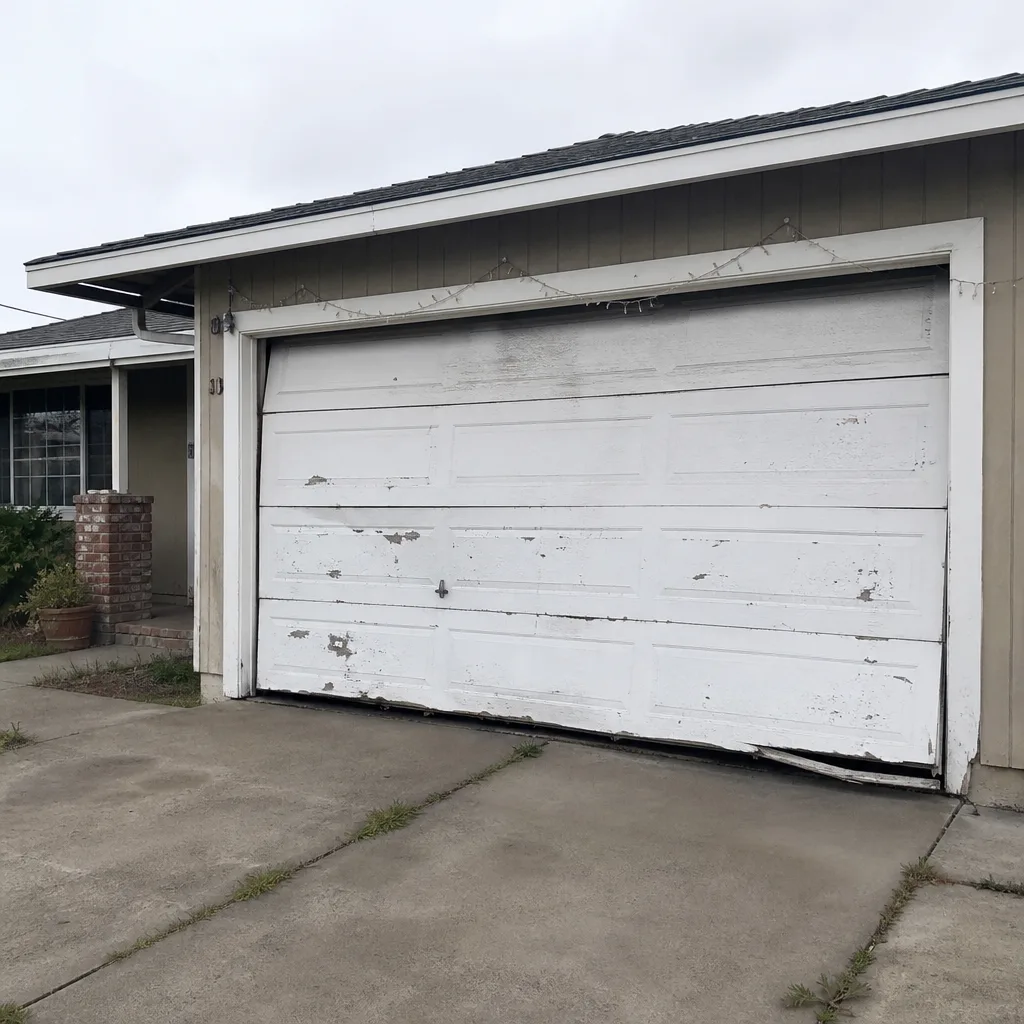 Before
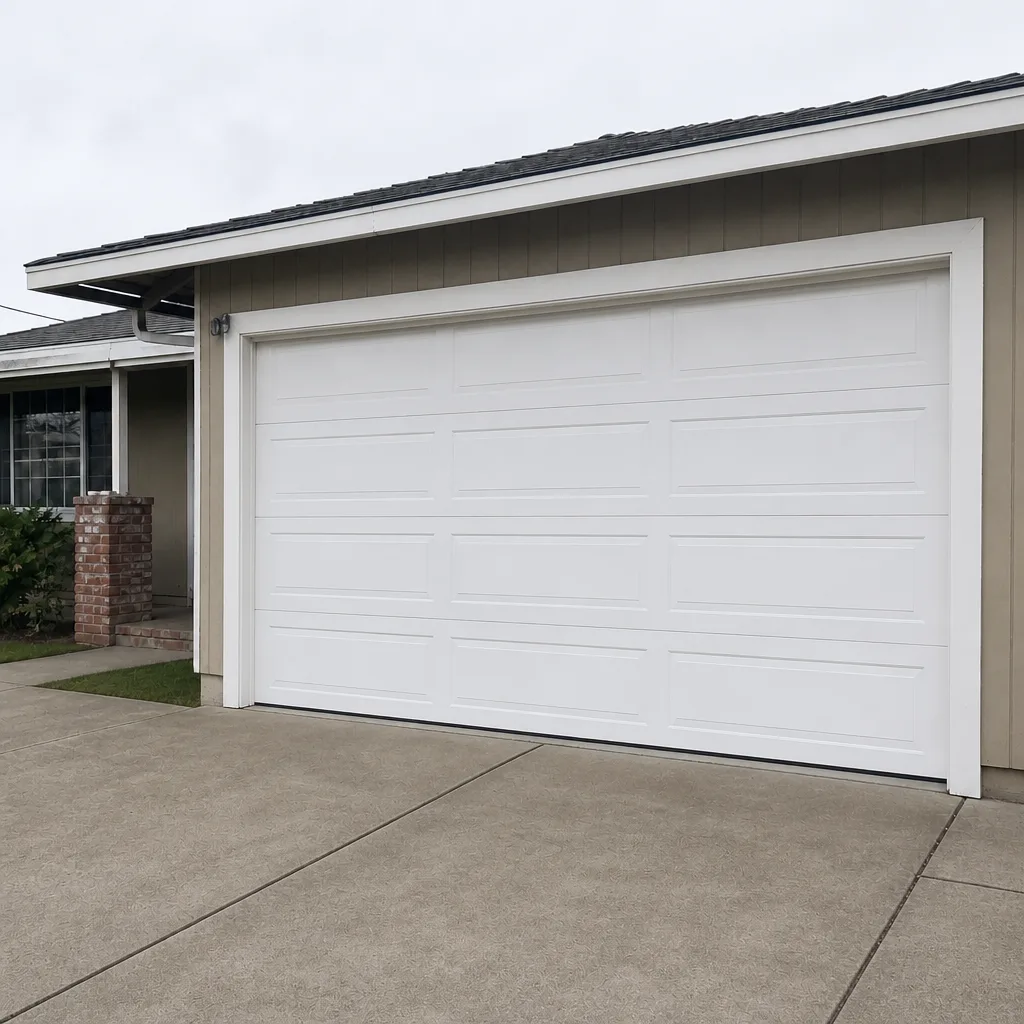 After
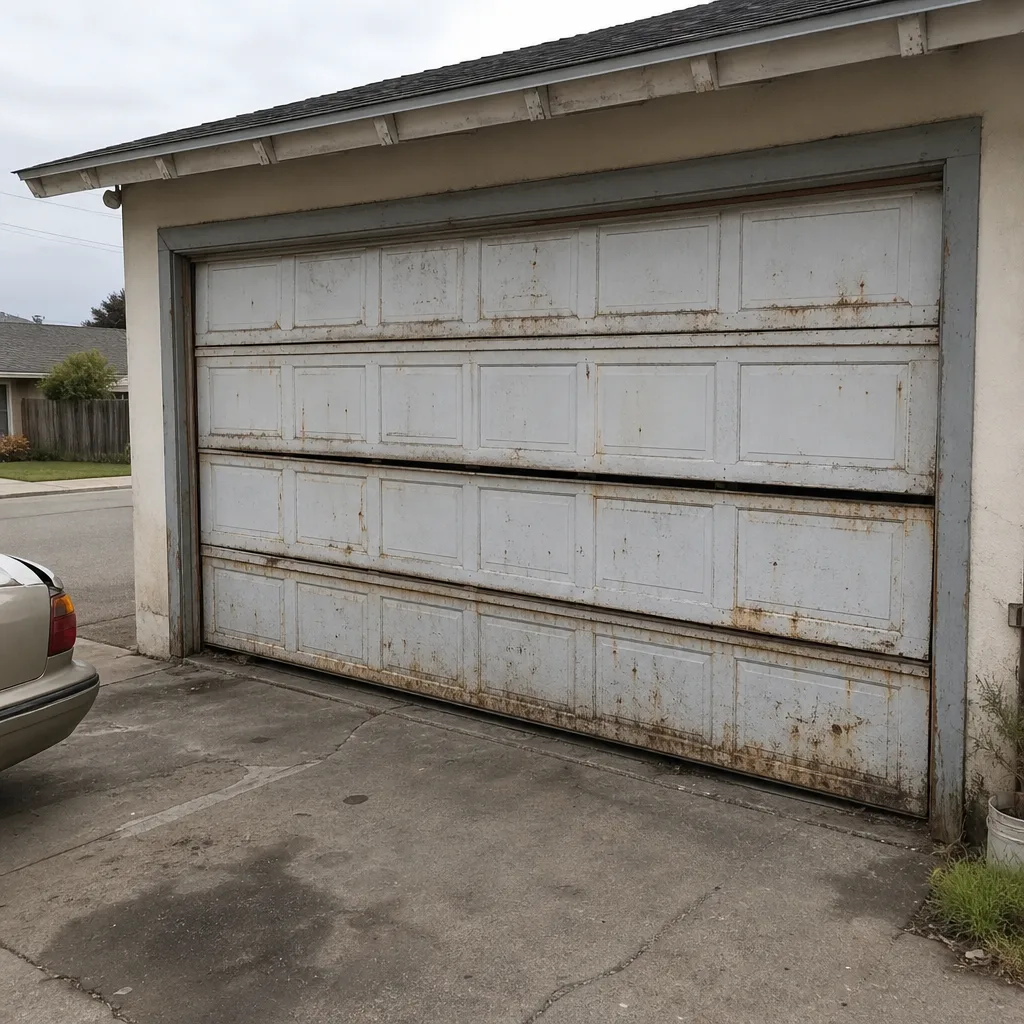 Before
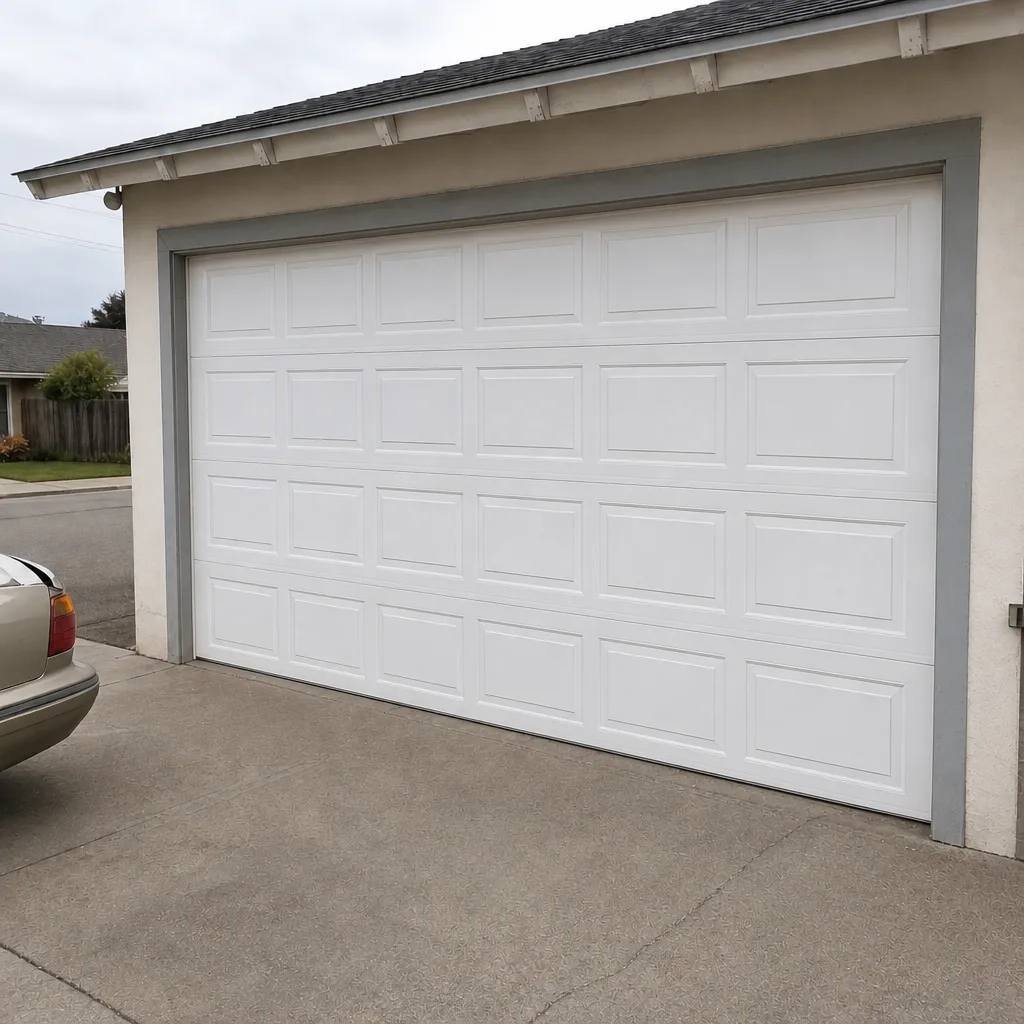 After
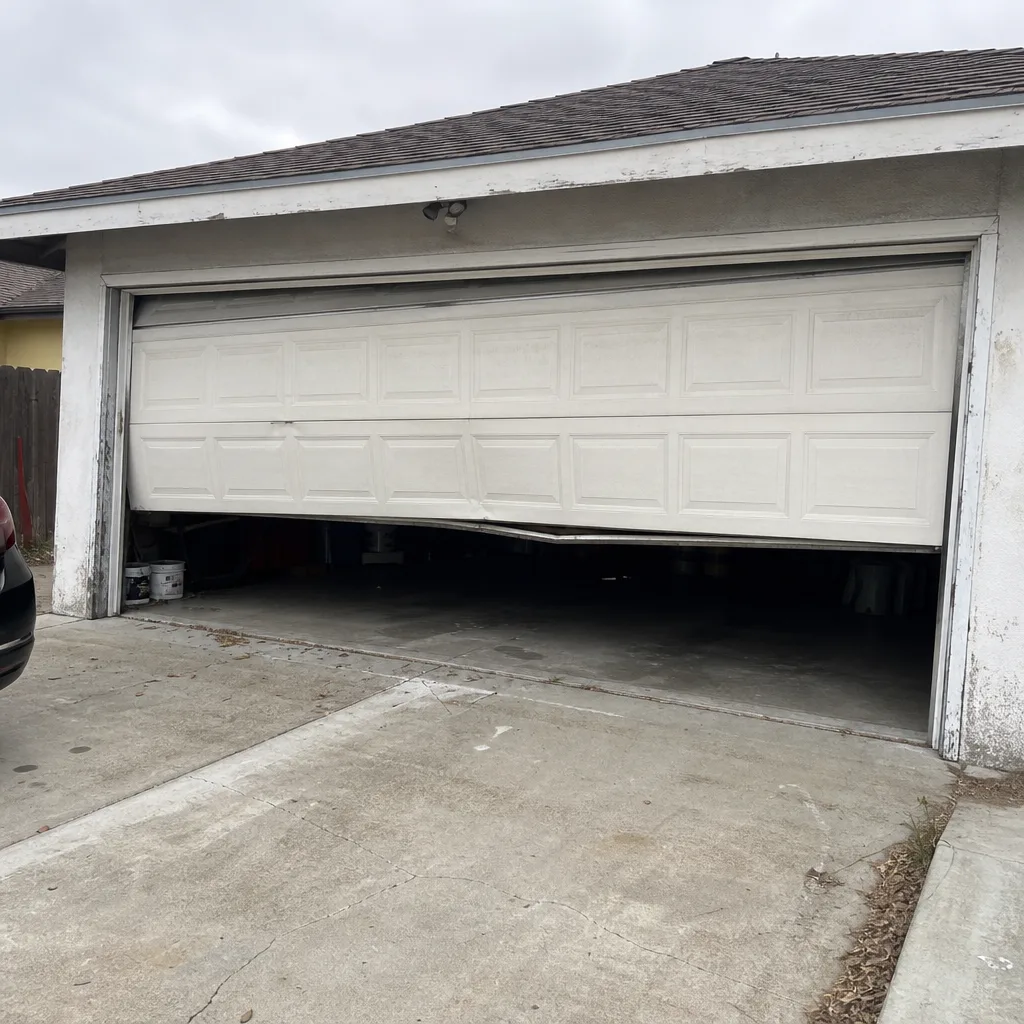 Before
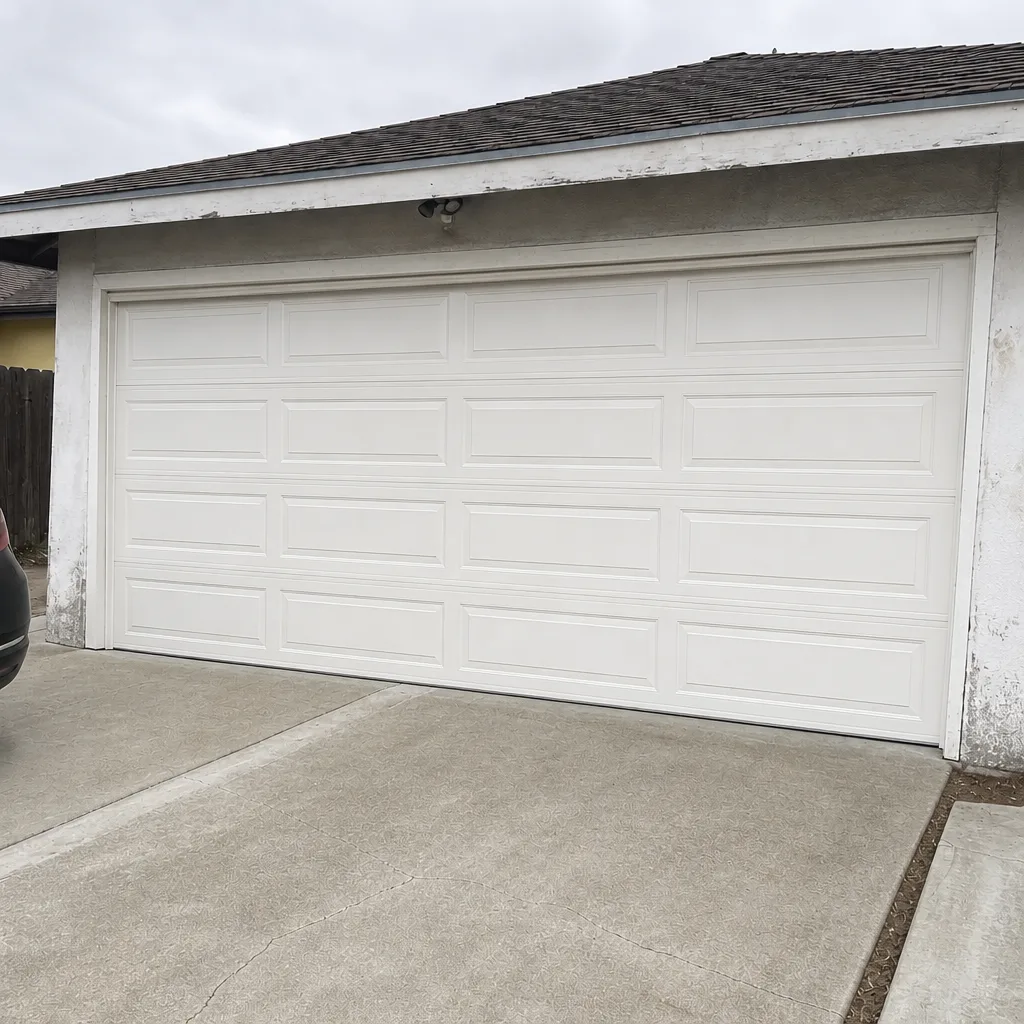 After
When to Call a Professional
Call a professional if you hear a loud bang from above the door and the door won’t lift. That’s a spring failure, and running the opener on a broken spring can damage the opener motor in the process. Call if the door is crooked, if you see a cable that’s off its drum or is visibly frayed, or if a track has pulled away from the wall. Call if you’ve tested the sensors, cleaned them, realigned them, and the door still reverses. And call if you’ve reached a point where you’re not sure whether what you’re looking at is safe to touch.
For the rest, an annual check is a reasonable habit. Our technicians have up to 15 years of experience diagnosing door and opener systems by brand. Halo Garage Door Repair offers free estimates in Santa Maria. Call (866) 361-7506 and we’ll help you identify whether you’re looking at a repair, a sensor fix, or something that needs a new component. The written estimate sets the final price, and you’ll see it before any work starts.
Frequently Asked Questions
The most common cause is a safety sensor issue: the photo-eyes near the floor are misaligned, dirty, or being washed out by direct sun. The opener interprets the broken beam as an obstruction and reverses the door. Check the sensor lenses first, then their alignment and indicator lights. If both sensors show a solid light and the door still reverses, the opener’s travel limits may need resetting. Call (866) 361-7506 for an exact quote on a diagnosis, and estimates are free.
Repair costs depend entirely on which component failed, and the written estimate sets the final price. Sensor fixes and hinge or roller work are on the lower end because they’re small parts with a quick labor time. Spring replacement, opener gear replacement, and track realignment sit higher because of the labor involved. A torsion spring is quoted per spring; if your door uses two matched torsion springs, they’re usually replaced as a pair, which roughly doubles that part of the estimate. Call (866) 361-7506 for a free estimate on your exact problem.
In many cases, yes. We answer 24/7, and we run fast dispatch from 7am to 7pm, Sunday through Friday. A call that comes in outside dispatch hours is booked into the next opening, Sunday through Friday, 7am to 7pm. A stuck door is a genuinely urgent issue for most Santa Maria homeowners because the garage is often the primary entry. Call (866) 361-7506 and describe the symptom; that helps us route the right response.
No, not once the estimate is agreed. The written estimate is what you pay for the job described. If we find something additional once we’re on site, we’ll show you what it is and quote it separately before touching it. You decide whether to proceed. Call (866) 361-7506 to get an estimate started.
Our technicians are experienced and state-licensed, and we work on the major door and opener brands including Genie, Clopay, Amarr, Wayne Dalton, LiftMaster, and Chamberlain. The work is completed with a safety-first finish: every job ends with a door that’s balanced, force-tested, and operating as it should. Call (866) 361-7506 to book a free estimate.
Because blink codes aren’t interchangeable across brands, even when the openers were designed by the same parent company. The same number of flashes can mean “obstruction detected” on one, “sensor malfunction” on another, and “motor overload” on a third. The exact make and model matters. Note the label on the opener’s powerhead and the door’s end stile, then call (866) 361-7506 and we can narrow down the actual cause.
Watch for the warning signs more than the failure itself. A torsion spring that’s losing tension usually shows a slight gap in the coil, a door that feels heavier than it used to be, or a door that won’t stay halfway open when you test it manually. Those are early warnings. A spring that snaps makes a loud bang and the door won’t lift. Stop using the door at the first sign and call (866) 361-7506. Estimates are free.
The Bottom Line
The single most useful thing you can do for your garage door is to stop treating symptoms as problems. A door that reverses isn’t a sensor problem until you’ve confirmed the sensors are the reason. A door that’s noisy isn’t a lubrication problem until you’ve ruled out worn rollers and loose hinges. Trace the failure back through the four systems, and you’ll fix the right thing on the first attempt. Santa Maria’s mild but swingy climate gives you time to notice small problems before they become expensive ones, so use it. Watch the door, listen to it, and check it twice a year. For anything involving springs, cables, or a door that’s stopped moving entirely, call the number below. Free estimates in Santa Maria, written before work starts, and a technician who diagnoses rather than guesses.
Call (866) 361-7506. We answer 24/7. Fast dispatch from 7am to 7pm, Sunday through Friday.
Written by the team at Halo Garage Door Repair.