
Last updated November 15, 2026
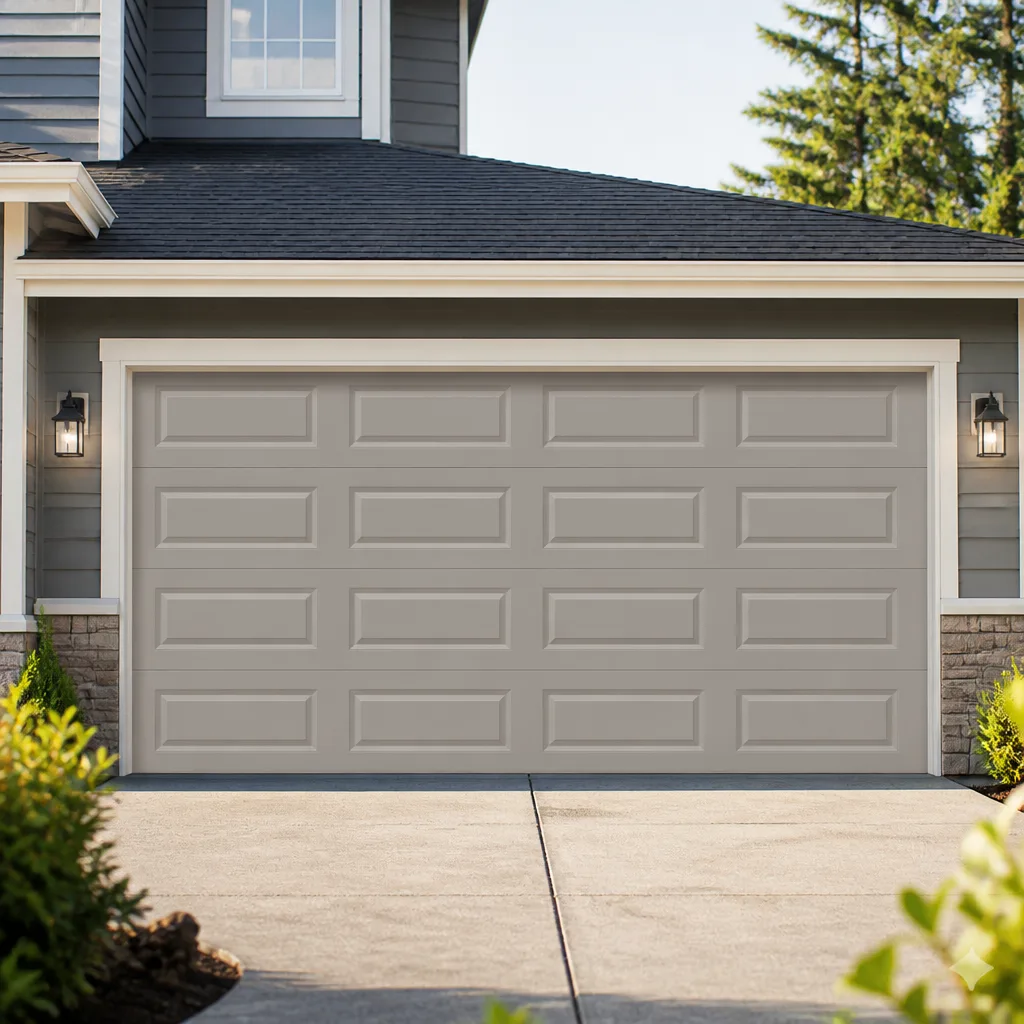 Raised-panel steel
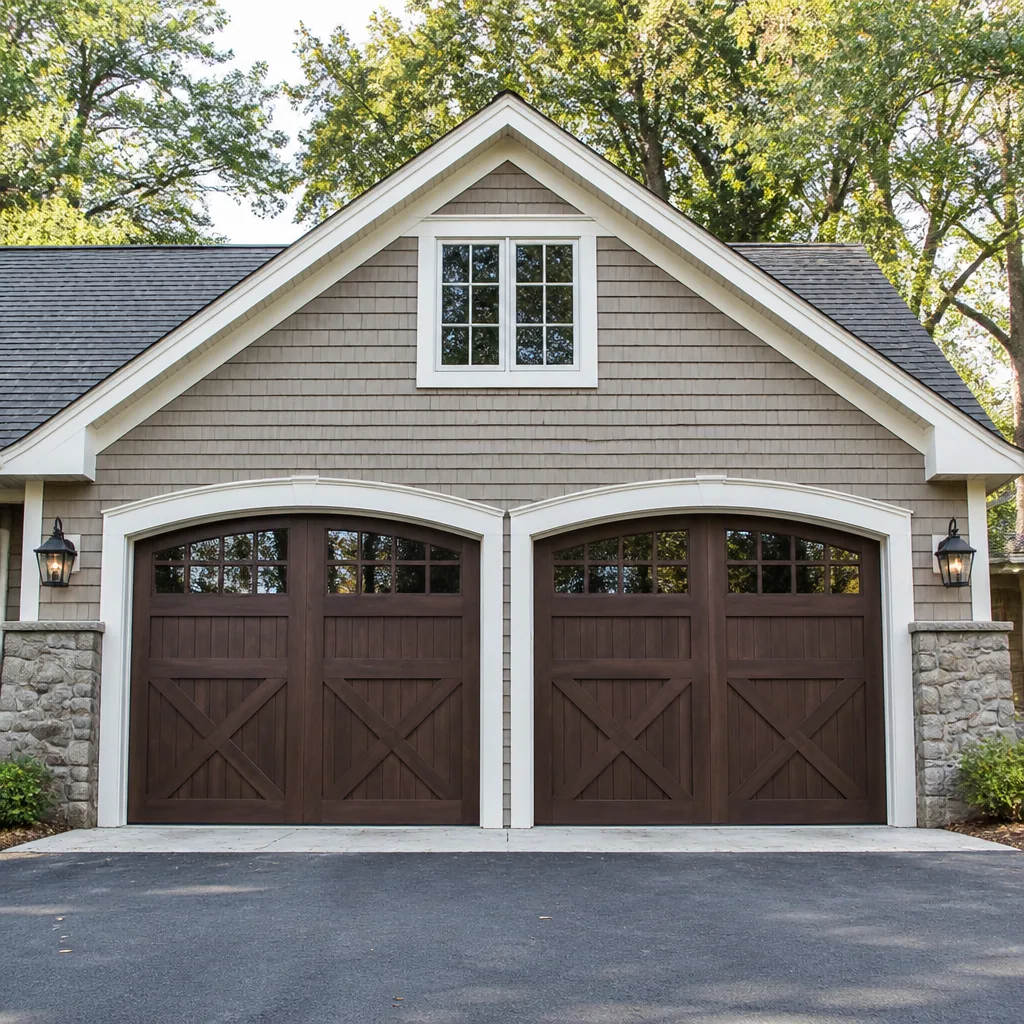 Carriage house
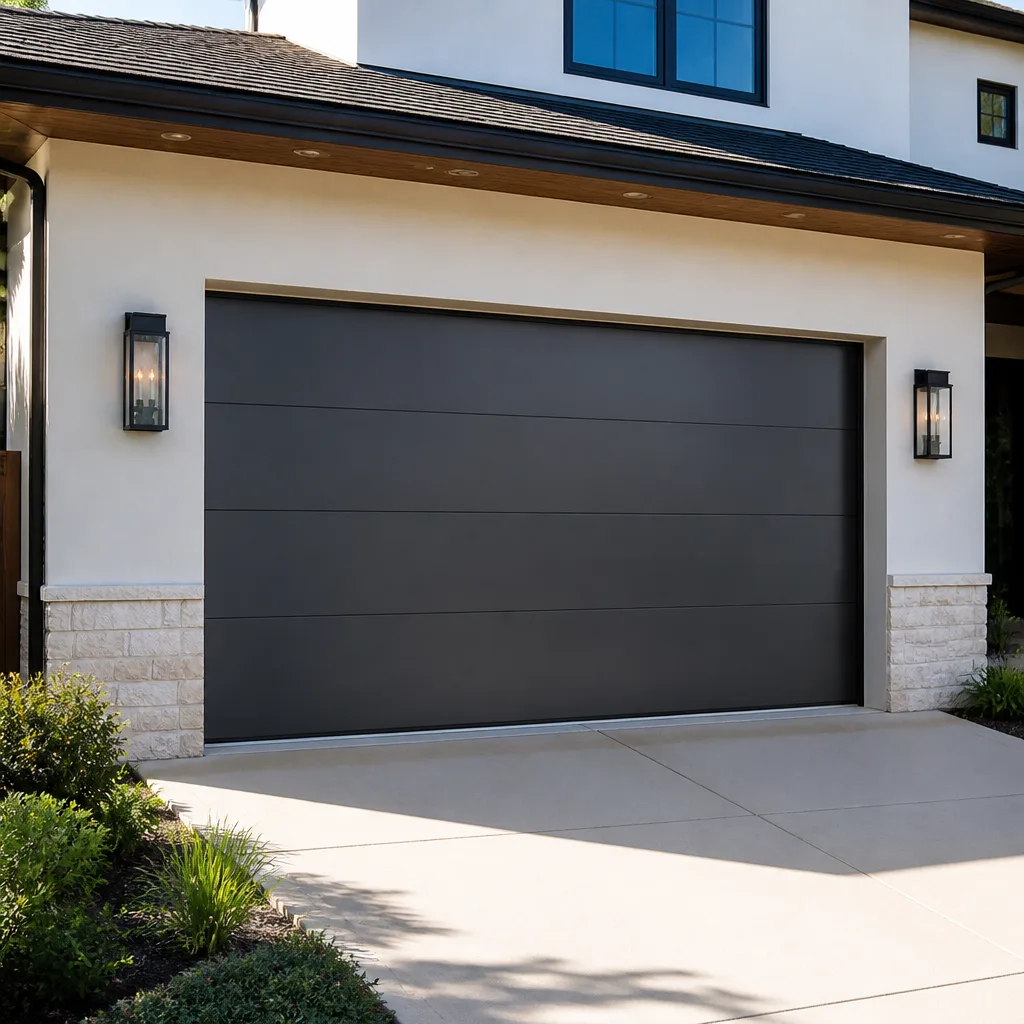 Modern flush
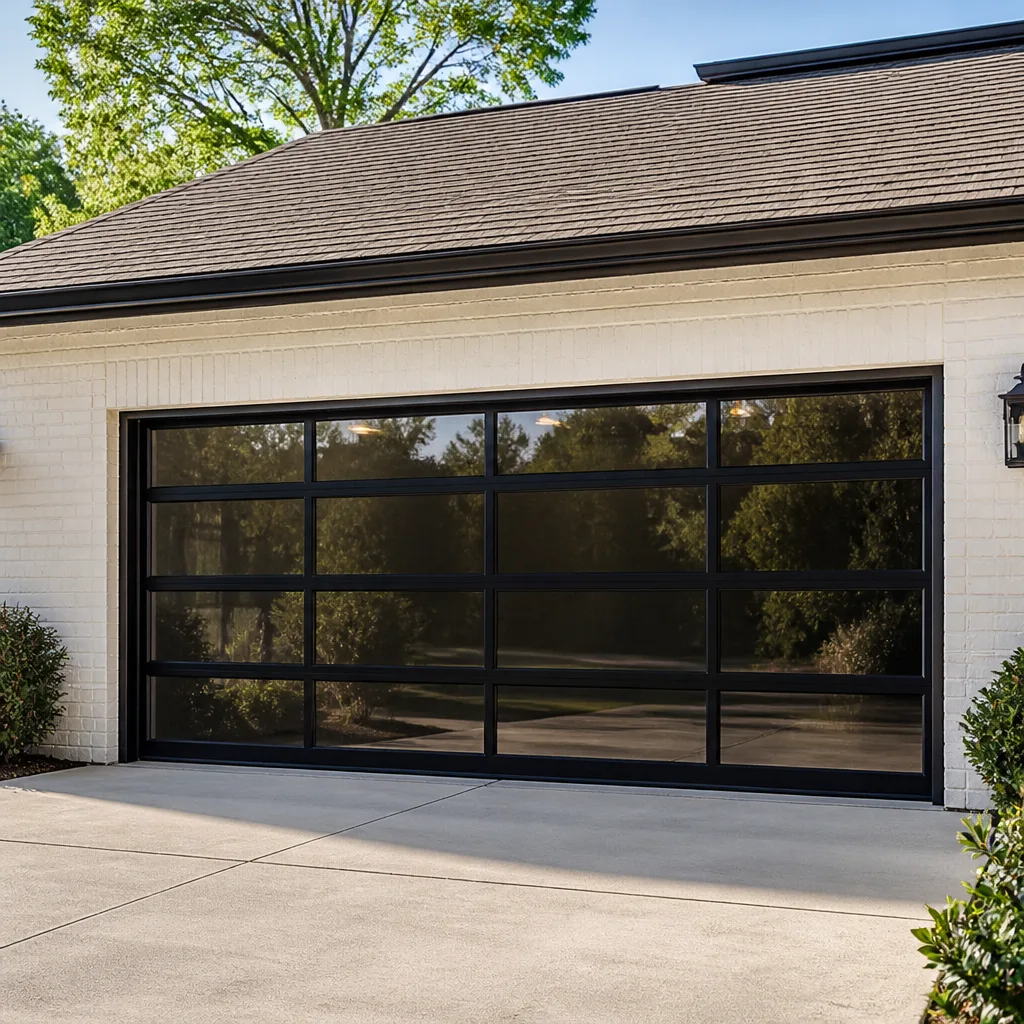 Full-view glass
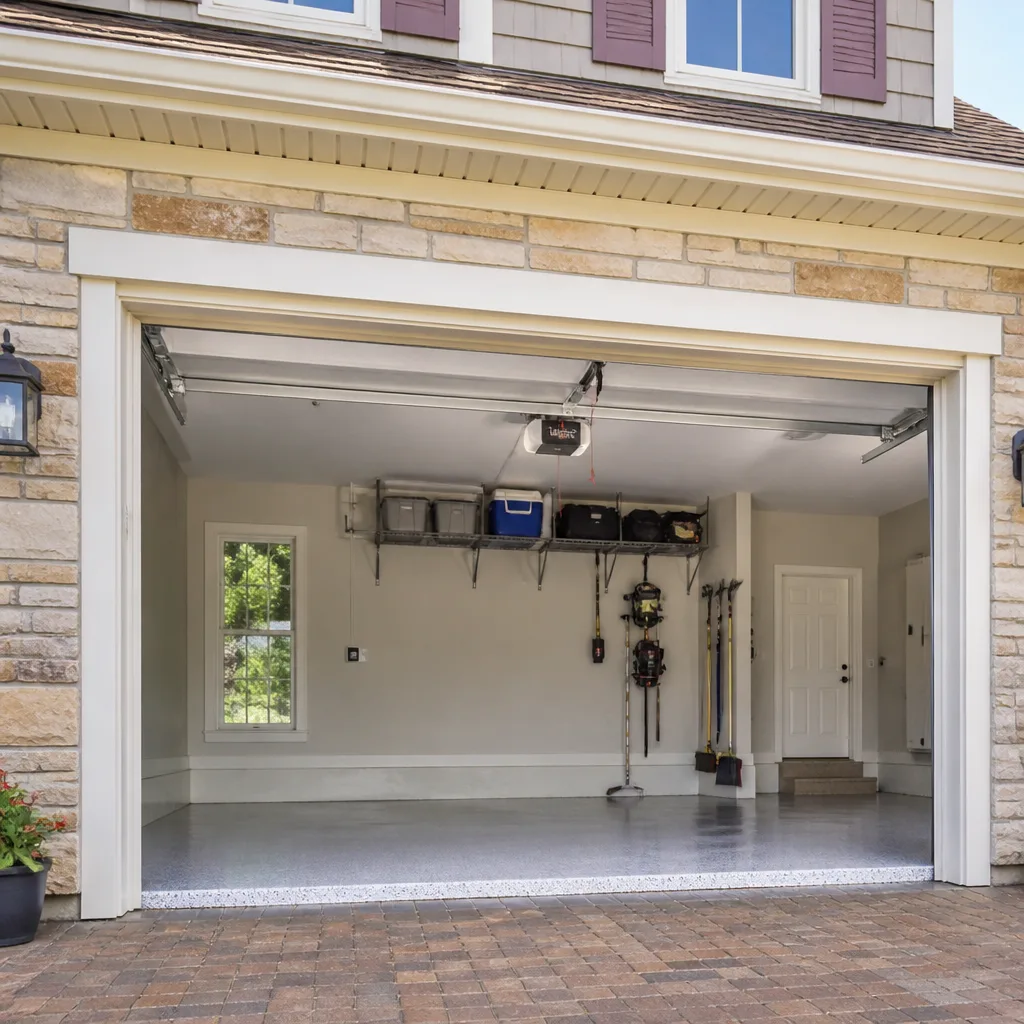 LiftMaster openers
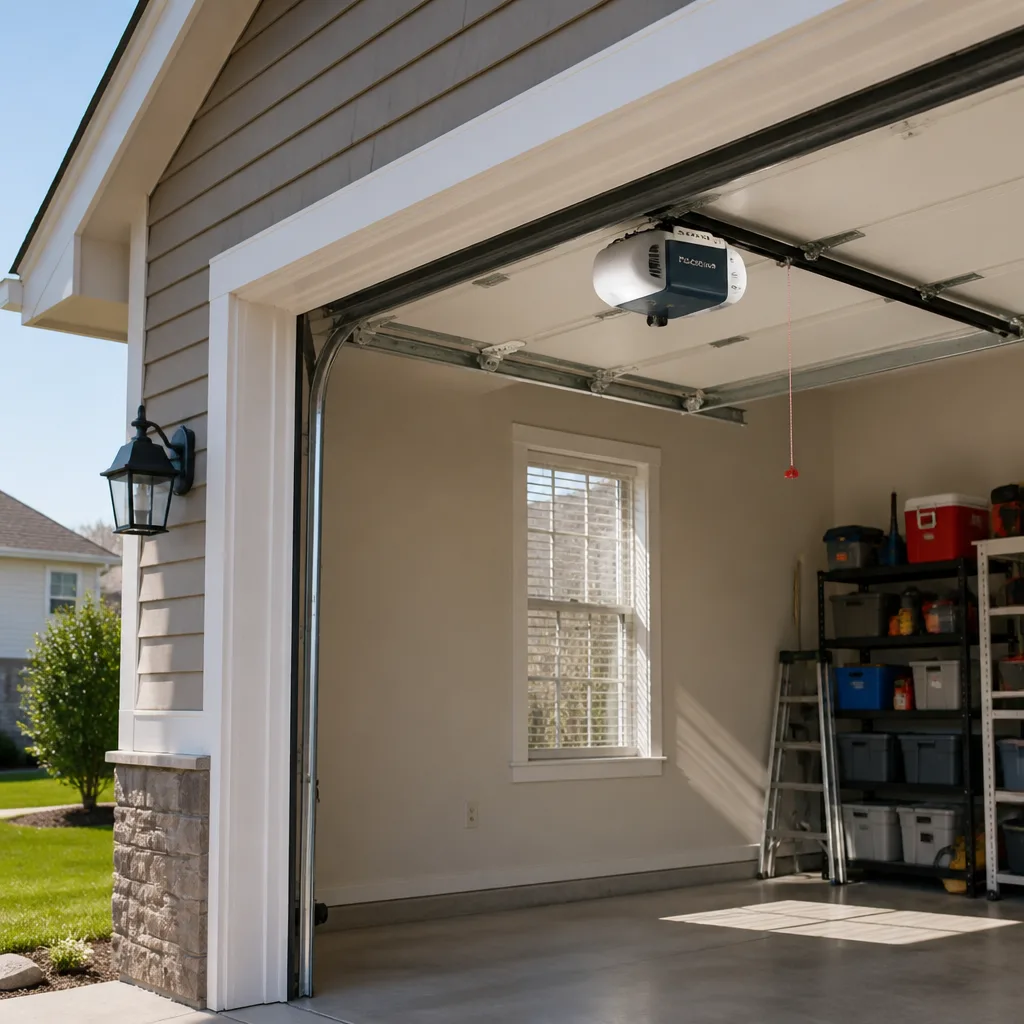 Chamberlain openers
Full 25-point door and opener safety check with every visit - springs, cables, rollers, tracks, and your LiftMaster or Chamberlain opener included
You get a price before we start. It does not change when the pro arrives.
Get your free estimateGarage Door Repair Maintenance Schedule: What to Do and When
Most homeowners treat garage door maintenance like an annual oil change: lube the moving parts once a year and forget about it. That approach is how a torsion spring snaps without warning in year six. Every part on your door has a measurable lifespan, and once you know the numbers, you can predict failures instead of reacting to them. This guide builds a maintenance schedule around how components actually wear out, from spring cycle life to roller material to opener drive wear. It’s written from Santa Maria, where mild winters and dry summers create their own quirks for wood doors and weatherstripping, and where the schedule you need looks a little different than it would in a harsher climate. By the end, you’ll know exactly what to check monthly, what to book annually, and what to log so the next technician has real information to work with.
Quick Answer
The short version: check your garage door monthly (balance, noise, safety reverse), lubricate springs, hinges, and rollers every six months, and book a professional inspection once a year. Replace steel rollers, nylon rollers, and weatherstripping on their own wear timelines (steel rollers roughly every 4-5 years, weatherstripping every 3-5, nylon rollers up to 10), and start budgeting for spring replacement around year six or seven, because a spring rated for 10,000 cycles wears out on a schedule you can actually calculate.
Styles & brands we work with
- Raised-panel steel
- Carriage house
- Modern flush
- Full-view glass
- LiftMaster openers
- Chamberlain openers
Table of Contents
- The component-lifespan calendar
- Monthly owner tasks (15 minutes)
- The annual professional inspection
- Santa Maria climate: what the weather does to your door
- Pre-summer and pre-winter checks
- How to log maintenance so you can predict failures
- Safety limits: what never to do yourself
- Repair or replace? Reading the schedule
The Component-Lifespan Calendar
A torsion spring is rated for a specific number of open-and-close cycles, most commonly 10,000. The average household opens and closes the door around 1,500 times a year. Divide one by the other and you get roughly six to seven years of normal use before a spring is on borrowed time. That figure is the backbone of any real maintenance schedule: a spring doesn’t care how old your door is, only how many cycles it has absorbed.
Cables are the most overlooked part in the entire system. They do the same cycle work as the spring and typically wear out on the same timeline. A cable that frays or stretches is a serious safety item, and a snapped cable is often what homeowners describe as “the door came down hard.”
- Torsion and extension springs: approximately 6-8 years of typical residential use, or 10,000 cycles, whichever comes first. Replace both springs on a two-spring door together – they’ve done the same work.
- Cables: same cycle life as the springs. Inspect annually; replace at the first sign of fraying or slack.
- Steel rollers: roughly 4-5 years before they get noisy and flat-spotted. Nylon rollers run quieter and last closer to 10 years.
- Hinges and bearings: generally 6-10 years with lubrication; they wear faster on doors that open many times a day.
- Weatherstripping and bottom seal: 3-5 years before it compresses, hardens, or tears.
- Opener drive belt or chain: chains last well over a decade but stretch and need periodic tension checks. Belts on quiet openers wear differently and should be inspected for fraying during any service visit. Screw drives have their own wear pattern in the carriage.
Write this calendar down. When you know a spring is six years in and a cable is still original, an annual visit is a planning tool, not a panic call.
Monthly Owner Tasks (15 Minutes)
These are the things you can safely check yourself each month, and each one comes with a clear “what you’re looking for” so you’re not just guessing at parts under a glare of dust.
- Balance test. Disconnect the opener (most have a release cord or lever). Lift the door halfway and let go. A balanced door stays put. One that drifts down or slams suggests a spring or cable losing tension – stop using it and get it looked at.
- Safety reverse test. With the door closing, wave an object in front of the photo-eye sensors. The door should reverse. If it doesn’t, the openers on LiftMaster, Chamberlain, Genie, and Craftsman follow the same logic: something is interfering with the beam or the opener’s force setting. Book a diagnostic.
- Listen. Open and close the door. You’re listening for grinding, squealing, popping, or a rattle that wasn’t there last month. New noises are the earliest sign of a worn roller or a failing hinge.
- Look at the cables. Inspect the cables that run alongside the door. Frayed strands, kinks, or cables that look loose are a “call now” item, not next month.
- Check the seal. Look at the bottom of the closed door. Light showing through means the bottom seal has compressed or torn and needs replacing.
Fifteen minutes once a month is what keeps a five-dollar problem from becoming a spring replacement. It also gives you a running sense of the door’s behavior, which matters more than any single test.
The Annual Professional Inspection
Once a year, an inspection from someone who works on garage doors every day is worth the time. This is the deeper look at the parts that quietly wear: the torsion spring’s coils, the cable drums, the opener’s force and travel limits, and the overall balance, which is what every repair job ultimately comes down to.
What a good annual visit covers:
- Spring inspection: checking for gaps, rust, or a coil that’s starting to fatigue. A technician can often see a spring on the way out before it breaks.
- Cable and drum check: looking for fraying, proper spooling, and correct tension.
- Force and travel-limit check on the opener: openers drift over time. The door may seem to work fine while the safety settings have quietly gotten looser.
- Roller and hinge assessment: which rollers are worn, which hinges are loose.
- Balance and full-cycle test: the final word on whether the door is doing what it should.
If you want the deep repair side of that, the garage door repair service covers exactly this kind of diagnostic visit. And if the inspector flags the opener electronics, that’s a separate specialty – garage door opener repair is a good place to start. Opener-repair work is its own skill set; not every garage door company does it well, and treating an opener as “replace it and move on” is how a door with years of life left gets thrown away. Halo Garage Door Repair services the major brands, including Genie, Clopay, Amarr, and Wayne Dalton, so the diagnostic isn’t limited by what brand happens to be on your door.
Santa Maria Climate: What the Weather Does to Your Door
Santa Maria sits in a climate that’s kinder to garage doors than most. Winters are mild, the air is dry through summer, and the extreme temperature swings that punish door hardware elsewhere simply aren’t part of the picture here. That’s good news for spring life – a spring rated for 10,000 cycles here tends to reach its full cycle count without the added stress of freezing and thawing.
The trade-off is the seasonality of wood. A wood door – common on Clopay and Amarr installations we see around Santa Maria – absorbs and releases moisture with the seasons. In the dry summer months, the wood shrinks slightly and you may notice small gaps at panel joints. In the cooler, damper months, it swells. Neither is a disaster, but it means weatherstripping compression and panel fit are things worth checking twice a year rather than once. A wood door that dries out and is never sealed or checked will eventually show splitting at the joints.
What about humidity? Santa Maria’s air gets heavier in the cool months, and that does affect the bottom seal, which can harden or compress. If you notice daylight under a closed door in winter that you didn’t see in summer, that’s the seal doing its job of flexing – and wearing out a little faster than it would in a truly dry climate.
Latex-based lubricants and greases do fine here. Heavy oils that thicken in cold weather are usually overkill for our temperature range. A clean, dry lubricant applied every six months is what the schedule calls for. If you’re near the Vandenberg AFB side of the county, the wind is a variable worth noting – airborne grit that works into the tracks and hinges is the fastest way to accelerate wear, so track-cleaning deserves a spot in your monthly routine there.
Pre-Summer and Pre-Winter Checks
Two dates on the calendar should be maintenance checkpoints: the week before summer’s heat, and the week before the cooler months settle in. Neither is dramatic in Santa Maria, but both catch things early.
Pre-summer
- Prolonged dry heat and wood gaps: check panel joints on a wood door for separation. A gap that’s opening wider each summer is worth resealing.
- Opener sensitivity drift: as the air dries, doors can get slightly lighter or heavier on their balance. Retest the safety reverse – the limit-setting on most openers holds up, but a check costs nothing.
- Bottom seal condition: dry air hardens the seal. Look for cracks and compression.
Pre-winter
- Weatherstripping compression: the cooler, damper months are when you’ll feel a draft or see light under the door. Replace the bottom seal before it lets cooling air in.
- Lubrication: the six-month lubrication cycle often lands right here. Springs, hinges, and rollers get a fresh coat before the busy season.
- Cable inspection: a cable that’s been slowly fraying shows up under inspection. Catch it before it fails.
If a check turns up something on the spring or cable side, don’t let it sit until spring. The Halo Garage Door Repair team can look at it now and give you a free estimate before the part reaches the end of its service life.
How to Log Maintenance So You Can Predict Failures
This is the single most valuable habit in the whole schedule: keep a maintenance log. It’s not about paperwork for paperwork’s sake. It’s about turning your door into something you can predict instead of something you react to.
What to log, in a simple notebook or a note on your phone:
- Date of each check. Monthly balance and safety tests count.
- What you did: lubricated springs, replaced a roller, cleaned the tracks.
- What you noticed: a new noise, a slightly slower door, a small gap in a panel joint.
- Any professional visit: what was inspected, what was found, what was replaced.
Why this matters: when you book a repair, the technician can see the whole history in a minute. “The door has been opening about 1,500 times a year for six years, the springs are original, and the left roller was replaced last spring” tells a trained eye exactly what to check first. It’s the difference between a guess and a diagnosis. For a property manager handling several units – and varied door and opener makes – a simple log per door is worth its weight in avoided emergency calls.
The schedule also does something a call-tracking system can’t: it tells you when a spring is close to its 10,000-cycle mark. That’s when you start planning a replacement, rather than discovering it in the middle of the night. Our technicians have up to 15 years of experience, and that experience shows up in exactly this kind of prediction.
Safety Limits: What Never to Do Yourself
This is where the guide gets firm. Some parts of this system are fine to inspect and lubricate. Others are genuinely dangerous, and the danger isn’t theoretical. Torsion springs and cables are under extreme tension at all times. A spring or a cable under load can release suddenly, and it can cause serious injury. Never attempt to adjust, remove, or replace a spring or cable yourself. Repairs and replacement are jobs for a trained technician with the right tools.
What you can do safely:
- Lubricate springs, hinges, and rollers.
- Clean the tracks (dry or with a gentle cleaner).
- Test balance and safety reverse.
- Inspect for fraying, noise, and gaps.
- Replace the bottom seal and weatherstripping.
What should always go to a technician:
- Spring and cable adjustment or replacement.
- Opener electronics and force-limit setting.
- Roller and hinge replacement when the door needs to come apart.
- Any door that’s off track or out of balance.
We say this plainly because a safe, balanced door is the whole point of maintenance. The job isn’t done until the door operates as intended.
Repair or Replace? Reading the Schedule
After a few years of logging, a pattern emerges. If your door is five years in and the spring, one cable, and a couple of rollers are flagged, repair is clearly the right call. If the door is well past its teens, the panels are tired, and every inspection turns up something new, replacement starts to make sense – not because anyone is pushing it, but because the math shifts.
That’s a decision worth making with a diagnosis, not a sales pitch. The garage door repair page explains how a proper repair assessment works, and if it turns out a new door is the right answer, that’s a separate offering entirely. This is why the three-service split matters: repair, opener repair, and installation each start from a different question, and the answer should follow the actual condition of the door, not a product line. Halo Garage Door Repair is brand-agnostic; the recommendation comes from what your door needs.
Common Mistakes to Avoid
- Greasing the tracks. Tracks should be clean and dry. Lubricant in the track attracts grit, and in Santa Maria’s windy months that grit acts like sandpaper on the rollers. Clean them, don’t lube them.
- Lubricating the spring with WD-40 and calling it done. WD-40 is a penetrant, not a lasting lubricant. A proper dry lubricant applied every six months is what actually protects a spring.
- Waiting for a noise to get worse. A noise is the door telling you something. Ignoring it through two more seasons is how a small roller problem becomes a spring replacement.
- Skipping the balance test because the door “still works.” A door can open and close while quietly losing balance. The balance test is the only way to know.
- Forgetting the bottom seal until it rains. A worn seal is easy to ignore in dry weather. Replace it on its 3-5 year timeline, not when you notice a draft.
- Replacing one spring on a two-spring door. Both springs have absorbed the same cycles. Replacing one leaves the other to fail on its own shortly after.
- Never logging anything. Without a record, every future technician starts from zero, and you lose the ability to predict the expensive repairs.
See the difference
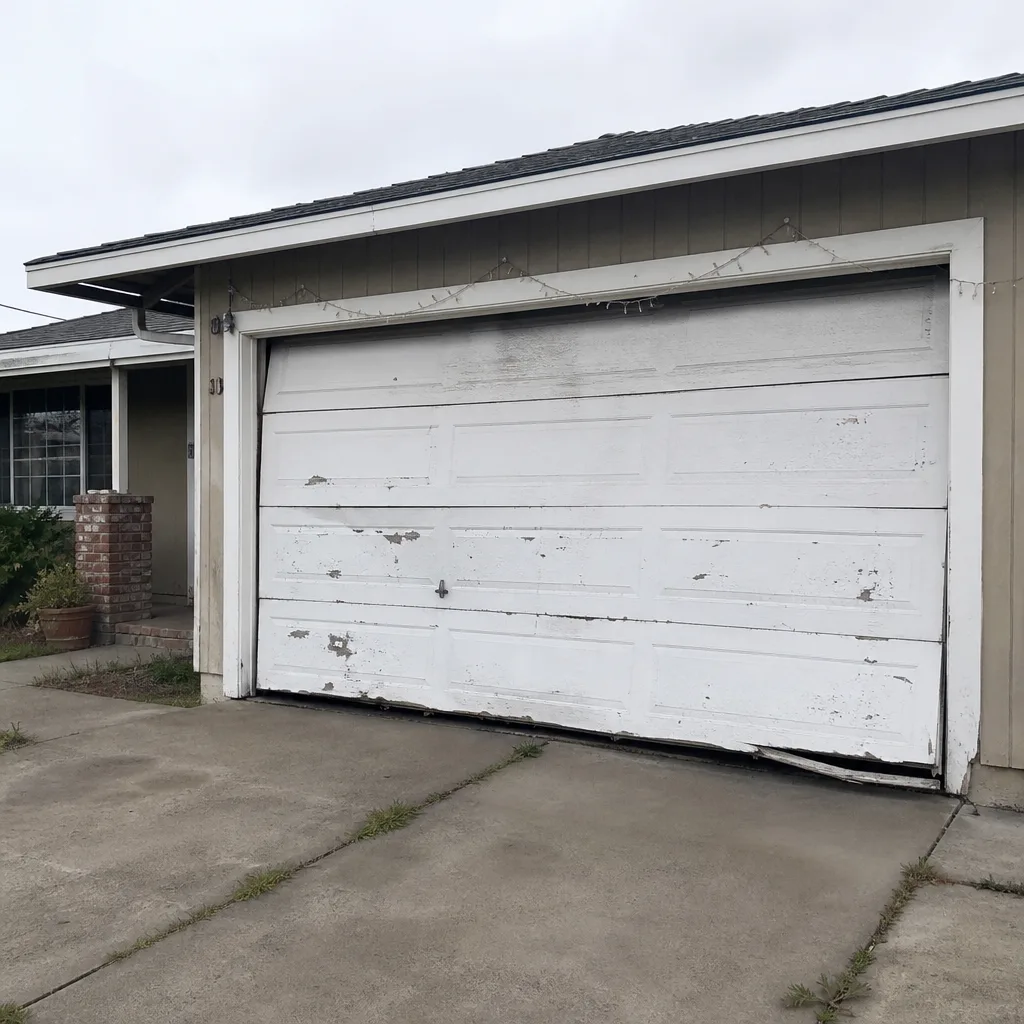 Before
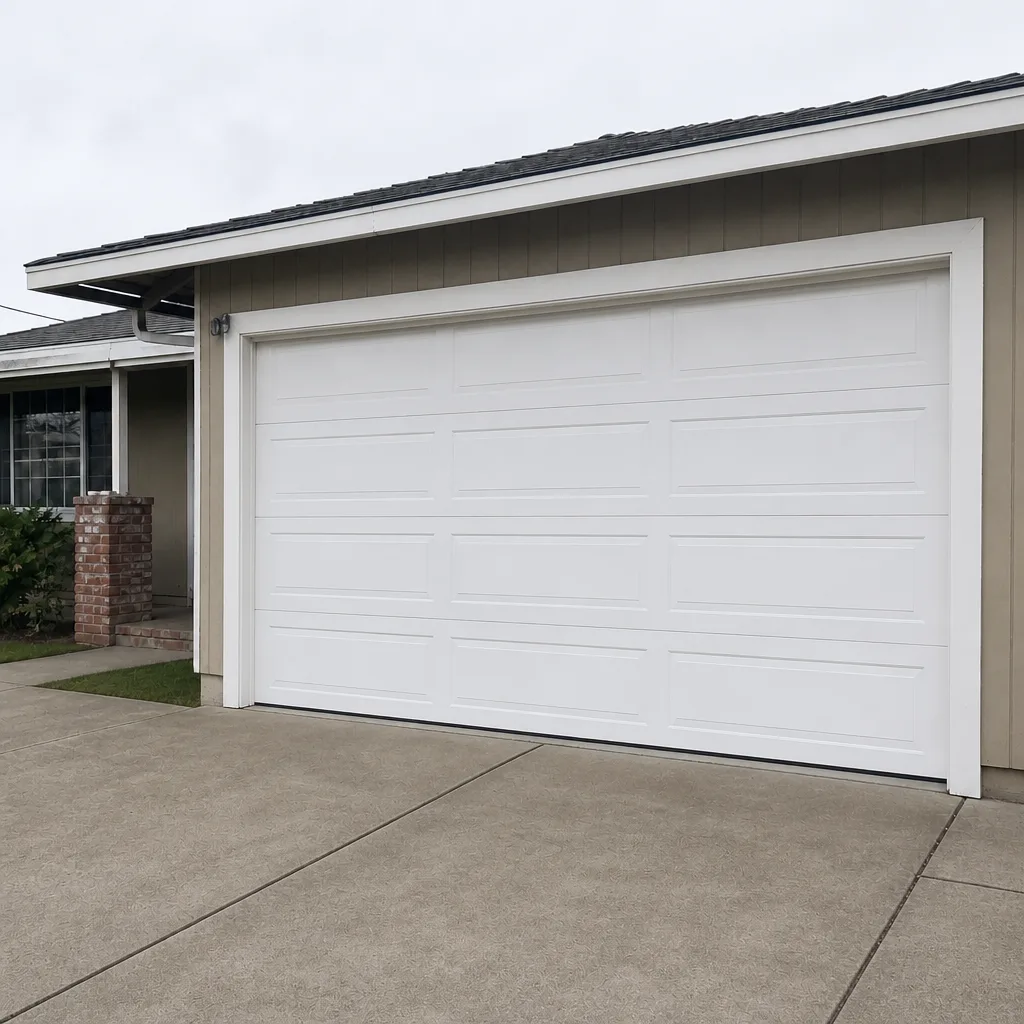 After
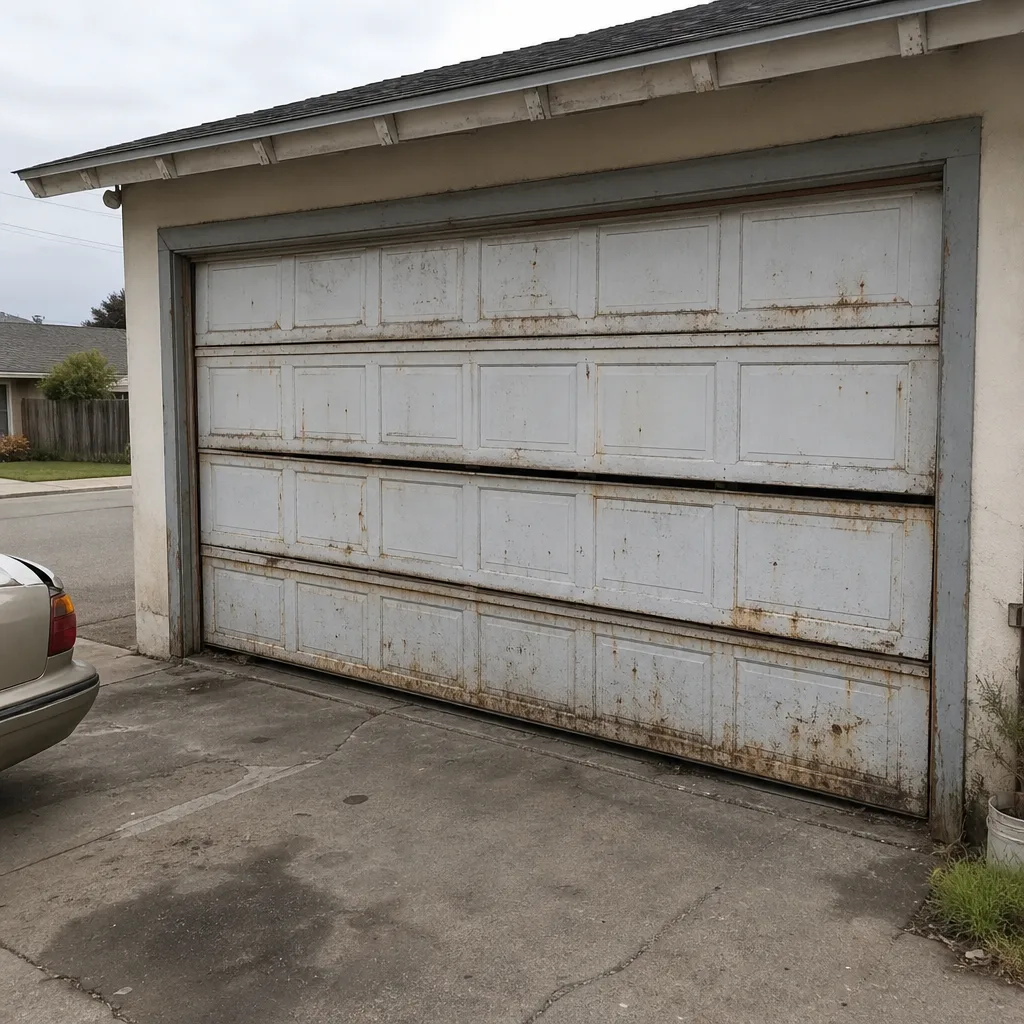 Before
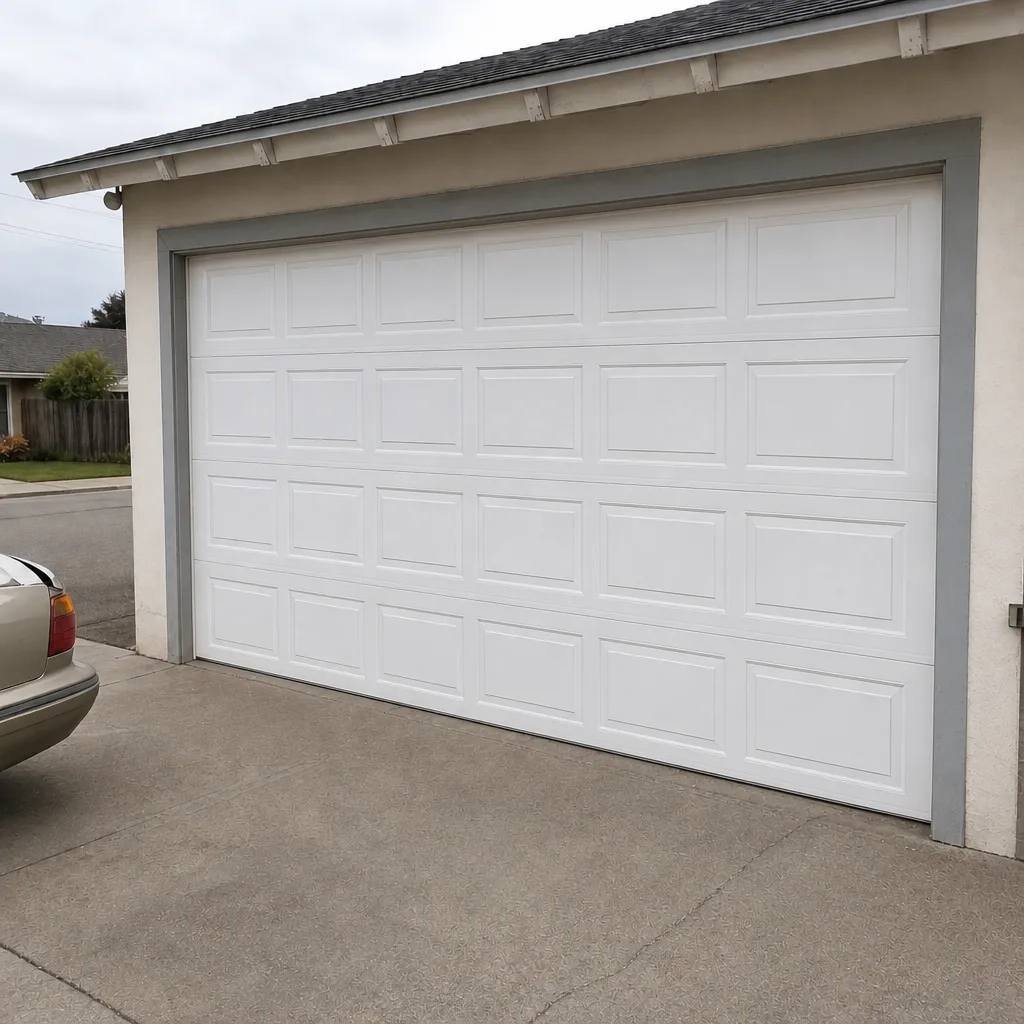 After
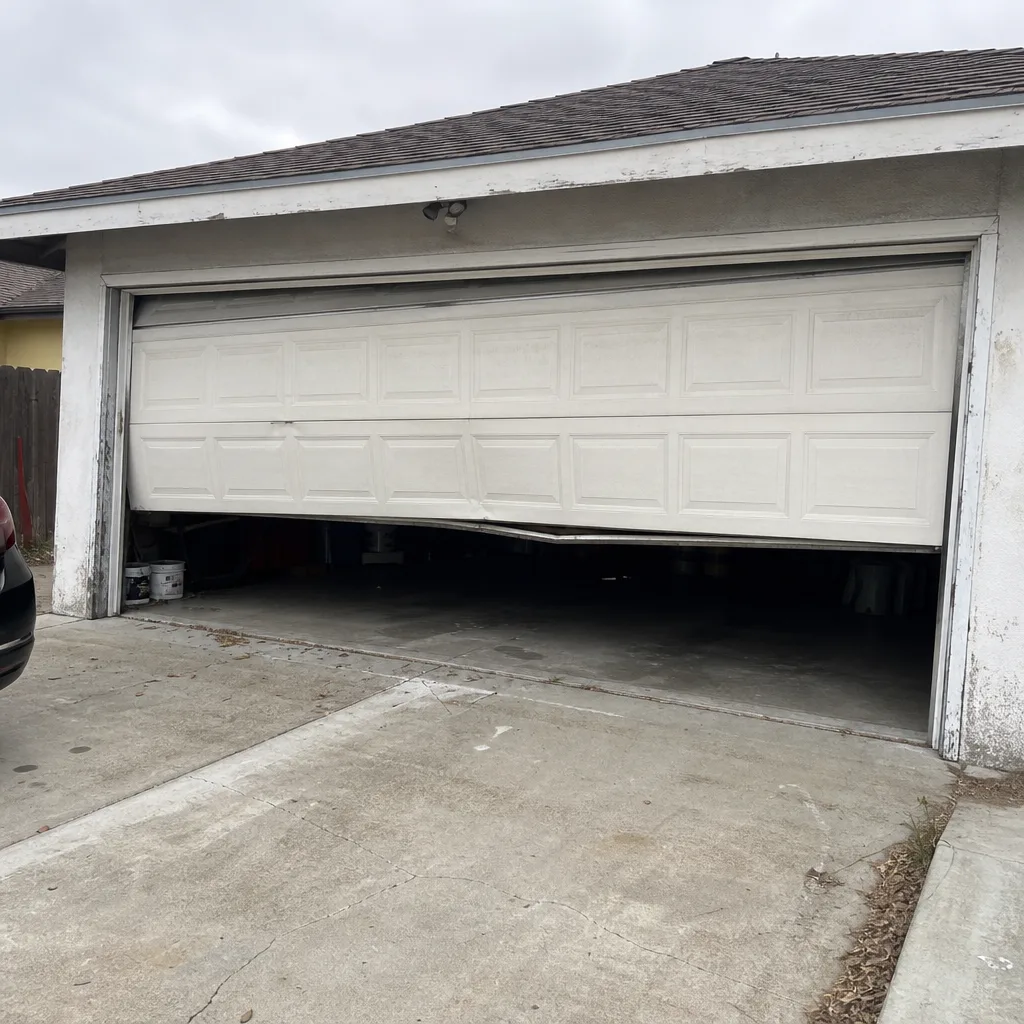 Before
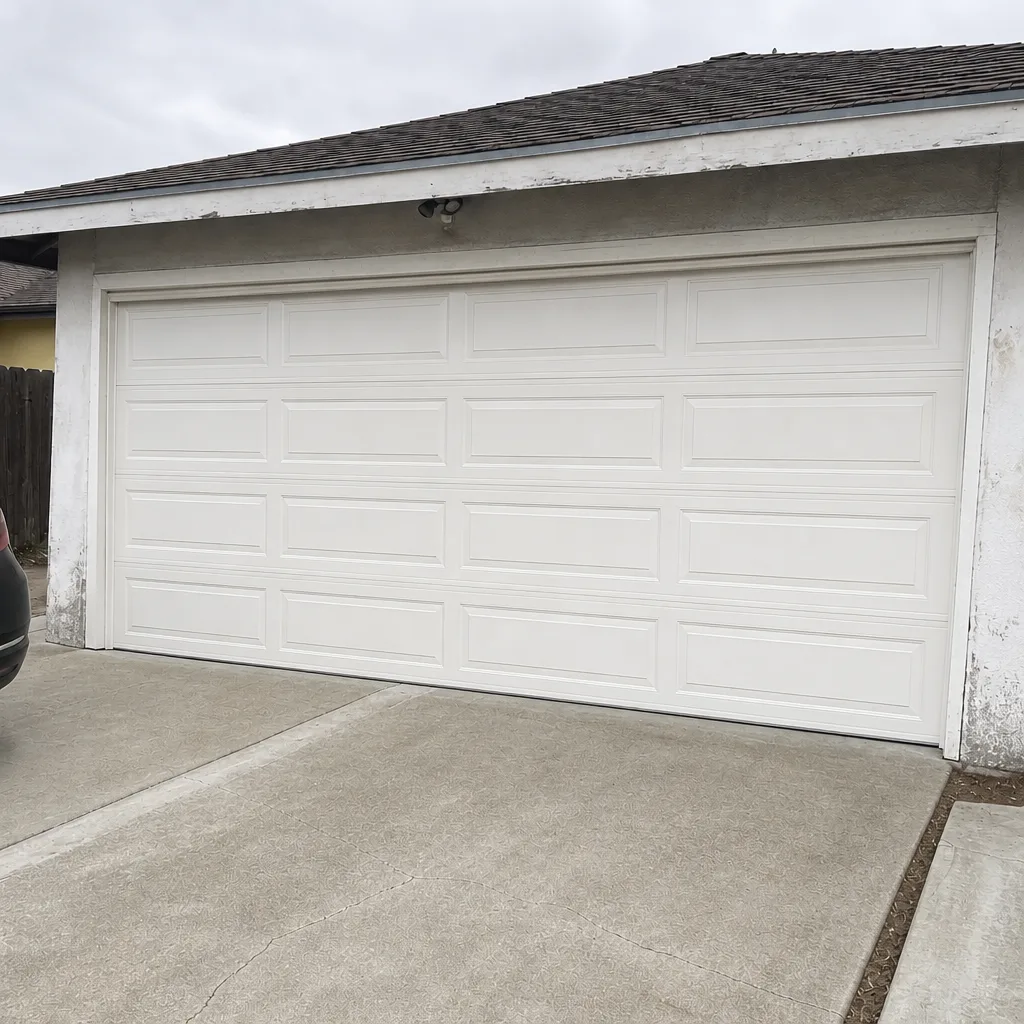 After
When to Call a Professional
Some problems announce themselves quietly and some don’t. Call a professional when a spring is six to eight years old and has never been replaced, when you spot frayed or slack cables, when the door is off balance or roaring, or when the opener’s safety reverse won’t work after a reset. Any door that has been hit or forced is worth an inspection too. Halo Garage Door Repair offers free estimates in Santa Maria – call (866) 361-7506. We answer 24/7, with fast dispatch from 7am to 7pm, Sunday through Friday. We’re closed Saturday. Every repair ends the same way: a door that’s safe, balanced, and working as intended.
Frequently Asked Questions
Once a year for a professional inspection, plus monthly owner checks and lubrication every six months. Santa Maria’s mild climate means springs last closer to their full cycle rating than in more extreme climates, but annual inspections still matter because small parts wear quietly.
No. Torsion springs and cables are under extreme tension and can release without warning, causing serious injury. Leave spring and cable work to a trained technician; keep your own hands to lubrication, cleaning, and inspection.
On a schedule, not on a hunch. A spring rated for 10,000 cycles used about 1,500 times a year is due around six to eight years. A professional inspection can see the warning signs before the spring fails. Call (866) 361-7506 for a free estimate.
Yes. Lubricating springs, hinges, and rollers every six months is the single cheapest way to extend their life and cut noise. Use a proper dry or silicone-based lubricant, and keep the tracks clean and dry.
In Santa Maria, the dry summer air shrinks wood panels slightly and can change how a door balances. That’s normal, but it’s a good reason to retest your safety reverse and check panel joints before the heat settles in.
It depends on what the inspection finds. A door with a flagged spring or cable at five years is clearly a repair. A door past its teens with tired panels and repeated failures may justify replacement. Get a diagnosis first – call (866) 361-7506 for a free estimate.
The Bottom Line
Maintenance for a garage door isn’t a single annual ritual. It’s a schedule built around component lifespan: monthly balance and safety checks, lubrication every six months, an annual professional inspection, and parts replaced on their own wear timelines. Springs and cables are the big-ticket items, and knowing when they’re due lets you plan instead of react. Santa Maria’s mild climate is on your side, but dry summers and damper winters still work on wood doors and seals. Keep a log, keep up the monthly routine, and you’ll be predicting failures instead of discovering them. When it’s time, call (866) 361-7506 for a free estimate.
Written by the team at Halo Garage Door Repair.